

 Preservatives(food)
 Flavors
 Acidulants
 Sweeteners
 Antioxidants
 Colorants(food)
 Nutraceutical Ingredients (food)
 Nutrient Supplements
 Emulsifiers
 Collectors
 Dust Suppressants
 Explosives and Blasting Agents
 Flocculants and Coagulants
 Frothers
 Leaching Agents
 pH Modifiers
 Precious Metal Extraction Agents
 Antioxidants(plastic)
 Colorants (Pigments, Dyes)
 Fillers and Reinforcements
 Flame Retardants
 Monomers
 Plasticizers
 Polymerization Initiators
 Stabilizers (UV, Heat)
 Antifoaming Agents
 Chelating Agents
 Coagulants and Flocculants
 Corrosion Inhibitors
 Disinfectants and Biocides
 Oxidizing Agents
 pH Adjusters
 Scale Inhibitors( water)
 Antioxidants(cosmetic)
 Emollients
 Oils
Oils Carrier Oills
 Essential Oils
 Humectants
 Preservatives
 Surfactants(cosmetic)
 Thickeners
 UV Filters
 Fertilizers
 Soil Conditioners
 Plant Growth Regulators
 Animal Feed Additives
 Biostimulants
 Pesticides (Herbicides, Insecticides, Fungicides)
 Active Pharmaceutical Ingredients (APIs)
 Excipients
 Solvents(pharmaceutical)
 Antibiotics
 Antiseptics and Disinfectants
 Vaccine Adjuvants
 Nutraceutical Ingredients (pharmaceutical)
 Analgesics & Antipyretics
 Analytical Reagents
 Solvents(lab)
 Chromatography Chemicals
 Spectroscopy Reagents
 microbiology-and-cell-culture-reagents
 Molecular Biology Reagents
 Biochemical Reagents
 Inorganic and Organic Standards
 Laboratory Safety Chemicals
 Specialty Laboratory Chemicals(Special Laboratory Equipment)
 Demulsifiers
 Hydraulic Fracturing Fluids
 Scale Inhibitors(oil)
 Surfactants(oil)
 Drilling Fluids
 Dyes and Pigments
 Bleaching Agents
 Softening Agents
 Finishing Agents
 Antistatic Agents
 Admixtures
 Waterproofing Agents
 Sealants and Adhesives
 Curing Compounds
 Concrete Repair Chemicals
 Anti-Corrosion Coatings
 Surfactants(cleaning)
 Builders
 Enzymes
 Solvents (Cleaning)
 Fragrances (Cleaning)
 Electronic Chemicals
 Catalysts
 Lubricants
 Photographic Chemicals
 Refrigerants
 Automotive chemicals
 Pyrotechnic Chemicals
 Biodegradable Surfactants
 Bio-based Solvents
 Renewable Polymers
 Carbon Capture Chemicals
 Wastewater Treatment Chemicals
 Pigments
 Solvents(paint)
 Specialty Coatings
 Binders/Resins
 Additives
 Driers
 Anti-Corrosion Agents
 Functional Coatings
 Application-Specific Coatings
 Leavening Agents
 Dough Conditioners
 Flour Treatments
 Fat Replacers
 Decoratives
 Preservatives(baking)
 Plasticizers & Softeners
 Reinforcing Agents
 Adhesion Promoters
 Vulcanizing Agents
 Antidegradants
 Blowing Agents
 Fillers & Extenders
 Accelerators & Retarders



















Food Grade refers to materials, additives, or chemicals that are safe for human consumption and meet stringent purity and safety standards set by food regulatory authorities such as the U.S. Food and Drug Administration (FDA), European Food Safety Authority (EFSA), or Codex Alimentarius. These substances are specifically approved for use in food production, processing, packaging, or preparation, ensuring they do not pose health risks when ingested. Food-grade materials must be free from harmful contaminants, such as heavy metals, toxic residues, or pathogenic microorganisms, and they often comply with specifications like Food Chemical Codex (FCC) for purity. Examples include preservatives, flavorings, colorants, emulsifiers, and packaging materials (e.g., food-safe plastics or lubricants for machinery).
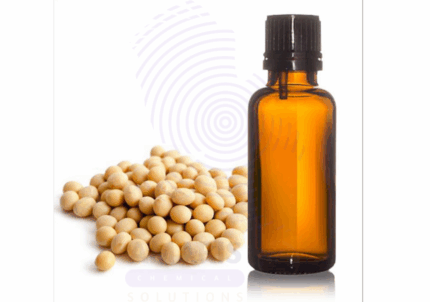
Acid Oil Soya
Acid Oil Soya is a byproduct derived from the refining of soybean oil. It is a dark-colored, free fatty acid-rich liquid containing mainly oleic and linoleic acids. Acid Oil Soya is commonly used in industrial applications such as soap making, animal feed, and as a raw material in the production of biodiesel, lubricants, and other chemicals.
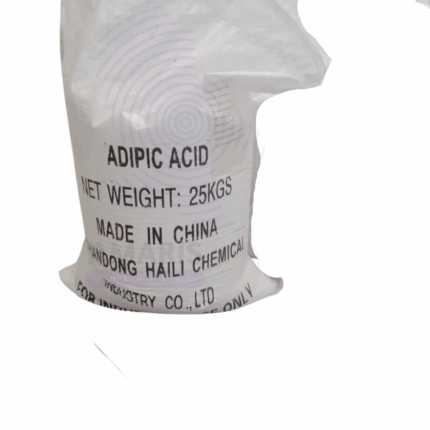
Adipic Acid

Ammonium Bicarbonate
Ammonium bicarbonate is a white crystalline powder or granules with a slightly alkaline taste and a characteristic ammoniacal odor. It is a white solid that decomposes readily on heating, releasing ammonia, carbon dioxide, and water vapor. It is widely used in the food industry as a leavening agent, in chemical synthesis, and in various industrial applications. Its unique property of decomposing to release gases makes it valuable for baking and other processes where gas release is desired.


Ammonium Chloride
Ammonium chloride is a white crystalline salt with a salty, slightly acidic taste. It is highly soluble in water and is widely used in various industrial, agricultural, and pharmaceutical applications. It acts as a nitrogen source in fertilizers, a flux in metalworking, and an expectorant in medicine. Its versatility and relatively low toxicity make it an important compound in multiple sectors.
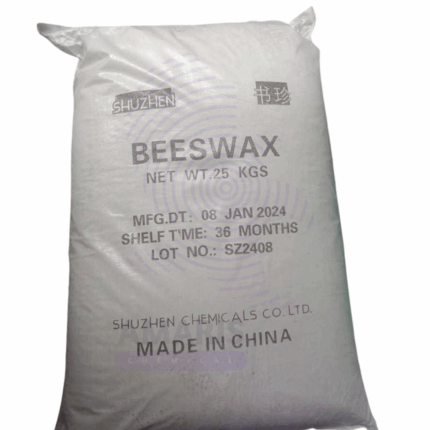
Beeswax
Beeswax is a natural wax produced by honeybees of the genus Apis. It is secreted by worker bees from specialized glands and used to build honeycomb cells. Beeswax is a complex mixture of esters, fatty acids, and hydrocarbons, characterized by a pale yellow to brown color, a pleasant honey-like aroma, and a firm yet pliable texture. It has excellent emulsifying, binding, and protective properties, making it widely used in cosmetics, pharmaceuticals, food, and industrial applications. Beeswax is prized for its natural origin, biodegradability, and skin-friendly characteristics.
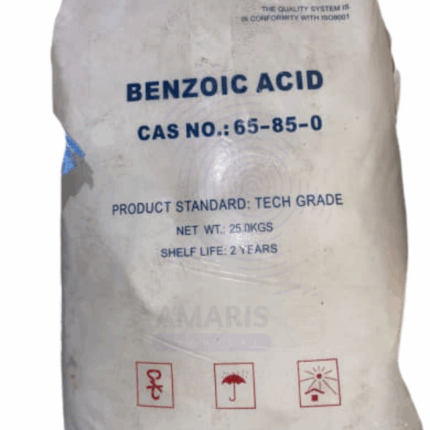
Benzoic Acid
Benzoic Acid is a white crystalline solid with a faint, pleasant odor, classified as a simple aromatic carboxylic acid. It is widely used as a food preservative, antimicrobial agent, and chemical intermediate. Naturally occurring in many plants, it is commercially produced through oxidation of toluene or extraction from natural sources. Benzoic acid is valued for its ability to inhibit the growth of mold, yeast, and certain bacteria, making it essential in food preservation and cosmetic formulations. It also serves as a precursor in the manufacture of various pharmaceuticals, dyes, and plasticizers.
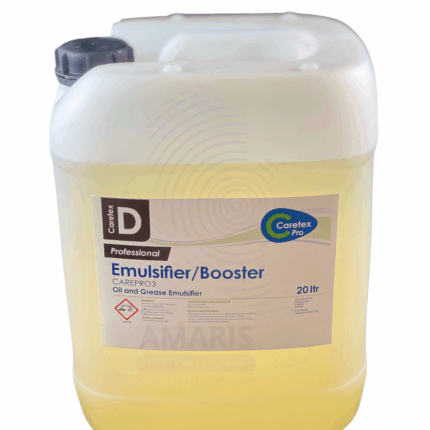
Booster Emulsifier
Booster Emulsifier is a specialized surfactant-based additive formulated to enhance the stability, texture, and uniformity of emulsions in food, cosmetic, and pharmaceutical formulations. It acts by reducing surface tension between immiscible liquids such as oil and water, facilitating the formation of stable, homogeneous emulsions. Booster Emulsifier is valued for its ability to improve product appearance, extend shelf life, and enhance sensory properties such as mouthfeel and creaminess. It is typically available as a liquid or powder and compatible with a wide range of ingredients.
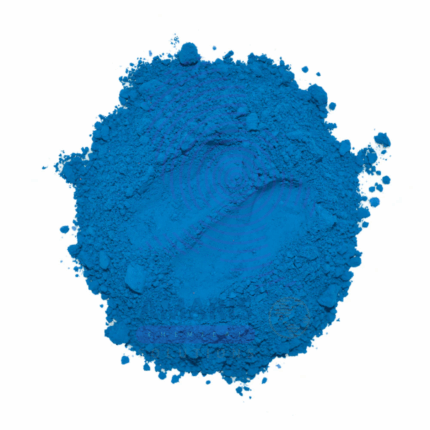
Brilliant Blue water soluble
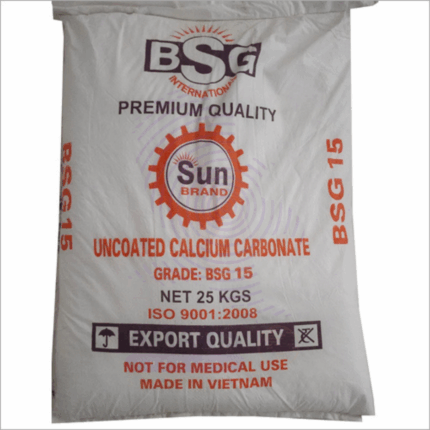
Calcium Carbonate Uncoated
Calcium Carbonate Uncoated is a naturally occurring mineral compound composed primarily of calcium, carbon, and oxygen with the chemical formula CaCO₃. It appears as a fine white powder or granules, widely used as a filler, pigment, and functional additive across various industries. The uncoated form means the calcium carbonate particles are not surface-treated, retaining their natural properties. It is valued for its high brightness, whiteness, and excellent compressibility. Uncoated calcium carbonate is used to enhance opacity, improve processing, and reduce costs in plastics, paints, coatings, adhesives, rubber, paper, and construction materials.
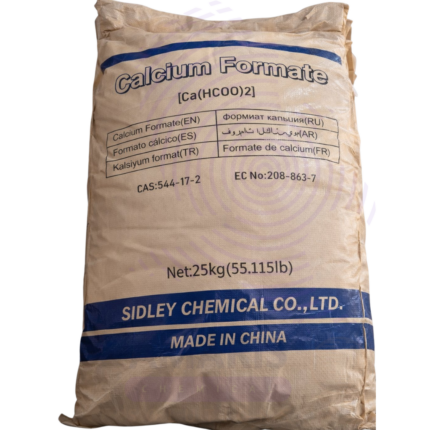
Calcium Formate
Calcium Formate is the calcium salt of formic acid, appearing as a white, free-flowing crystalline powder or granules. It is an odorless compound with a slightly bitter taste and is non-toxic. The chemical formula is Ca(HCOO)₂ with a molecular weight of 130.0 g/mol. Calcium Formate is slightly hygroscopic and readily soluble in water, with solubility of approximately 16.1 g/100 mL at 20°C. Its water solution is neutral with a pH of 6.0 to 8.0. The compound is stable under normal storage conditions and has a decomposition temperature exceeding 400°C. Technical grade Calcium Formate is manufactured for industrial applications including construction, animal feed, leather processing, and water treatment.
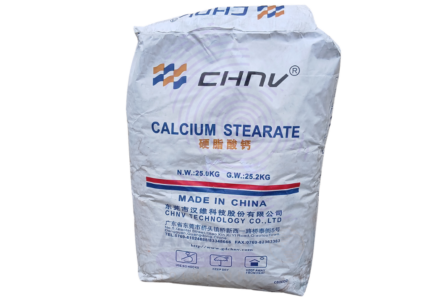
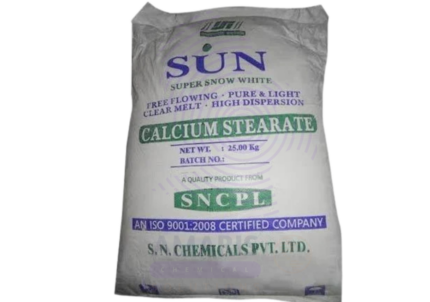
Calcium stearate
Calcium Stearate is a metallic stearate salt, appearing as a fine, white, hydrophobic powder. It is produced through the reaction of stearic acid (a fatty acid derived from natural oils and fats) with calcium oxide or calcium hydroxide. It functions primarily as an acid scavenger, lubricant, release agent, and stabilizer across multiple industrial sectors. Its unique combination of water repellency, low solubility, and high melting point makes it an essential processing additive in plastics, rubber, construction, and paper industries. Technical grade Calcium Stearate is manufactured for industrial performance applications and is not intended for direct food, pharmaceutical, or cosmetic use unless specifically certified and labeled for those applications.
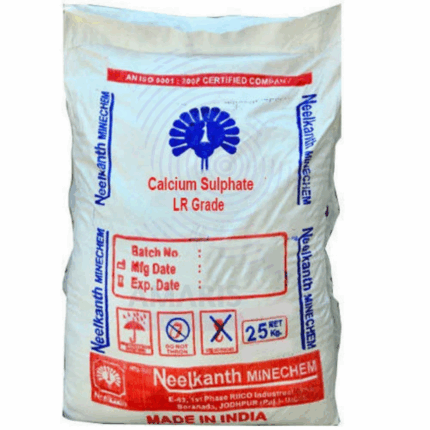
Calcium Sulphate
Calcium Sulphate is an inorganic compound composed of calcium, sulfur, and oxygen, commonly found in two forms: dihydrate (gypsum, CaSO4·2H2O) and anhydrous (CaSO4). It appears as a white or off-white crystalline powder or granules with low solubility in water. Calcium Sulphate is widely used in construction, agriculture, pharmaceuticals, food industry, and various industrial applications. It acts as a filler, hardening agent, and drying agent due to its physical and chemical properties. The dihydrate form (gypsum) is notable for use in plaster and cement, while the anhydrous form is often used as a drying agent and in refractory materials.
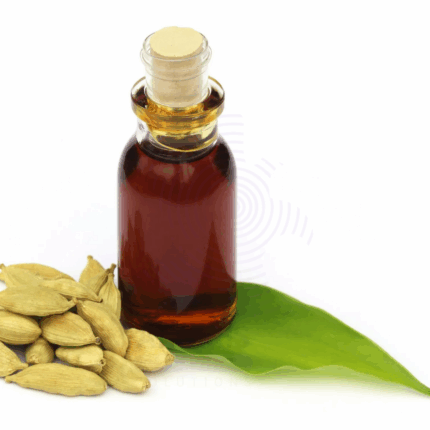
Cardamon Oil
Cardamon Oil is a premium essential oil steam-distilled from the seeds of Elettaria cardamomum, a plant native to India and Sri Lanka and widely cultivated across tropical regions. It carries a warm, spicy-sweet aroma with hints of eucalyptus and citrus, and ranges from colorless to pale yellow in appearance. Known for its digestive, antiseptic, expectorant, and uplifting qualities, it is valued in aromatherapy, perfumery, cosmetics, pharmaceuticals, and food applications.
Rich in compounds like cineole (1,8-cineole), α-terpineol, and linalyl acetate, Cardamom Oil provides both flavor and therapeutic effects, making it a versatile ingredient across several industries.

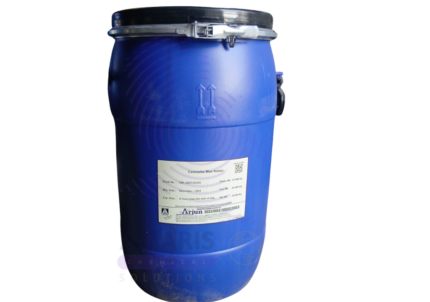
Carnauba Wax Prime Yellow
Carnauba Wax Prime Yellow, also known as Type 1 or Prime Yellow Grade, is the highest quality and purest form of carnauba wax derived from the leaves of the Copernicia cerifera palm tree, native to Brazil. It is a natural, vegetable-based wax prized for its exceptional hardness, high gloss, high melting point, and emulsification properties. Prime Yellow grade represents the finest classification, characterized by its light yellow to pale amber color, low impurities, and superior film-forming characteristics. It is obtained through a meticulous process of harvesting, drying, and processing the palm leaves to extract the waxy coating, which is then refined and graded. Carnauba Wax is often referred to as the "Queen of Waxes" due to its unique combination of properties unmatched by synthetic alternatives. Technical grade Carnauba Wax Prime Yellow is used across numerous industries for its ability to impart gloss, hardness, slip resistance, and moisture barrier properties. It is not intended for direct food consumption but is widely used in food-contact applications such as coatings and packaging.
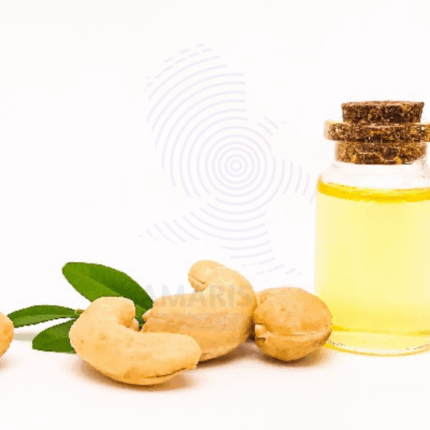
Cashew Nut Oil
Cashew Nut Oil is a light, golden to pale yellow oil extracted from the kernels of the cashew tree (Anacardium occidentale), native to tropical regions such as Brazil, India, and parts of Africa. The oil is obtained through cold-pressing or solvent extraction methods and is known for its emollient, antioxidant, and skin-conditioning properties.
Rich in oleic, linoleic, and palmitic acids, as well as vitamin E, phytosterols, and phenolic compounds, Cashew Nut Oil is used extensively in cosmetic and personal care applications, as well as in certain food and pharmaceutical formulations. Its light texture and high skin compatibility make it ideal for dry and sensitive skin, while its nutritive properties contribute to hair and scalp health.

Cassia Oil
Cassia Oil is a potent essential oil steam-distilled from the bark of Cinnamomum cassia, commonly known as Chinese cinnamon. It carries a strong, spicy, and warm aroma similar to true cinnamon but is more pungent and intense. Its reddish-brown to yellow appearance and high cinnamaldehyde content give it powerful antimicrobial, antifungal, and warming properties. Cassia Oil is used across various industries including food flavoring, pharmaceuticals, cosmetics, aromatherapy, and household products. Due to its strength, it is typically used in diluted concentrations.
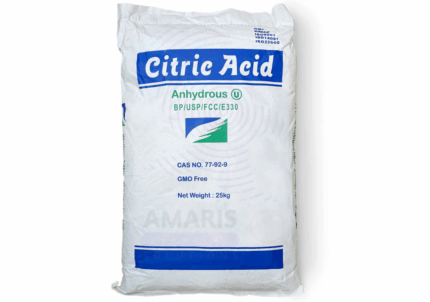
Citric Acid Anhydrous
Citric Acid Anhydrous is a white, crystalline organic acid widely used across food, pharmaceutical, cosmetic, and industrial sectors. It is the anhydrous form of citric acid, meaning it contains no water molecules in its crystal lattice, resulting in higher purity and more concentrated acidic properties compared to its monohydrate form. Derived from natural sources like citrus fruits or produced via microbial fermentation, citric acid anhydrous is valued for its sour taste, excellent chelating ability, and buffering capacity. It serves as a natural preservative, pH adjuster, antioxidant synergist, and cleaning agent, making it a versatile ingredient in many formulations.
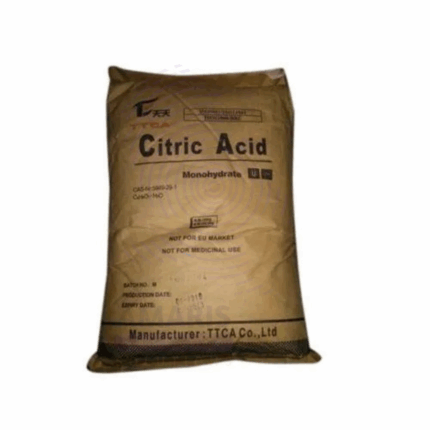
Citric Acid Monohydrate
Citric Acid Monohydrate is a white, crystalline powder or granule form of citric acid containing one molecule of water per molecule of acid. It is a natural organic acid commonly derived from citrus fruits or produced by fermentation processes. Citric Acid Monohydrate is widely used as an acidulant, preservative, and chelating agent in various industries. Compared to the anhydrous form, it has a slightly lower acid concentration due to the water molecule but offers excellent solubility and stability. It is prized for its sour flavor, buffering capacity, and ability to bind metal ions, making it indispensable in food, pharmaceutical, cosmetic, and industrial applications.

Dill Herb Oil
Dill Herb Oil is a steam-distilled essential oil extracted from the fresh or partially dried herbaceous parts of the Anethum graveolens plant, commonly known as dill. Unlike dill seed oil, which is distilled from the seeds, dill herb oil has a lighter, fresher, and slightly grassy aroma with a faint sweetness and subtle spicy undertones. It is valued for its carminative, digestive, antispasmodic, antimicrobial, and calming properties.
This oil is traditionally used in digestive remedies, culinary formulations, aromatherapy blends, and topical preparations. It’s a common ingredient in natural health products, skincare, and child-friendly wellness products due to its mildness and effectiveness. Dill herb oil is also employed in food and beverage applications and niche perfumery for its green, aromatic character.
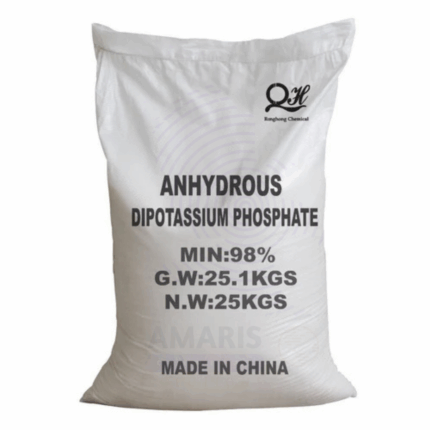
Dipotassium Hydrogen Phosphate
Dipotassium Hydrogen Phosphate (also known as dipotassium phosphate, DKP) is an inorganic salt used widely as a buffering agent, emulsifier, and nutritional supplement in various industries. It is a white, crystalline, highly water-soluble powder with alkaline properties. DKP plays a vital role in food processing, pharmaceuticals, water treatment, and agriculture due to its ability to stabilize pH, improve texture, and supply essential potassium and phosphate ions.

Egg Yellow Color Water Soluble
Egg Yellow Color Water Soluble is a bright synthetic yellow dye with excellent water solubility and color fastness. It is widely used across textile, cosmetic, pharmaceutical, cleaning, and paint industries to provide vibrant yellow coloration with uniform application and stability in aqueous systems.
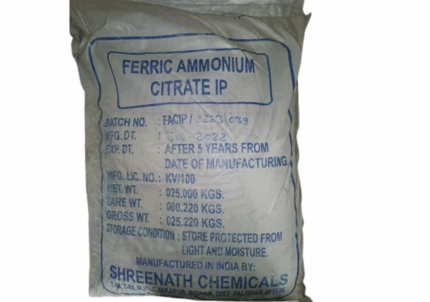
Ferric Ammonium Citrate
Ferric Ammonium Citrate is a dark green to black crystalline or granular inorganic compound composed of iron, ammonium ions, and citrate ions. It is a complex salt of citric acid with ferric iron (Fe³⁺) and ammonium. This compound is highly soluble in water, forming a greenish solution, and is widely utilized as a source of iron in various chemical, pharmaceutical, photographic, and food applications. It acts as a mild oxidizing agent and an iron supplement, valued for its bioavailability and ease of incorporation into formulations. Ferric Ammonium Citrate is typically available in different formulations distinguished by their water and ammonium content, such as green and brown types.
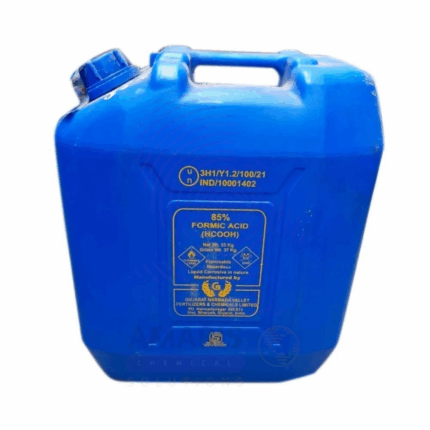
Formic Acid
Formic Acid (methanoic acid) is the simplest carboxylic acid, typically supplied as an 85% aqueous solution. It is a colorless liquid with a pungent, penetrating odor and strong acidic properties. Formic Acid naturally occurs in insect stings and plant secretions and is widely used in chemical synthesis, agriculture, textile, leather, and rubber industries. The 85% solution balances potency and safe handling for industrial applications. It serves as a preservative, antibacterial agent, and intermediate chemical in numerous manufacturing processes.
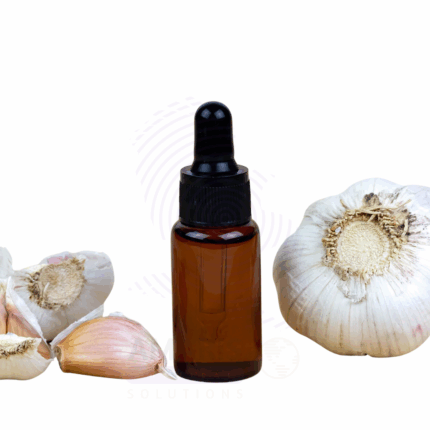
Garlic Oil
Garlic Oil is a potent essential oil extracted from the bulbs of the Allium sativum plant, primarily through steam distillation or solvent extraction. Known for its strong, pungent aroma and rich sulfur-containing compounds such as allicin, diallyl disulfide, and ajoene, Garlic Oil is widely recognized for its antimicrobial, antifungal, antiviral, and antioxidant properties. Traditionally used in herbal medicine, it has applications in pharmaceuticals, natural personal care products, food flavoring, and agricultural pest management. Its therapeutic properties also make it a valuable ingredient in formulations aimed at cardiovascular health and immune system support.

Hop Oil
Hop Oil is a volatile essential oil extracted via steam distillation from the cone-shaped flowers (strobiles) of the hop plant (Humulus lupulus). It has a complex, herbaceous, slightly bitter aroma with earthy, floral, and spicy undertones. Known for its calming, sedative, and antimicrobial effects, Hop Oil is widely used in aromatherapy, cosmetics, herbal formulations, and specialty beverages.
Traditionally linked with beer production, Hop Oil also finds application in natural perfumery, body care, and wellness products aimed at promoting relaxation. Its bioactive compounds such as humulene, myrcene, and caryophyllene contribute to its diverse functional and aromatic value.

Magnesium Oxide
Magnesium Oxide (MgO) is a white, odorless, alkaline earth metal oxide powder. It is produced by calcining magnesium carbonate or hydroxide at high temperatures, resulting in a fine, white powder with a high melting point. Magnesium Oxide is widely used for its refractory properties, chemical stability, and ability to neutralize acids. It serves important roles in pharmaceuticals, agriculture, environmental applications, and various industrial processes.

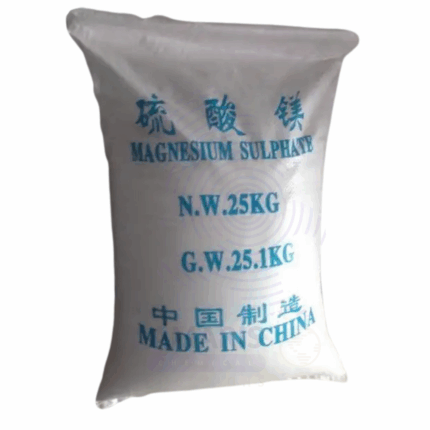
Magnesium Sulphate (Epsom Salt)
Magnesium Sulphate Epsom Salt, commonly known as Epsom Salt, is an inorganic salt composed of magnesium, sulfur, and oxygen with the formula MgSO₄. It typically appears as colorless or white crystalline granules and is highly soluble in water. In its heptahydrate form (MgSO₄·7H₂O), it is widely used in agriculture, pharmaceuticals, food, and industrial applications. Epsom Salt is valued for its muscle relaxant, laxative, and magnesium supplementation properties, as well as for its role in improving soil fertility and plant growth.
Manganese Sulphate Monohydrate
Manganese Sulphate Monohydrate is an inorganic chemical compound with the formula MnSO₄·H₂O. It appears as a pale pink crystalline powder and is highly soluble in water. It is primarily used as a source of manganese, an essential micronutrient, in fertilizers, animal feed, and industrial processes. This monohydrate form is the most stable and commonly used in agriculture and feed-grade applications. It also finds use in various chemical syntheses, electroplating, and as a reagent in laboratories.
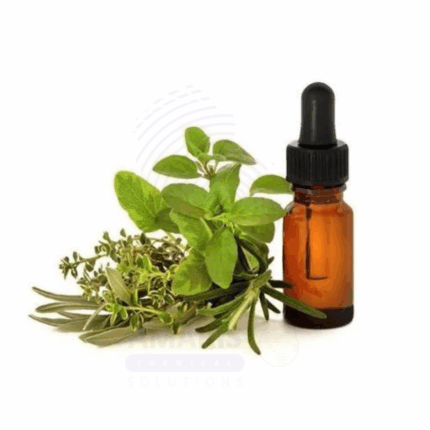
Marjoram Sweet Oil
Marjoram Sweet Oil is a steam-distilled essential oil derived from the flowering tops of Origanum majorana. It has a warm, spicy-herbaceous aroma with a slightly woody undertone. Known for its calming, muscle-soothing, and antispasmodic properties, this oil is widely used in aromatherapy, natural cosmetics, and wellness formulations.
Traditionally used for pain relief, respiratory issues, and digestive discomfort, it is now commonly found in massage blends, personal care products, and therapeutic applications. Its gentle, herbaceous profile also makes it a popular ingredient in emotional wellness and stress-relief formulas.
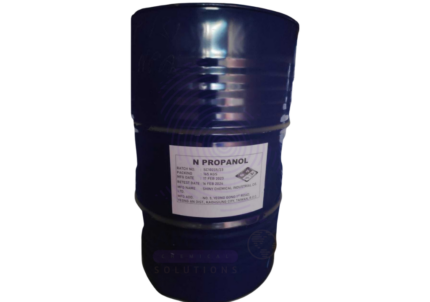
N-Propanol
N-Propanol, also known as n-Propyl Alcohol or 1-Propanol, is a clear, colorless, low-viscosity liquid with a characteristic mild alcohol-like odor. It is a primary alcohol with the molecular formula C₃H₈O, fully miscible with water and common organic solvents such as alcohols, ketones, ethers, glycols, and hydrocarbons. This high-purity, semi-volatile, polar solvent serves as both a versatile solvent and a chemical intermediate across multiple industrial sectors. N-Propanol has a flash point of 15–23°C and is classified as a highly flammable liquid. Technical grade N-Propanol is manufactured for industrial applications and is not intended for direct human consumption unless specifically certified as USP or Food Grade.

Olive Oil Pomace
Olive Oil Pomace is a refined oil extracted from the olive pulp, skin, and pits after the first pressing. It is a lower-cost olive oil variant with a mild flavor and good stability. Rich in monounsaturated fatty acids, particularly oleic acid, and antioxidants like vitamin E and polyphenols, pomace olive oil offers nutritional benefits and excellent oxidative stability. It is widely used in culinary, cosmetic, pharmaceutical, and industrial applications due to its moisturizing properties and mild aroma. Pomace olive oil is favored in formulations where a lighter olive aroma is desired, and it also serves as a base oil in soap making, skincare, and massage oils.
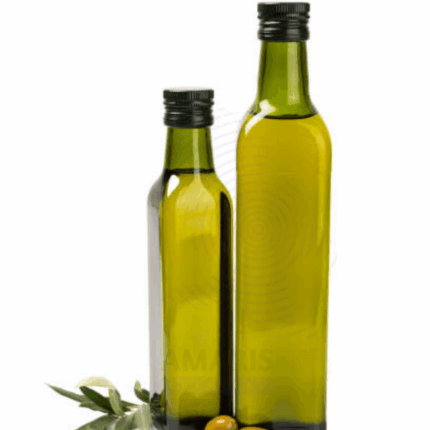
Olive Oil Virgin
Olive Oil Virgin is a natural oil obtained from the first cold pressing of olives without the use of chemicals or excessive heat, preserving its rich flavor and nutritional qualities. It is characterized by a fruity aroma and a balanced taste, containing high levels of monounsaturated fatty acids, particularly oleic acid, as well as antioxidants such as polyphenols and vitamin E. Virgin olive oil is widely valued for its health benefits, culinary versatility, and skin conditioning properties. It is extensively used in food preparation, cosmetic formulations, and pharmaceutical applications, offering moisturizing, antioxidant, and anti-inflammatory effects.
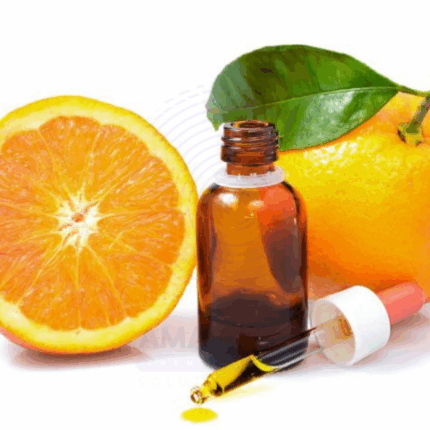
Orange Oil
Orange Oil is a natural essential oil extracted by cold pressing the rind of sweet oranges (Citrus sinensis). It is prized for its fresh, sweet, and citrusy aroma, widely used in aromatherapy, perfumery, flavoring, and cleaning products. Rich in limonene, a powerful antioxidant and natural solvent, Orange Oil offers antimicrobial, anti-inflammatory, and mood-enhancing properties. Its versatility makes it a popular ingredient in cosmetics, personal care, pharmaceuticals, food flavorings, and environmentally friendly cleaning formulations.

Palmarosa Oil
Palmarosa Oil is a highly valued essential oil obtained through steam distillation of the fresh grass Cymbopogon martinii, native to India. Known for its sweet, floral, and rose-like aroma, it is rich in geraniol, a natural compound with potent antimicrobial and anti-inflammatory properties. Palmarosa Oil is widely used in aromatherapy, natural skincare, and personal care formulations for its hydrating and rejuvenating effects. Its antimicrobial activity makes it popular in therapeutic blends, natural preservatives, and fragrance products. Additionally, it has applications in pharmaceutical, cleaning, and flavoring industries.
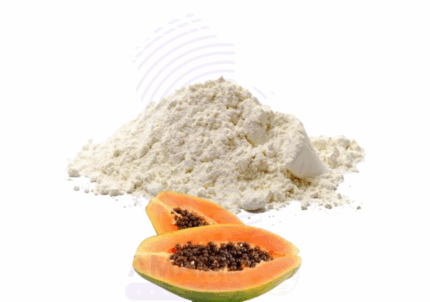
papain
Papain is a proteolytic enzyme extracted from the latex of the papaya fruit (Carica papaya). It breaks down proteins into peptides and amino acids, making it widely used in various industries. Papain has excellent catalytic activity and works effectively across a broad pH range, especially in neutral to slightly alkaline conditions. It is valued for its meat tenderizing, digestive aid, and therapeutic properties.
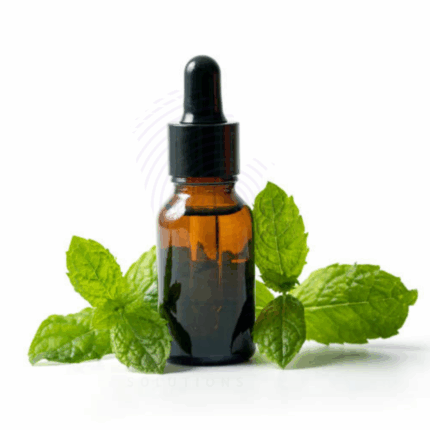
Peppermint Oil
Peppermint Oil is a refreshing essential oil obtained by steam distillation of the leaves and flowering tops of the Mentha × piperita plant. Renowned for its sharp, cool, and invigorating menthol aroma, it contains high levels of menthol and menthone, which contribute to its cooling, analgesic, and antimicrobial effects. Peppermint Oil is widely used across aromatherapy, pharmaceuticals, personal care, food flavoring, and cleaning products. Its stimulating and soothing properties make it popular for relieving headaches, muscle pain, digestive issues, and respiratory problems, while also adding a fresh scent to many formulations.

Pineapple Enzyme Powder
Pineapple Enzyme Powder is a fine, light-colored powder derived from the fruit and stem of the pineapple (Ananas comosus), containing the proteolytic enzyme bromelain. It is produced via extraction and subsequent drying (usually spray or freeze-drying) to preserve enzymatic activity. Known for its protein-digesting, anti-inflammatory, and exfoliating properties, this enzyme is widely used across food, nutraceutical, cosmetic, and pharmaceutical industries.

Pineapple Powder Flavour
Pineapple Powder Flavour is a finely milled, water-soluble powder designed to replicate the sweet, tangy, and tropical taste of fresh pineapple. This powdered flavouring is widely used in the food and beverage industry for applications where dry ingredients are preferred, such as instant drink mixes, bakery products, confectionery, and seasoning blends. It offers excellent flavour retention and stability during processing and storage, providing a natural-like pineapple taste. Its free-flowing nature makes it easy to blend uniformly into a variety of formulations.
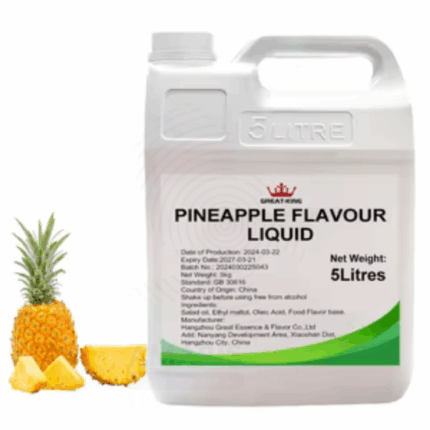
Pineapple Sweet Liquid Flavour
Pineapple Sweet Liquid Flavour is a high-quality synthetic flavour designed to replicate the sweet, tangy, and tropical taste of fresh pineapple. This flavouring is widely used in the food and beverage industry to enhance the sensory appeal of products such as beverages, baked goods, confectionery, and dairy items. It delivers a consistent, natural-like pineapple taste with excellent stability during processing and storage. Pineapple Liquid Flavour is water-soluble and blends well in both liquid and semi-solid food matrices, making it a versatile ingredient for a variety of formulations.
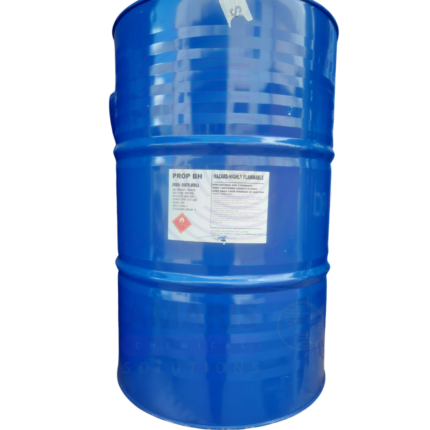
Propylparaben (Prop BH)
Prop BH, also known as Propylparaben or Propyl 4-Hydroxybenzoate, is an organic compound belonging to the paraben family of preservatives. It appears as colorless small crystals or a white crystalline powder with a characteristic mild odor and a slightly bitter taste. The compound is practically insoluble in cold water but readily soluble in alcohols, ethers, and other organic solvents. Propylparaben is widely recognized for its broad-spectrum antimicrobial activity, particularly effective against molds, yeasts, and bacteria. Propylparaben is manufactured for use as a preservative in various industrial applications and is not intended for direct human consumption without appropriate certification.

Raspberry Flavour Powder
Raspberry Flavour Powder Food Grade is a finely milled, water-soluble powder designed to deliver the sweet, tart, and fresh taste of ripe raspberries. This concentrated powder provides consistent raspberry flavor with excellent shelf stability, making it ideal for dry and wet food formulations. It is widely used in bakery, confectionery, beverage mixes, dairy products, and snack foods to impart a natural fruity note that appeals to consumers. The powder form allows for easy handling and incorporation into various product matrices without compromising flavor intensity.
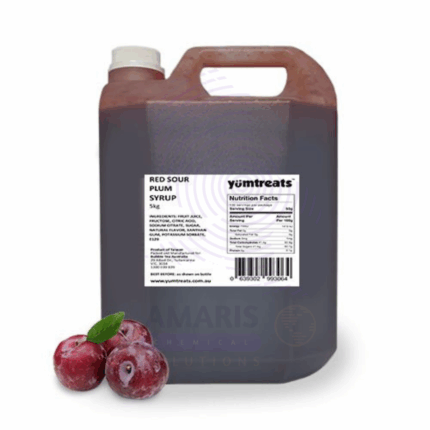
Red Plum Liquid Flavor
Red Plum Liquid Flavor is a concentrated, water-soluble liquid flavor designed to replicate the sweet, tangy, and slightly tart taste of ripe red plums. This flavoring offers consistent intensity and excellent stability, making it suitable for a wide range of food and beverage products. It blends seamlessly into aqueous and semi-solid formulations, enhancing the sensory profile of bakery goods, beverages, confectionery, dairy products, and nutritional supplements. Its natural plum character is prized for adding authentic fruity notes in both commercial and artisanal food production.

Rose Oil
Rose Oil, also known as Rosa Damascena Oil, is a highly valued essential oil extracted primarily through steam distillation of the petals of the Rosa damascena flower. Renowned for its rich, floral, and intoxicating aroma, Rose Oil is cherished in perfumery, cosmetics, and therapeutic applications. It contains key compounds like citronellol, geraniol, and nerol, which contribute to its soothing, anti-inflammatory, and antiseptic properties. Rose Oil is widely used for skin rejuvenation, mood enhancement, and as a luxurious fragrance component, making it an essential ingredient in high-end skincare and aromatherapy products.

Rosehip Oil
Rosehip Oil is a cold-pressed carrier oil extracted from the seeds of the wild rose bush (Rosa canina or Rosa rubiginosa). Known for its rich content of essential fatty acids, vitamins A and C, and antioxidants, Rosehip Oil is highly prized in skincare for its ability to promote skin regeneration, improve elasticity, and reduce scars and pigmentation. It has a light texture and is easily absorbed, making it ideal for facial and body care formulations. This oil is also used in therapeutic and cosmetic products aimed at anti-aging, moisturizing, and skin repair.
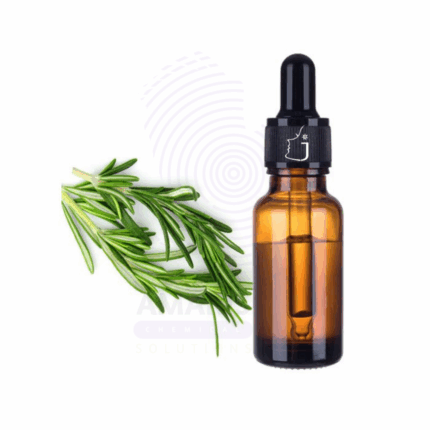
Rosemary Oil
Rosemary Oil is an essential oil extracted through steam distillation from the leaves and flowering tops of the Rosmarinus officinalis plant. It possesses a fresh, herbaceous, and slightly woody aroma. Rich in cineole, camphor, and α-pinene, Rosemary Oil is widely valued for its stimulating, antioxidant, and antimicrobial properties. It is extensively used in aromatherapy, cosmetics, pharmaceuticals, and natural personal care products. Rosemary Oil promotes scalp health, enhances hair growth, supports respiratory function, and is used in massage blends to invigorate the body and mind.

Safflower Oil
Safflower Oil is a high-quality, cold-pressed or expeller-extracted vegetable oil derived from the seeds of the Carthamus tinctorius plant. Pale yellow in color and light in texture, this oil is rich in linoleic and oleic acids, making it a valuable source of essential fatty acids. It is prized for its moisturizing, anti-inflammatory, and antioxidant properties and has been used for centuries in traditional medicine, culinary applications, and skin and hair care routines.
Due to its non-comedogenic and quick-absorbing nature, Safflower Oil is widely used in cosmetic formulations such as lotions, serums, and hair treatments. It is also commonly incorporated into massage oils, therapeutic balms, and healthy cooking oils. In industrial and pharmaceutical contexts, it serves as an excipient, emollient, or carrier oil in active ingredient delivery systems.
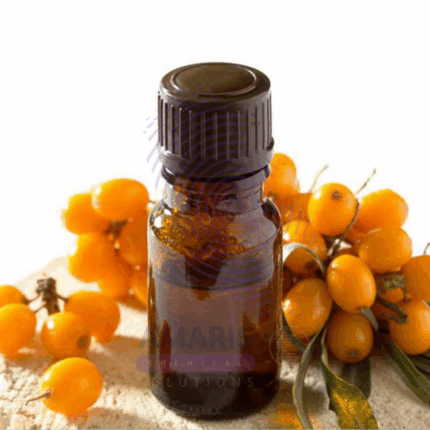
Sea Buckthorn Oil
Sea Buckthorn Oil is a vibrant orange-red oil extracted primarily from the berries (and sometimes seeds) of Hippophae rhamnoides, a hardy shrub native to the coastal and mountainous regions of Europe and Asia. Renowned for its rich composition of essential fatty acids (including omega-3, 6, 7, and 9), carotenoids, vitamins (notably vitamin C and E), flavonoids, and antioxidants, Sea Buckthorn Oil is prized for its regenerative, anti-inflammatory, and moisturizing properties. It has a distinctive fruity, slightly tart aroma and is valued in traditional medicine for skin healing, immune support, and cardiovascular health.
In modern applications, Sea Buckthorn Oil is a sought-after ingredient in high-performance skincare, nutraceuticals, hair care, and therapeutic formulations. It also finds uses in dietary supplements and functional foods for its nutrient-dense profile.
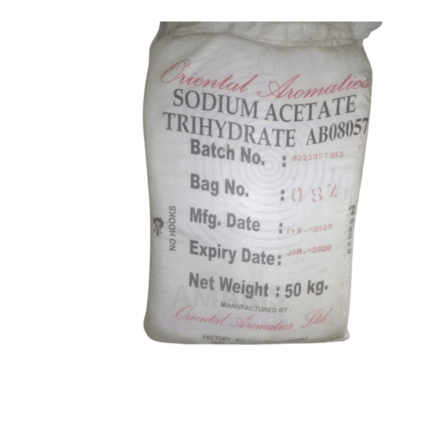
Sodium Acetate Trihydrate
Sodium Acetate Trihydrate is a white crystalline solid that is the hydrated form of sodium acetate. It is highly soluble in water and has a mildly alkaline pH in solution. Widely used in chemical, pharmaceutical, food, and textile industries, sodium acetate trihydrate serves as a buffering agent, pH regulator, and preservative. Its ability to stabilize pH and act as a neutralizing agent makes it valuable in various industrial and laboratory applications. Additionally, it is used for heat packs due to its exothermic crystallization properties.

Sodium Bicarbonate
Sodium Bicarbonate, commonly known as Baking Soda, is a white crystalline powder with a mildly alkaline taste. It is widely used across multiple industries for its excellent buffering, neutralizing, and leavening properties. This compound is safe for food applications and also finds uses in pharmaceuticals, cleaning, and industrial processes. Its ability to react with acids releasing carbon dioxide makes it essential for baking and other chemical applications.
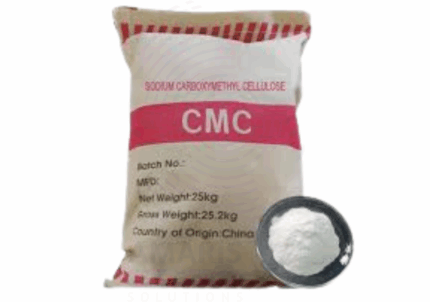
Sodium Carboxymethyl Cellulose
Sodium Carboxymethyl Cellulose , is a water-soluble anionic cellulose ether derived from natural cellulose. It appears as a white to off-white, odorless, tasteless powder or granule. Known for its excellent thickening, stabilizing, emulsifying, and water-retention properties, CMC is widely used in food, pharmaceutical, personal care, industrial, and detergent applications. It functions by modifying the rheological properties of solutions and suspensions, offering control over viscosity and flow. Its biocompatibility, non-toxicity, and biodegradability make it suitable for both human use and environmentally friendly formulations.












