

 Preservatives(food)
 Flavor Enhancers
 Acidulants
 Sweeteners
 Antioxidants
 Colorants(food)
 Nutraceutical Ingredients (food)
 Nutrient Supplements
 Emulsifiers
 Collectors
 Dust Suppressants
 Explosives and Blasting Agents
 Flocculants and Coagulants
 Frothers
 Leaching Agents
 pH Modifiers
 Precious Metal Extraction Agents
 Antioxidants(plastic)
 Colorants (Pigments, Dyes)
 Fillers and Reinforcements
 Flame Retardants
 Monomers
 Plasticizers
 Polymerization Initiators
 Stabilizers (UV, Heat)
 Antifoaming Agents
 Chelating Agents
 Coagulants and Flocculants
 Corrosion Inhibitors
 Disinfectants and Biocides
 Oxidizing Agents
 pH Adjusters
 Scale Inhibitors( water)
 Antioxidants(cosmetic)
 Emollients
 Fragrances and Essential Oils
 Humectants
 Preservatives
 Surfactants(cosmetic)
 Thickeners
 UV Filters
 Fertilizers
 Soil Conditioners
 Plant Growth Regulators
 Animal Feed Additives
 Biostimulants
 Pesticides (Herbicides, Insecticides, Fungicides)
 Active Pharmaceutical Ingredients (APIs)
 Excipients
 Solvents(pharmaceutical)
 Antibiotics
 Antiseptics and Disinfectants
 Vaccine Adjuvants
 Nutraceutical Ingredients (pharmaceutical)
 Analgesics & Antipyretics
 Analytical Reagents
 Solvents(lab)
 Chromatography Chemicals
 Spectroscopy Reagents
 microbiology-and-cell-culture-reagents
 Molecular Biology Reagents
 Biochemical Reagents
 Inorganic and Organic Standards
 Laboratory Safety Chemicals
 Specialty Laboratory Chemicals(Special Laboratory Equipment)
 Demulsifiers
 Hydraulic Fracturing Fluids
 Scale Inhibitors(oil)
 Surfactants(oil)
 Drilling Fluids
 Dyes and Pigments
 Bleaching Agents
 Softening Agents
 Finishing Agents
 Antistatic Agents
 Admixtures
 Waterproofing Agents
 Sealants and Adhesives
 Curing Compounds
 Concrete Repair Chemicals
 Anti-Corrosion Coatings
 Surfactants(cleaning)
 Builders
 Enzymes
 Solvents (Cleaning)
 Fragrances
 Electronic Chemicals
 Catalysts
 Lubricants
 Photographic Chemicals
 Refrigerants
 Automotive chemicals
 Pyrotechnic Chemicals
 Biodegradable Surfactants
 Bio-based Solvents
 Renewable Polymers
 Carbon Capture Chemicals
 Wastewater Treatment Chemicals
 Pigments
 Solvents(paint)
 Specialty Coatings
 Binders/Resins
 Additives
 Driers
 Anti-Corrosion Agents
 Functional Coatings
 Application-Specific Coatings
 Leavening Agents
 Dough Conditioners
 Flour Treatments
 Fat Replacers
 Decoratives
 Preservatives(baking)
 Plasticizers & Softeners
 Reinforcing Agents
 Adhesion Promoters
 Vulcanizing Agents
 Antidegradants
 Blowing Agents
 Fillers & Extenders
 Accelerators & Retarders

















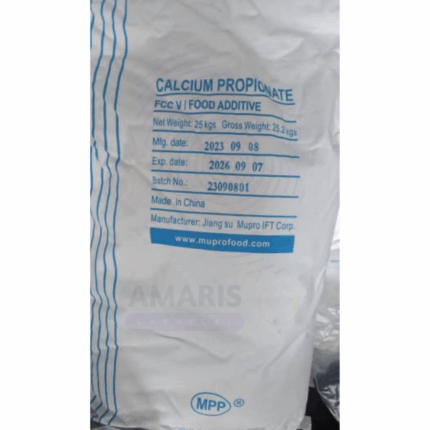
Calcium Propionate
Calcium Propionate is the calcium salt of propionic acid, appearing as a white, crystalline powder or granules with a slightly salty taste and low odor. It is highly soluble in water and used primarily as a food preservative and mold inhibitor. Calcium Propionate inhibits the growth of mold, bacteria, and fungi, making it especially valuable in baked goods, dairy products, and animal feed to extend shelf life and prevent spoilage. It also finds application in pharmaceuticals and cosmetics as a preservative and antimicrobial agent.
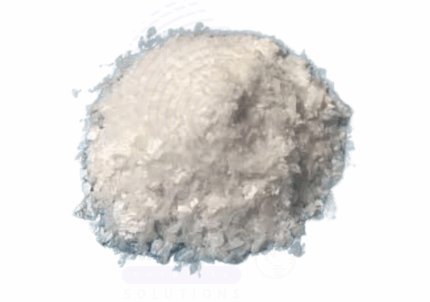
Calcium Saccharin
Calcium Saccharin is the calcium salt form of saccharin, a synthetic sweetener. It appears as a white to off-white crystalline powder with a sweet taste that is several hundred times sweeter than sucrose (table sugar). Calcium Saccharin is water-soluble and widely used as a non-nutritive sweetener in food and beverage products, pharmaceuticals, and oral care formulations. Due to its stability under heat and acidic conditions, it is ideal for baked goods and beverages. It serves as a sugar substitute for diabetic and calorie-restricted diets and is often used in combination with other sweeteners to improve taste profiles.
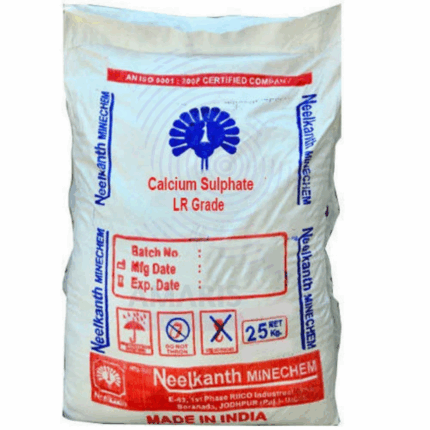
Calcium Sulphate
Calcium Sulphate is an inorganic compound composed of calcium, sulfur, and oxygen, commonly found in two forms: dihydrate (gypsum, CaSO4·2H2O) and anhydrous (CaSO4). It appears as a white or off-white crystalline powder or granules with low solubility in water. Calcium Sulphate is widely used in construction, agriculture, pharmaceuticals, food industry, and various industrial applications. It acts as a filler, hardening agent, and drying agent due to its physical and chemical properties. The dihydrate form (gypsum) is notable for use in plaster and cement, while the anhydrous form is often used as a drying agent and in refractory materials.
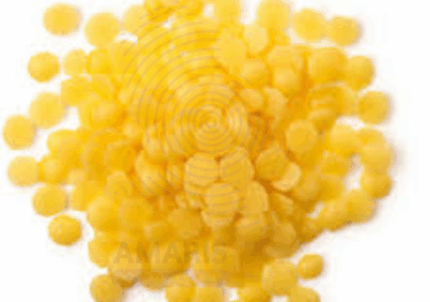
Candelilla Wax
Candelilla Wax is a natural vegetable wax derived from the leaves of the Euphorbia cerifera shrub, native to northern Mexico and the southwestern United States. It appears as a hard, brittle, light yellow to brown wax with a mild, characteristic odor. This wax is valued for its high melting point, gloss-enhancing properties, and excellent binding capabilities. It is widely used in cosmetics, pharmaceuticals, food, and industrial applications as a vegan alternative to beeswax. Its film-forming, emollient, and stabilizing attributes make it a multifunctional ingredient across several industries.

Cellulose Acetate Phthalate (CAP)
Cellulose Acetate Phthalate (CAP) is a cellulose derivative obtained by esterification of cellulose with acetic acid and phthalic anhydride. It appears as a white to off-white, free-flowing powder that is insoluble in water but soluble in alkaline solutions and certain organic solvents. CAP is primarily used as an enteric coating agent in pharmaceutical formulations, providing resistance to acidic gastric fluids and enabling targeted release of drugs in the intestines. Due to its film-forming, pH-sensitive solubility, and protective properties, CAP is also applied in food, cosmetics, and specialty industrial uses.
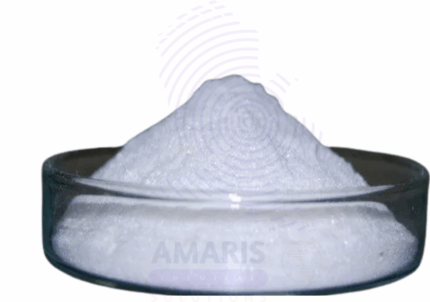
Cetirizine Hydrochloride
Cetirizine Hydrochloride is a widely used second-generation antihistamine effective for treating allergic conditions such as allergic rhinitis, chronic urticaria, and other allergy symptoms. It is the hydrochloride salt form of cetirizine, existing as a white to off-white crystalline powder with a slightly bitter taste. Cetirizine HCl acts by selectively blocking peripheral H1 histamine receptors, thereby reducing allergic symptoms without significant sedation or central nervous system depression. It is commonly formulated into tablets, syrups, and capsules as an active pharmaceutical ingredient.
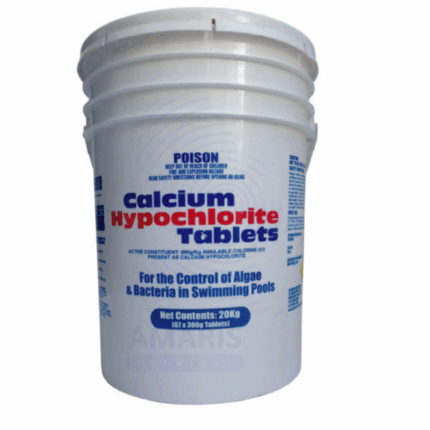
Chlorine Tablets
Chlorine Tablets are solid, compressed forms of chlorine-releasing compounds, typically composed of stabilized trichloroisocyanuric acid (TCCA) or sodium dichloroisocyanurate (SDIC). These tablets are used primarily for water disinfection and sanitation due to their controlled and sustained release of chlorine. They appear as white to off-white, hard tablets with a mild chlorine odor. Chlorine Tablets are widely used in swimming pools, drinking water treatment, wastewater treatment, and industrial sanitization processes. Their slow dissolution ensures prolonged antimicrobial activity, providing effective control against bacteria, viruses, algae, and other pathogens.
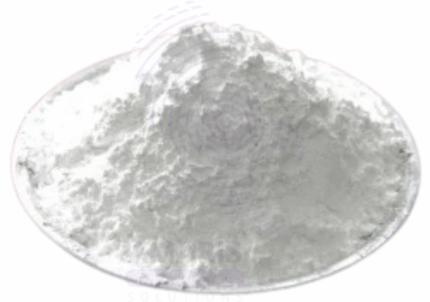
Chlorpheniramine Maleate
Chlorpheniramine Maleate is a first-generation alkylamine antihistamine used primarily to relieve allergy symptoms by blocking H1 histamine receptors. It appears as a white or off-white crystalline powder, freely soluble in water and alcohol. Known for rapid onset and moderate duration of action, it’s widely formulated in pharmaceuticals. It also exhibits mild anticholinergic and sedative effects.
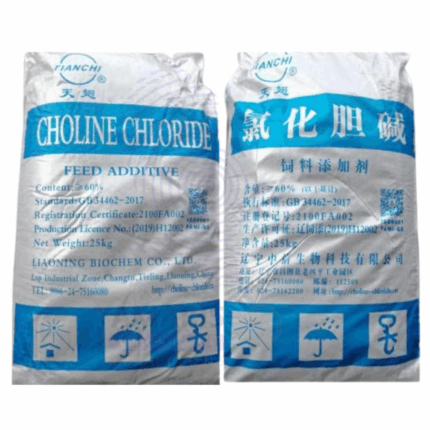
Choline Chloride Powder
Choline Chloride Powder is a white to off-white crystalline powder containing 60% choline chloride, a quaternary ammonium salt essential as a nutrient in animal and poultry feed. It serves as a vital source of choline, an important component in fat metabolism, liver function, and cell membrane integrity. Produced through chemical synthesis, this powder form is highly soluble in water, making it easy to incorporate into feed premixes and supplements. Choline chloride is widely used in the agriculture industry to prevent choline deficiency, enhance growth performance, and improve overall health in livestock. Beyond animal nutrition, it finds applications in chemical manufacturing and pharmaceuticals.
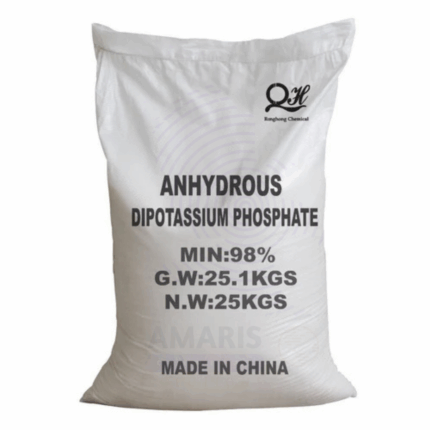
Dipotassium Hydrogen Phosphate
Dipotassium Hydrogen Phosphate (also known as dipotassium phosphate, DKP) is an inorganic salt used widely as a buffering agent, emulsifier, and nutritional supplement in various industries. It is a white, crystalline, highly water-soluble powder with alkaline properties. DKP plays a vital role in food processing, pharmaceuticals, water treatment, and agriculture due to its ability to stabilize pH, improve texture, and supply essential potassium and phosphate ions.

Ferulic Acid
Ferulic Acid is a naturally occurring hydroxycinnamic acid classified as a phenolic compound with potent antioxidant properties. It exists as a pale yellow to light brown crystalline powder with a faint characteristic odor. Ferulic Acid is commonly found in the cell walls of various plants such as rice bran, wheat, oats, coffee, apples, and fruits, where it plays a role in plant structural integrity and defense against environmental stress. It is valued across multiple industries—cosmetics, pharmaceuticals, nutraceuticals, food, and agriculture—due to its ability to neutralize free radicals, absorb UV radiation, and exhibit anti-inflammatory and antimicrobial activities.
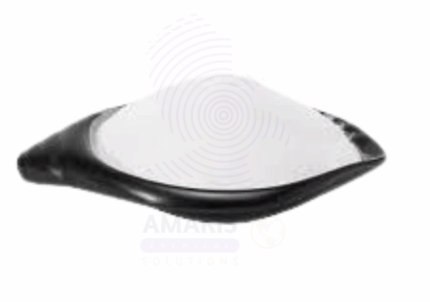
Fish Collagen
Fish Collagen is a natural protein derived from the skin, scales, and bones of various fish species through enzymatic hydrolysis or acid extraction. It is predominantly Type I collagen, known for its excellent bioavailability and biocompatibility. Fish Collagen typically appears as a fine white to off-white powder with low odor and high solubility in water and acidic solutions. It is widely prized in cosmetics, nutraceuticals, pharmaceuticals, and food industries due to its superior absorption compared to mammalian collagen, making it highly effective in skin, joint, and bone health applications. Fish Collagen supports the body’s extracellular matrix, promoting skin elasticity, hydration, and tissue repair.
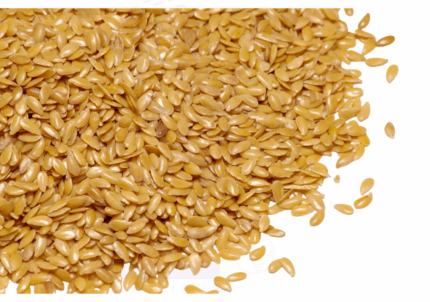
Flax
Flax (Linum usitatissimum) is an ancient crop cultivated primarily for its seeds and fibers. The flax seeds are small, flat, and oval, ranging from golden yellow to brown in color, and are rich in nutrients including omega-3 fatty acids (alpha-linolenic acid), lignans, dietary fiber, proteins, and vitamins. Flax fibers are derived from the stem and used in textile and industrial applications. Flaxseed oil, extracted from the seeds, is highly valued for its nutritional and therapeutic properties. Flax is utilized across food, nutraceutical, cosmetic, pharmaceutical, and industrial sectors due to its multifunctional health benefits, fiber content, and sustainable nature.
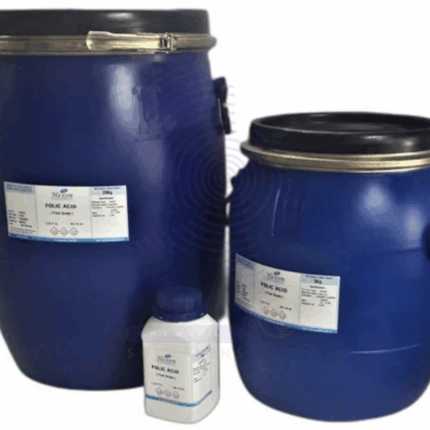
Folic Acid
Folic Acid, also known as Vitamin B9 or pteroylmonoglutamic acid, is a water-soluble vitamin essential for numerous physiological processes including DNA synthesis, repair, and methylation, as well as amino acid metabolism. It appears as a yellow to orange-yellow crystalline powder, odorless or with a faint characteristic odor. Folic Acid is vital for cell division and growth, making it critical during pregnancy and periods of rapid growth. It is widely used in the pharmaceutical, nutraceutical, food fortification, and cosmetic industries due to its role in preventing folate deficiency anemia, neural tube defects in newborns, and supporting overall cellular health.
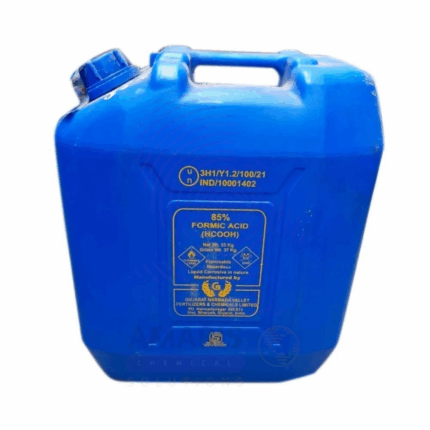
Formic Acid
Formic Acid (methanoic acid) is the simplest carboxylic acid, typically supplied as an 85% aqueous solution. It is a colorless liquid with a pungent, penetrating odor and strong acidic properties. Formic Acid naturally occurs in insect stings and plant secretions and is widely used in chemical synthesis, agriculture, textile, leather, and rubber industries. The 85% solution balances potency and safe handling for industrial applications. It serves as a preservative, antibacterial agent, and intermediate chemical in numerous manufacturing processes.
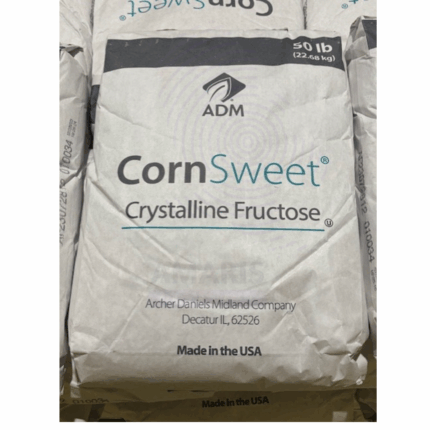
Fructose
Fructose, also known as fruit sugar, is a naturally occurring monosaccharide found in many plants, fruits, honey, and root vegetables. It is a simple sugar with a sweet taste and is one of the three dietary monosaccharides, alongside glucose and galactose. Fructose appears as a white crystalline powder, highly soluble in water, and is commonly used as a sweetener in food and beverage industries due to its high relative sweetness. It plays important roles in metabolism and is used extensively in the production of high-fructose corn syrup (HFCS) and other sweetening agents.
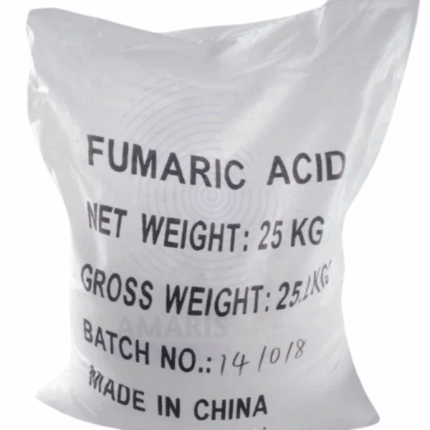
Fumaric Acid
Fumaric Acid is a naturally occurring dicarboxylic acid characterized by its white crystalline powder form and a slightly acidic taste. It is an unsaturated organic acid with the chemical formula C4H4O4 and is an intermediate in the Krebs cycle in biological systems. Fumaric Acid is commonly found in various plants and fungi and is commercially produced by isomerization of maleic acid or by fermentation. It is widely used in the food, pharmaceutical, chemical, and polymer industries due to its acidulant, antioxidant, and crosslinking properties.
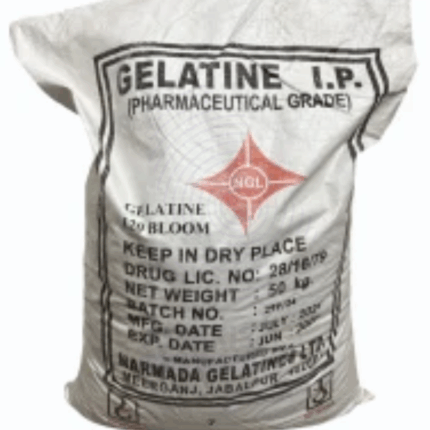
Gelatin Powder 180 Bloom
Gelatin Powder 180 Bloom is a high-quality, partially hydrolyzed collagen protein derived primarily from the skin, bones, and connective tissues of animals such as pigs and cows. The “180 Bloom” rating indicates its gel strength, meaning it forms a firm gel, making it suitable for various industrial, food, pharmaceutical, and cosmetic applications. Gelatin is a natural biopolymer, pale yellow to off-white in color, odorless, and tasteless. It is widely used due to its excellent gelling, film-forming, emulsifying, and stabilizing properties. The powder form offers ease of handling, storage, and precise dosing.
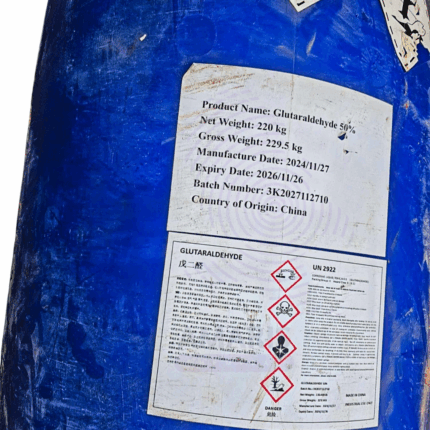
Glutardehyde
Glutardehydeis a potent biocidal agent and chemical sterilant widely used in healthcare, water treatment, and industrial applications. It is a colorless to pale yellow oily liquid with a pungent, sharp odor. Chemically, it is a dialdehyde, primarily valued for its ability to cross-link proteins, making it highly effective as a disinfectant, fixative, and preservative. Typically supplied in concentrations of 25% or 50% aqueous solutions, Glutaraldehyde is used where high-level disinfection is needed—especially against bacteria, viruses, fungi, and spores. Its versatility also extends to tanning, laboratory science, and wastewater treatment.
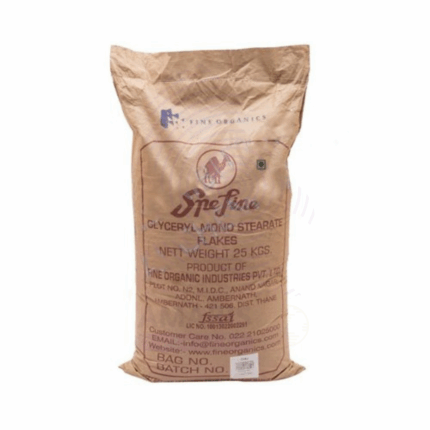
Glycerol Monostearate Flakes
Glycerol Monostearate Flakes is a white to off-white waxy flake form emulsifier composed of 40% monoglycerides of fatty acids, primarily stearic and palmitic acids, combined with other glycerides and esters. Derived mainly from vegetable oils, this food-grade emulsifier is widely utilized in food, cosmetic, pharmaceutical, and industrial sectors for its multifunctional properties. GMS 40% flakes serve as effective emulsifiers, stabilizers, anti-caking agents, and texture enhancers, with excellent compatibility and versatility in formulations requiring semi-solid or solid fats.
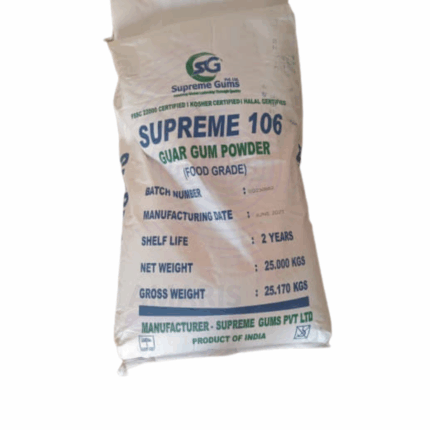
Guar Gum
Guar Gum is a natural polysaccharide extracted from the endosperm of the guar bean (Cyamopsis tetragonoloba). It appears as an off-white to cream-colored powder with a neutral odor and bland taste. Guar Gum is a galactomannan composed mainly of mannose and galactose units, known for its excellent water-binding, thickening, and stabilizing properties. It forms highly viscous solutions even at low concentrations, making it a versatile hydrocolloid used widely across food, pharmaceutical, cosmetic, oilfield, and industrial applications.
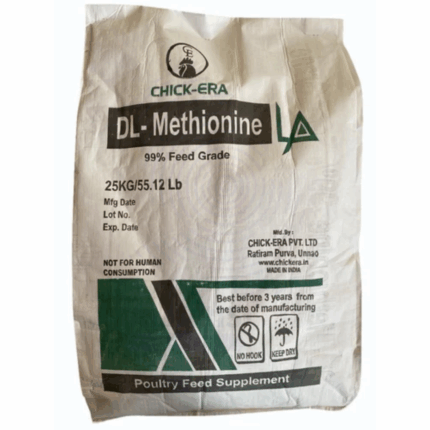
DL-Methionine Feed Grade
DL-Methionine Feed Grade is a synthetic, racemic mixture of the amino acid methionine, consisting of equal parts D- and L-isomers. It is an essential sulfur-containing amino acid widely used as a nutritional supplement in animal feed formulations. DL-Methionine plays a critical role in protein synthesis, growth, and metabolic functions in livestock and poultry. This feed-grade quality ensures high purity (minimum 99%) and suitability for inclusion in feed blends to enhance growth performance, improve feed efficiency, and prevent methionine deficiency-related disorders.
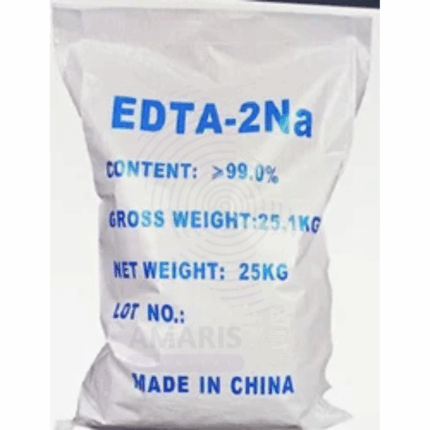
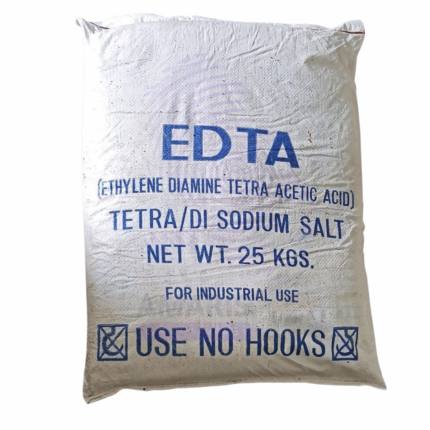
Disodium Salt (EDTA)
Disodium Salt (EDTA), (Ethylenediaminetetraacetic acid disodium salt) is a widely used chelating agent that binds metal ions to form stable complexes. It effectively sequesters divalent and trivalent metal ions such as calcium, magnesium, iron, and heavy metals, preventing their participation in unwanted chemical reactions. This property makes it essential in a wide range of industrial, pharmaceutical, cosmetic, agricultural, and water treatment applications. The disodium salt form offers excellent water solubility and is often used in neutral to slightly alkaline systems.
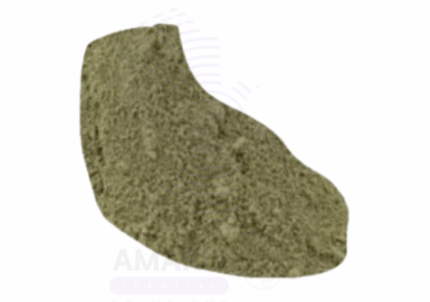
Ellagic Acid
Ellagic Acid is a naturally occurring polyphenolic compound found in numerous fruits, nuts, and vegetables such as pomegranates, strawberries, raspberries, walnuts, and cranberries. It is a potent antioxidant known for its ability to scavenge free radicals and chelate metal ions. Due to its significant anti-inflammatory, anti-carcinogenic, and anti-viral properties, Ellagic Acid has gained extensive interest in pharmaceutical, nutraceutical, cosmetic, and food industries. It appears as a yellow to light brown crystalline powder, insoluble in water but soluble in organic solvents like ethanol and DMSO.
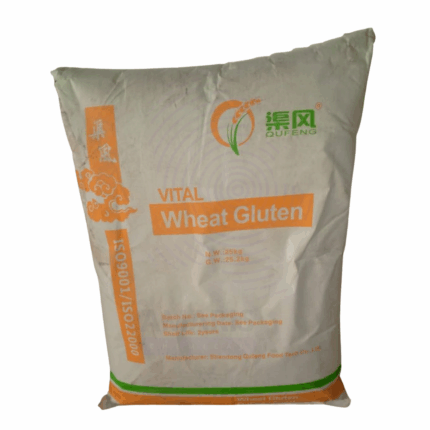
High Gluten Wheat Flour
High Gluten Wheat Flour is a finely milled powder derived from hard wheat varieties known for their high protein content, typically ranging from 12% to 14.5%. This flour has a superior gluten-forming capacity which imparts strong dough elasticity and excellent gas retention properties. It appears as an off-white to pale yellow powder with a neutral to slightly nutty aroma. High Gluten Wheat Flour is prized in baking industries and food manufacturing for producing products with enhanced chewiness, volume, and texture. It is essential for applications requiring strong dough structure and resilience.
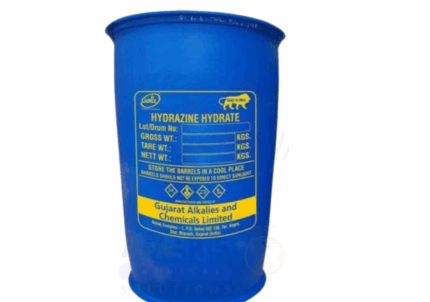
Hydrazine Food Grade
Hydrazine Food Grade is a high-purity form of hydrazine (N₂H₄), a highly reactive, colorless, and fuming liquid with a pungent ammonia-like odor. It is a powerful reducing agent and chemical intermediate widely used in industrial applications. The food-grade specification ensures purity and controlled impurity levels suitable for limited and specialized food industry uses, primarily as a processing aid or sterilizing agent. Hydrazine exhibits strong nucleophilic and reducing properties, enabling various chemical transformations and sterilization processes.
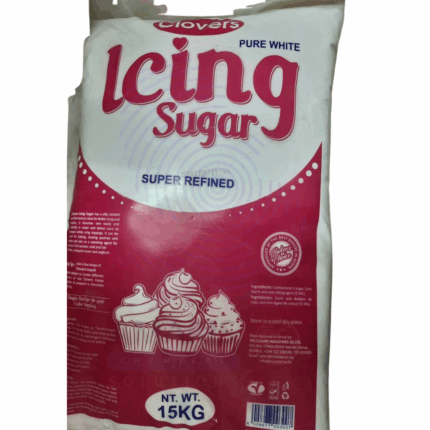
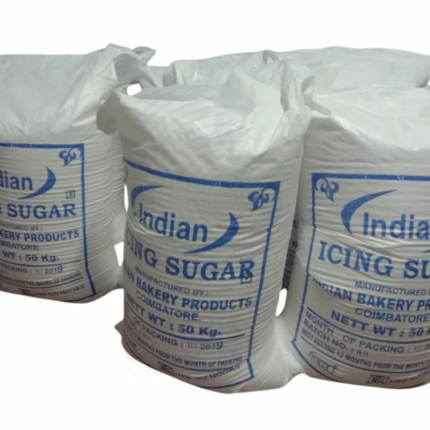
Icing Sugar
Icing Sugar, also known as powdered sugar or confectioners’ sugar, is a finely ground sugar with a powdery consistency. It is typically made by milling granulated sugar into a fine powder and blending it with a small amount of anti-caking agent (usually cornstarch or tricalcium phosphate) to prevent clumping. Icing Sugar is white, odorless, and has a sweet taste. It is widely used in baking, confectionery, and culinary applications to provide sweetness, texture, and decorative finishes.
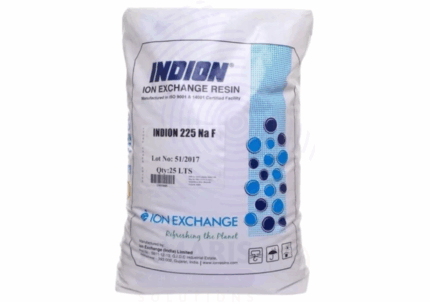
Indion Cation Resin
Indion Cation Resin is a synthetic ion exchange resin designed primarily for the removal of positively charged ions (cations) from water and various liquid streams. Typically composed of a sulfonated polystyrene-divinylbenzene (PS-DVB) copolymer, this resin features a highly porous bead structure with functional groups that exchange hydrogen or sodium ions for calcium, magnesium, iron, and other metallic cations. Available in different forms (strong acid cation, weak acid cation), Indion Cation Resin is widely used in water treatment, industrial processes, and purification systems.
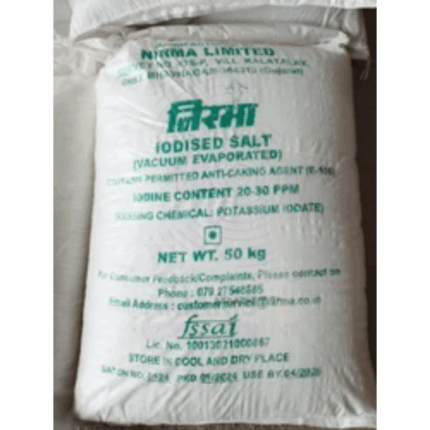
Iodised Salt
Iodised Salt is table salt (sodium chloride) fortified with a small, controlled amount of iodine, typically in the form of potassium iodate or potassium iodide. It appears as fine white crystalline granules, odorless, and with a characteristic salty taste. The addition of iodine helps prevent iodine deficiency disorders (IDD) such as goiter, mental impairment, and developmental abnormalities. Iodised Salt is widely used in households, food processing, and animal nutrition to ensure adequate dietary iodine intake.
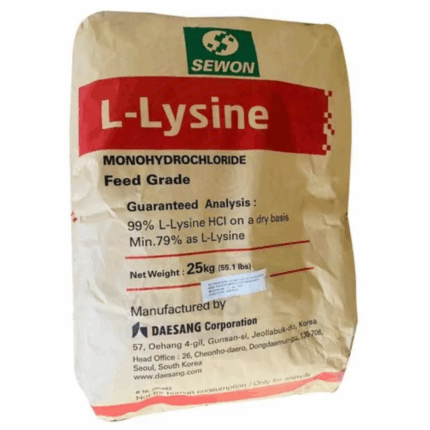
L-Lysine HCL Feed Grade
L-Lysine HCL Feed Grade is a highly pure form of the essential amino acid lysine combined with hydrochloric acid to improve its stability and solubility. It appears as a white crystalline powder and is widely used as a dietary supplement in animal feed to enhance growth, improve feed efficiency, and balance amino acid profiles. L-Lysine HCL is critical in poultry, swine, and aquaculture nutrition, helping to meet animals’ lysine requirements for protein synthesis and overall health.
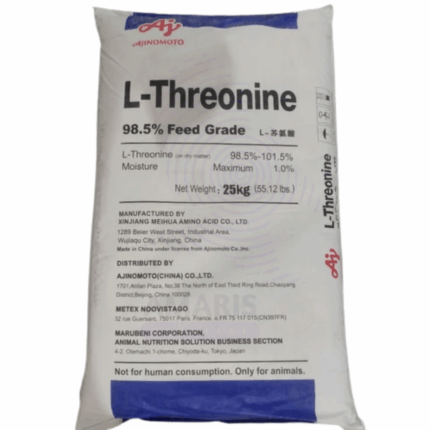
L-Threonine Feed Grade
L-Threonine Feed Grade is a high-purity essential amino acid used primarily as a nutritional supplement in animal feed. It appears as a white crystalline powder and is vital for protein synthesis, growth, and overall health in livestock. This feed-grade form of L-Threonine helps balance amino acid profiles in animal diets, especially in monogastric animals like poultry and swine, improving feed efficiency and production performance.
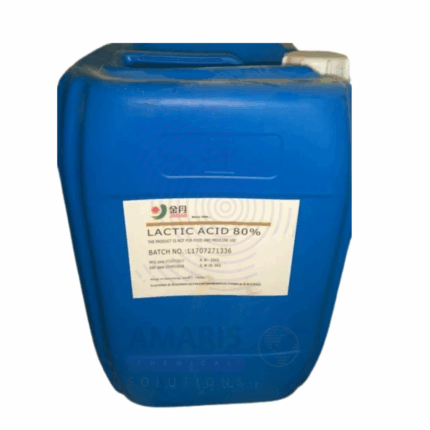
Lactic Acid
Lactic Acid is a colorless to pale yellow, viscous liquid with a mild acidic odor. It is an organic acid naturally produced by fermentation and widely used in industrial, pharmaceutical, cosmetic, and food applications. The 80% concentration provides a balance of potency and ease of handling, making it suitable for pH adjustment, preservation, and chemical synthesis. Lactic acid is biodegradable, non-toxic, and valued for its multifunctionality including antimicrobial properties and chelation abilities.
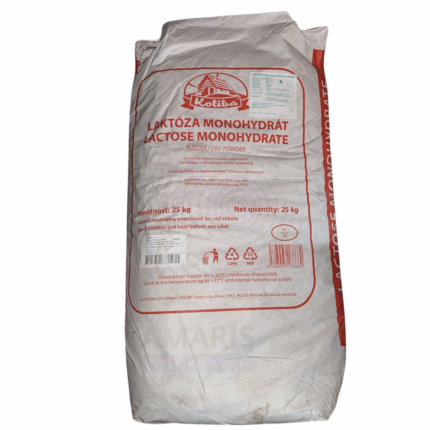
Lactose Monohydrate 200 Mesh
Lactose Monohydrate 200 Mesh is a fine, white, crystalline powder derived from milk sugar with a particle size of 200 mesh, indicating very fine granules. It is widely used in pharmaceutical, food, and confectionery industries as a filler, binder, and stabilizer. Lactose Monohydrate is valued for its excellent compressibility, low hygroscopicity, and compatibility with many active pharmaceutical ingredients (APIs). The monohydrate form contains one molecule of water, enhancing its stability and flow properties.
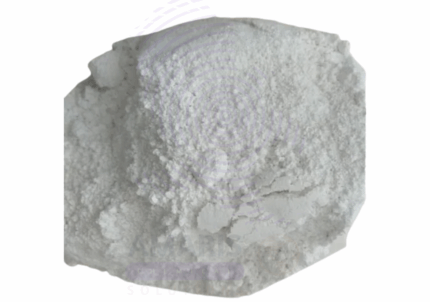
Mebendazole USP ( Micronized white)
Mebendazole USP (Micronized White) is a pharmaceutical-grade anthelmintic agent used for the treatment of parasitic worm infections. The micronized white powder form offers enhanced bioavailability and better dispersion in pharmaceutical formulations. It is effective against a broad spectrum of intestinal parasites including roundworms, whipworms, hookworms, and pinworms. Mebendazole is commonly used in oral tablet and suspension preparations, ensuring efficient parasite eradication with minimal side effects.
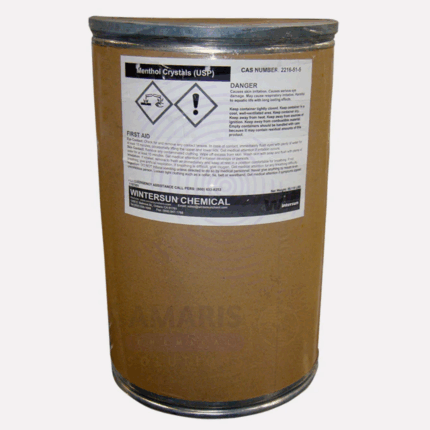
Menthol crystals
Menthol Crystals are natural organic compounds derived from peppermint or other mint oils, presenting as clear or white crystalline solids with a strong, cooling mint aroma. They possess analgesic, antiseptic, and flavoring properties. Widely used in pharmaceuticals, cosmetics, food, and personal care products, menthol crystals provide a refreshing cooling sensation and fragrance, enhancing product efficacy and consumer appeal.
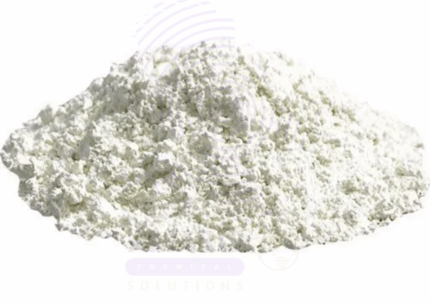
Mepyramine Maleate BP
Mepyramine Maleate BP is an antihistamine drug commonly used to relieve allergic symptoms such as hay fever, urticaria, and other allergic reactions. It works by blocking histamine H1 receptors, reducing allergic responses like itching, swelling, and redness. This compound is a white or off-white crystalline powder, soluble in water and alcohol, widely used in pharmaceutical formulations including tablets, creams, and injectables.
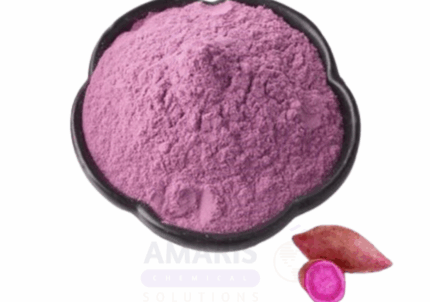
Natural Sweet Potatoes Extract
Natural Sweet Potatoes Extract is a concentrated substance derived from the roots of sweet potatoes (Ipomoea batatas) through processes such as solvent extraction, freeze-drying, or spray drying. Rich in antioxidants, vitamins (especially vitamin A and C), minerals, and natural pigments like beta-carotene and anthocyanins, this extract is valued for its nutritional benefits and vibrant natural color. It is widely used in food, beverage, nutraceutical, cosmetic, and pharmaceutical applications for its health-promoting and coloring properties.
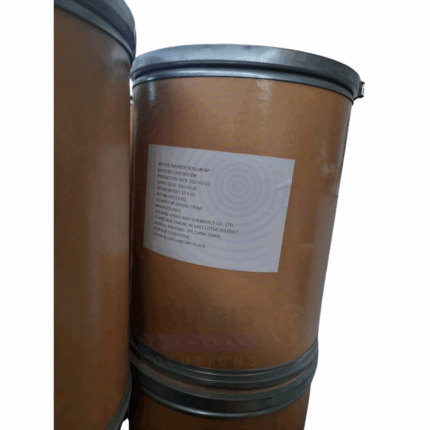
Methlyl Paraben Sodium BP
Methlyl Paraben Sodium BP is the sodium salt form of methyl paraben, a widely used preservative in pharmaceuticals, cosmetics, and food products. It exhibits excellent antimicrobial properties, particularly against molds, yeasts, and some bacteria, extending the shelf life and safety of formulations. It is a white to off-white crystalline powder, highly soluble in water, and stable across a range of pH levels.
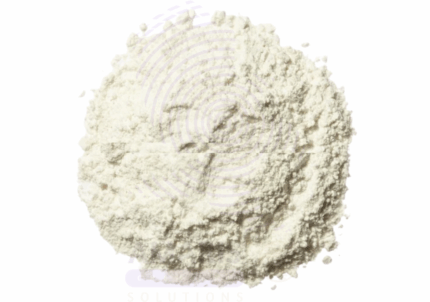
Neomycin Sulphate BP Oral
Neomycin Sulphate BP Oral is an aminoglycoside antibiotic derived from Streptomyces fradiae. It is used primarily for treating infections caused by susceptible aerobic gram-negative and some gram-positive bacteria. The oral form is especially utilized for intestinal antisepsis, to reduce bacterial flora before gastrointestinal surgery, or to treat hepatic encephalopathy by decreasing ammonia-producing bacteria in the gut. It is available in powder or tablet form conforming to British Pharmacopoeia (BP) standards, ensuring high purity and efficacy.
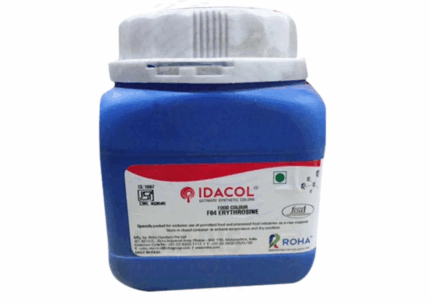
Erythrosine
Erythrosine is a high-purity red synthetic dye classified as a tetraiodofluorescein salt, commonly used as a colorant in food, cosmetics, pharmaceuticals, and industrial applications. It is a water-soluble, dark red to reddish-brown powder with excellent tinting strength and brightness. Erythrosine is valued for its vivid red color, good stability under normal conditions, and compatibility with a variety of formulation systems. It is widely used to impart red hues in candies, beverages, cosmetics, and diagnostic reagents.
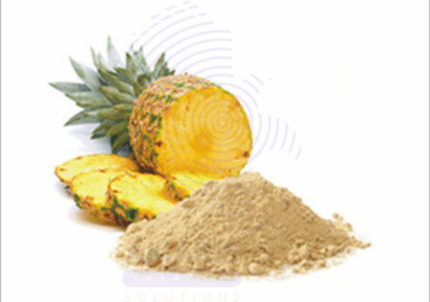
Pineapple Enzyme Powder
Pineapple Enzyme Powder is a fine, light-colored powder derived from the fruit and stem of the pineapple (Ananas comosus), containing the proteolytic enzyme bromelain. It is produced via extraction and subsequent drying (usually spray or freeze-drying) to preserve enzymatic activity. Known for its protein-digesting, anti-inflammatory, and exfoliating properties, this enzyme is widely used across food, nutraceutical, cosmetic, and pharmaceutical industries.
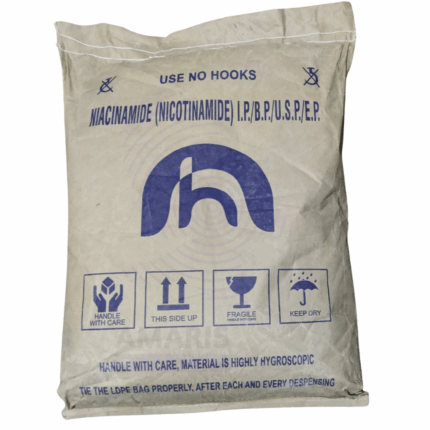
Nicotinamide BP
Nicotinamide BP, also known as niacinamide, is a water-soluble form of vitamin B3 (niacin). It is a vital nutrient involved in numerous cellular processes, including energy metabolism, DNA repair, and antioxidant activity. Widely used in pharmaceutical, cosmetic, and nutritional applications, Nicotinamide supports skin health, improves barrier function, and exhibits anti-inflammatory properties. It is commonly found in dietary supplements, skincare formulations, and medical treatments for various dermatological conditions.
Piperazine Citrate BP
Piperazine Citrate BP is a pharmaceutical-grade anthelmintic compound used primarily for the treatment of intestinal worm infections, especially ascariasis (roundworms) and enterobiasis (pinworms). It works by paralyzing the worms, allowing them to be expelled naturally from the body through bowel movements. Piperazine Citrate is included in the British Pharmacopoeia (BP) and is known for its safety, efficacy, and wide use in both human and veterinary medicine.

Poly Aluminum Chloride (PAC)
Poly Aluminum Chloride (PAC) is an inorganic polymer coagulant used extensively for water treatment and purification. It is a highly efficient flocculating agent, derived from aluminum salts and partially neutralized with chloride, forming polymerized aluminum complexes. PAC is preferred over traditional alum for its rapid floc formation, broader pH range, and lower sludge production. Available in both liquid and powder forms, it is widely applied in municipal, industrial, and commercial sectors for clarification, separation, and purification processes.
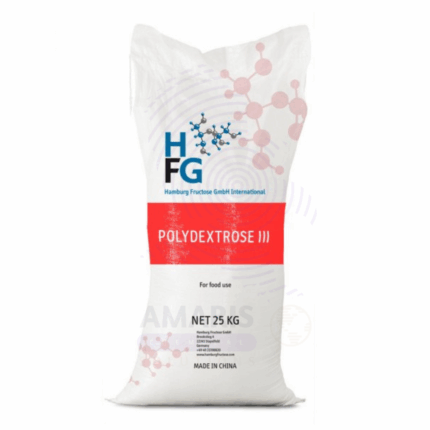
Polydextrose
Polydextrose is a synthetic, highly branched polymer of glucose used primarily as a soluble dietary fiber, bulking agent, and low-calorie sweetener. It is produced through the polycondensation of dextrose with sorbitol and citric acid. Polydextrose offers numerous health and functional benefits, such as improving texture, replacing sugar or fat, and supporting digestive health. It is extensively used in food, beverages, pharmaceuticals, and nutraceuticals for its fiber enrichment properties and technological versatility.

Methyl Salicylate BP
Methyl Salicylate BP is a clear, colorless to pale yellow oily liquid with a characteristic strong, sweet, and minty odor. It is an organic ester commonly used for its analgesic, anti-inflammatory, and flavoring properties. Methyl Salicylate is widely used in pharmaceutical preparations, topical pain relief products, cosmetics, and as a fragrance ingredient.
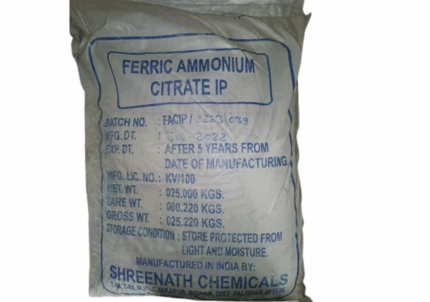
Ferric Ammonium Citrate
Ferric Ammonium Citrate is a dark green to black crystalline or granular inorganic compound composed of iron, ammonium ions, and citrate ions. It is a complex salt of citric acid with ferric iron (Fe³⁺) and ammonium. This compound is highly soluble in water, forming a greenish solution, and is widely utilized as a source of iron in various chemical, pharmaceutical, photographic, and food applications. It acts as a mild oxidizing agent and an iron supplement, valued for its bioavailability and ease of incorporation into formulations. Ferric Ammonium Citrate is typically available in different formulations distinguished by their water and ammonium content, such as green and brown types.
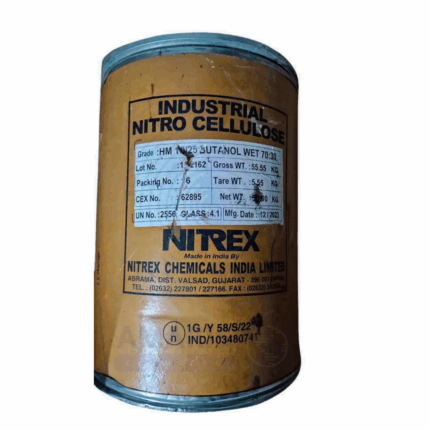
Nitro Cellulose
Nitro Cellulose is a highly flammable compound produced by nitrating cellulose through exposure to nitric acid and sulfuric acid. It is a versatile material widely used in coatings, lacquers, explosives, and propellants due to its film-forming properties and rapid drying capability. Nitro Cellulose is available in various grades depending on the nitrogen content and viscosity, making it suitable for industrial, commercial, and military applications.
Polyglycerol-10-Laurate
Polyglycerol-10-Laurate is a non-ionic, biodegradable surfactant and emulsifier derived from natural lauric acid and polyglycerol (with ten glycerol units). It is known for its excellent emulsifying, dispersing, and solubilizing properties, especially in oil-in-water systems. Commonly used in cosmetics, food, pharmaceuticals, and personal care products, it is valued for being mild, non-toxic, and suitable for sensitive applications, including baby care and oral care.
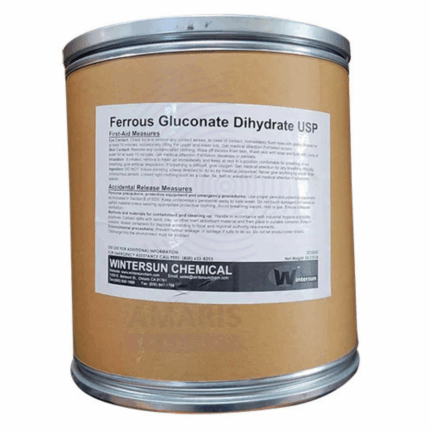
Ferrous Gluconate
Ferrous Gluconate is an iron salt of gluconic acid, appearing as a pale greenish-blue or green crystalline powder or granules. It is widely used as a nutritional iron supplement and food additive due to its good bioavailability and relatively low toxicity compared to other iron salts. Ferrous Gluconate is water-soluble, providing a stable source of ferrous iron (Fe²⁺) that is easily absorbed in the gastrointestinal tract. This compound is commonly employed in pharmaceuticals, food fortification, and medical formulations to treat or prevent iron deficiency anemia. It is also used as a reducing agent and color stabilizer in various industrial applications.












