

 Preservatives(food)
 Flavor Enhancers
 Acidulants
 Sweeteners
 Antioxidants
 Colorants(food)
 Nutraceutical Ingredients (food)
 Nutrient Supplements
 Emulsifiers
 Collectors
 Dust Suppressants
 Explosives and Blasting Agents
 Flocculants and Coagulants
 Frothers
 Leaching Agents
 pH Modifiers
 Precious Metal Extraction Agents
 Antioxidants(plastic)
 Colorants (Pigments, Dyes)
 Fillers and Reinforcements
 Flame Retardants
 Monomers
 Plasticizers
 Polymerization Initiators
 Stabilizers (UV, Heat)
 Antifoaming Agents
 Chelating Agents
 Coagulants and Flocculants
 Corrosion Inhibitors
 Disinfectants and Biocides
 Oxidizing Agents
 pH Adjusters
 Scale Inhibitors( water)
 Antioxidants(cosmetic)
 Emollients
 Fragrances and Essential Oils
 Humectants
 Preservatives
 Surfactants(cosmetic)
 Thickeners
 UV Filters
 Fertilizers
 Soil Conditioners
 Plant Growth Regulators
 Animal Feed Additives
 Biostimulants
 Pesticides (Herbicides, Insecticides, Fungicides)
 Active Pharmaceutical Ingredients (APIs)
 Excipients
 Solvents(pharmaceutical)
 Antibiotics
 Antiseptics and Disinfectants
 Vaccine Adjuvants
 Nutraceutical Ingredients (pharmaceutical)
 Analgesics & Antipyretics
 Analytical Reagents
 Solvents(lab)
 Chromatography Chemicals
 Spectroscopy Reagents
 microbiology-and-cell-culture-reagents
 Molecular Biology Reagents
 Biochemical Reagents
 Inorganic and Organic Standards
 Laboratory Safety Chemicals
 Specialty Laboratory Chemicals(Special Laboratory Equipment)
 Demulsifiers
 Hydraulic Fracturing Fluids
 Scale Inhibitors(oil)
 Surfactants(oil)
 Drilling Fluids
 Dyes and Pigments
 Bleaching Agents
 Softening Agents
 Finishing Agents
 Antistatic Agents
 Admixtures
 Waterproofing Agents
 Sealants and Adhesives
 Curing Compounds
 Concrete Repair Chemicals
 Anti-Corrosion Coatings
 Surfactants(cleaning)
 Builders
 Enzymes
 Solvents (Cleaning)
 Fragrances
 Electronic Chemicals
 Catalysts
 Lubricants
 Photographic Chemicals
 Refrigerants
 Automotive chemicals
 Pyrotechnic Chemicals
 Biodegradable Surfactants
 Bio-based Solvents
 Renewable Polymers
 Carbon Capture Chemicals
 Wastewater Treatment Chemicals
 Pigments
 Solvents(paint)
 Specialty Coatings
 Binders/Resins
 Additives
 Driers
 Anti-Corrosion Agents
 Functional Coatings
 Application-Specific Coatings
 Leavening Agents
 Dough Conditioners
 Flour Treatments
 Fat Replacers
 Decoratives
 Preservatives(baking)
 Plasticizers & Softeners
 Reinforcing Agents
 Adhesion Promoters
 Vulcanizing Agents
 Antidegradants
 Blowing Agents
 Fillers & Extenders
 Accelerators & Retarders













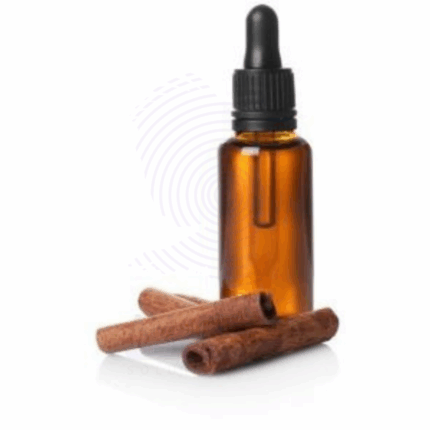
Sandalwood Oil
Sandalwood Oil is a premium-grade essential oil extracted primarily from the heartwood of the Santalum album tree, native to India, Indonesia, and Australia. Obtained through steam distillation, this oil is renowned for its rich, woody, creamy, and long-lasting aroma with subtle balsamic and sweet undertones. Its therapeutic properties are largely attributed to its high santalol content, particularly alpha- and beta-santalol, which provide anti-inflammatory, antimicrobial, and calming effects.
Sandalwood Oil has been revered in traditional medicine, spiritual rituals, and perfumery for centuries. Today, it is widely used in cosmetics, aromatherapy, personal care products, and high-end fragrances. Its grounding and meditative qualities make it a popular ingredient in mindfulness formulations, skincare treatments, and luxurious spa products.
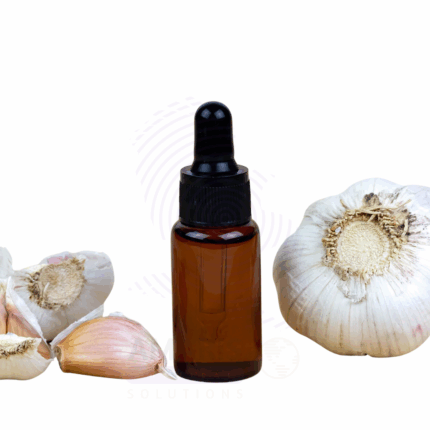
Garlic Oil
Garlic Oil is a potent essential oil extracted from the bulbs of the Allium sativum plant, primarily through steam distillation or solvent extraction. Known for its strong, pungent aroma and rich sulfur-containing compounds such as allicin, diallyl disulfide, and ajoene, Garlic Oil is widely recognized for its antimicrobial, antifungal, antiviral, and antioxidant properties. Traditionally used in herbal medicine, it has applications in pharmaceuticals, natural personal care products, food flavoring, and agricultural pest management. Its therapeutic properties also make it a valuable ingredient in formulations aimed at cardiovascular health and immune system support.
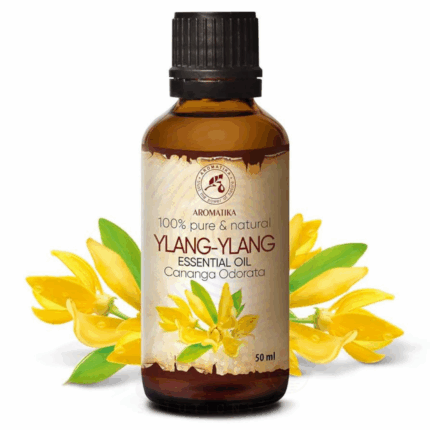
Ylang Ylang Oil
Ylang Ylang Oil is a luxurious essential oil obtained through steam distillation of the fresh flowers of Cananga odorata, a tropical tree native to Southeast Asia. Known for its rich, sweet, floral, and exotic fragrance with hints of jasmine and neroli, this oil is highly prized in perfumery and aromatherapy. Its chemical composition includes benzyl acetate, linalool, and germacrene D, contributing to its calming, aphrodisiac, antiseptic, and anti-inflammatory properties. Traditionally used in beauty rituals and wellness therapies, Ylang-Ylang Oil supports emotional balance, skin health, and relaxation. It is widely utilized in cosmetics, personal care, spa treatments, and high-end fragrances.
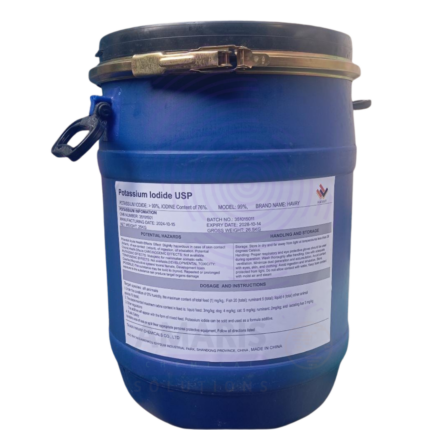
Potassium Iodide USP
Potassium Iodide USP is a high-purity inorganic halogenated salt that meets the strict quality and purity standards of the United States Pharmacopeia (USP). It appears as white crystalline granules or powder, is odorless, and has a characteristic saline taste. This pharmaceutical-grade compound is valued for its ability to act as a source of iodide ions, its high solubility in water, and its stability when properly stored. It is slightly hygroscopic and may become yellow upon prolonged exposure to air due to liberation of iodine, with light and moisture accelerating decomposition, requiring careful packaging and storage. Potassium Iodide USP is manufactured under current Good Manufacturing Practices (cGMP) and is suitable for human pharmaceutical applications, nutritional supplements, and other uses requiring the highest purity standards.
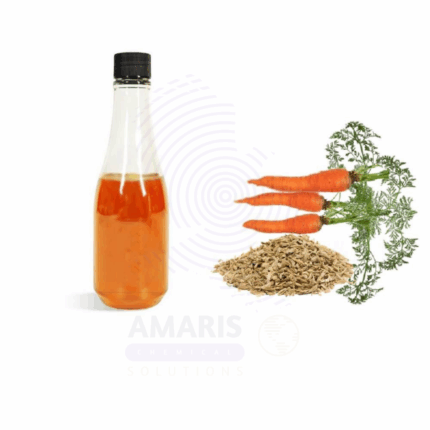
Carrot Seed Oil
Carrot Seed Oil is a highly concentrated essential oil extracted via steam distillation from the dried seeds of the wild carrot plant (Daucus carota). It should not be confused with carrot carrier oil (infused from the root). Carrot Seed Oil is rich in carotol, a key component contributing to its antioxidant, antifungal, and anti-aging effects. The oil is pale yellow to amber-colored and has a warm, earthy, herbaceous aroma.
Widely recognized for its skin-rejuvenating and detoxifying benefits, Carrot Seed Oil is a staple in cosmetic formulations, particularly for mature or sun-damaged skin. It also finds use in pharmaceuticals and aromatherapy, supporting liver function, immunity, and cell regeneration. Due to its potency, it is typically used in diluted concentrations or synergistic blends.
Tea Tree Oil
Tea Tree Oil is a potent essential oil steam-distilled from the leaves of Melaleuca alternifolia, a native Australian plant known for its broad antimicrobial spectrum. It features a fresh, medicinal, camphoraceous aroma with herbal and slightly spicy undertones. Rich in terpinen-4-ol, gamma-terpinene, and alpha-terpinene, Tea Tree Oil is celebrated for its antibacterial, antifungal, antiviral, and anti-inflammatory properties. It has a long history of use in traditional and modern natural medicine, skincare, and hygiene products worldwide.
Rose Oil
Rose Oil, also known as Rosa Damascena Oil, is a highly valued essential oil extracted primarily through steam distillation of the petals of the Rosa damascena flower. Renowned for its rich, floral, and intoxicating aroma, Rose Oil is cherished in perfumery, cosmetics, and therapeutic applications. It contains key compounds like citronellol, geraniol, and nerol, which contribute to its soothing, anti-inflammatory, and antiseptic properties. Rose Oil is widely used for skin rejuvenation, mood enhancement, and as a luxurious fragrance component, making it an essential ingredient in high-end skincare and aromatherapy products.
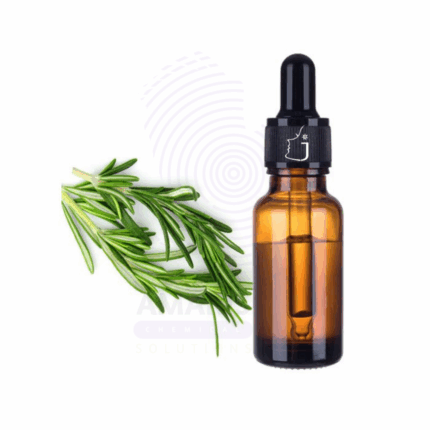
Rosemary Oil
Rosemary Oil is an essential oil extracted through steam distillation from the leaves and flowering tops of the Rosmarinus officinalis plant. It possesses a fresh, herbaceous, and slightly woody aroma. Rich in cineole, camphor, and α-pinene, Rosemary Oil is widely valued for its stimulating, antioxidant, and antimicrobial properties. It is extensively used in aromatherapy, cosmetics, pharmaceuticals, and natural personal care products. Rosemary Oil promotes scalp health, enhances hair growth, supports respiratory function, and is used in massage blends to invigorate the body and mind.
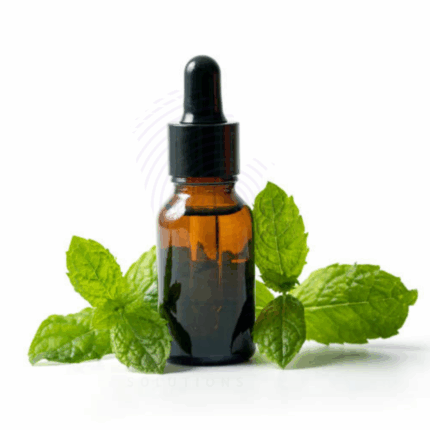
Peppermint Oil
Peppermint Oil is a refreshing essential oil obtained by steam distillation of the leaves and flowering tops of the Mentha × piperita plant. Renowned for its sharp, cool, and invigorating menthol aroma, it contains high levels of menthol and menthone, which contribute to its cooling, analgesic, and antimicrobial effects. Peppermint Oil is widely used across aromatherapy, pharmaceuticals, personal care, food flavoring, and cleaning products. Its stimulating and soothing properties make it popular for relieving headaches, muscle pain, digestive issues, and respiratory problems, while also adding a fresh scent to many formulations.
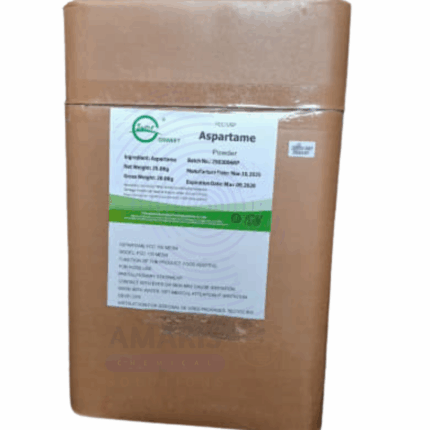
Aspartame
Aspartame is a low-calorie artificial sweetener approximately 200 times sweeter than sucrose (table sugar). It is a methyl ester of the dipeptide composed of aspartic acid and phenylalanine. Due to its intense sweetness and low-calorie nature, aspartame is widely used as a sugar substitute in various food and beverage products. It is popular among consumers seeking to reduce caloric intake, especially diabetics and those on weight management programs. Aspartame breaks down at high temperatures, limiting its use in certain cooking or baking applications. It is approved by numerous global food safety authorities, including the FDA and EFSA.
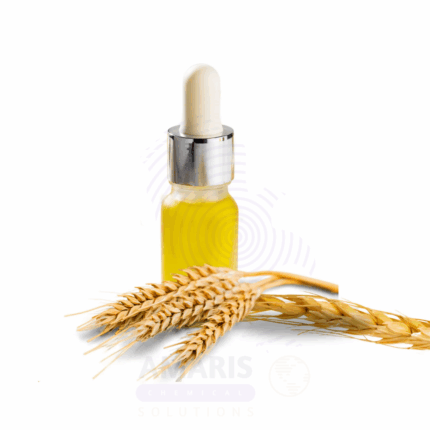
Wheatgerm Oil
Wheatgerm Oil is a nutrient-rich, golden-colored oil extracted from the germ of the wheat kernel (Triticum vulgare), typically through cold pressing or solvent extraction. It is exceptionally high in vitamin E, essential fatty acids (especially linoleic and linolenic acid), squalene, phytosterols, and antioxidants, making it one of the most potent natural oils for skin and hair rejuvenation. With its slightly nutty aroma and viscous texture, Wheatgerm Oil is widely used in cosmetic, pharmaceutical, nutraceutical, and aromatherapy applications for its antioxidant, anti-aging, moisturizing, and healing benefits.
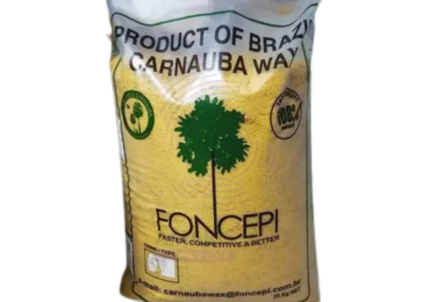
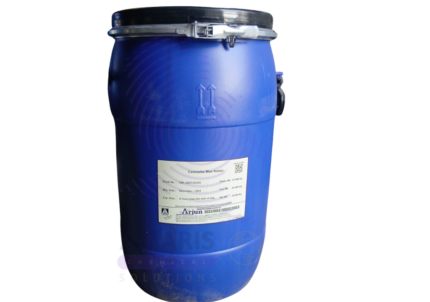
Carnauba Wax Prime Yellow
Carnauba Wax Prime Yellow, also known as Type 1 or Prime Yellow Grade, is the highest quality and purest form of carnauba wax derived from the leaves of the Copernicia cerifera palm tree, native to Brazil. It is a natural, vegetable-based wax prized for its exceptional hardness, high gloss, high melting point, and emulsification properties. Prime Yellow grade represents the finest classification, characterized by its light yellow to pale amber color, low impurities, and superior film-forming characteristics. It is obtained through a meticulous process of harvesting, drying, and processing the palm leaves to extract the waxy coating, which is then refined and graded. Carnauba Wax is often referred to as the "Queen of Waxes" due to its unique combination of properties unmatched by synthetic alternatives. Technical grade Carnauba Wax Prime Yellow is used across numerous industries for its ability to impart gloss, hardness, slip resistance, and moisture barrier properties. It is not intended for direct food consumption but is widely used in food-contact applications such as coatings and packaging.
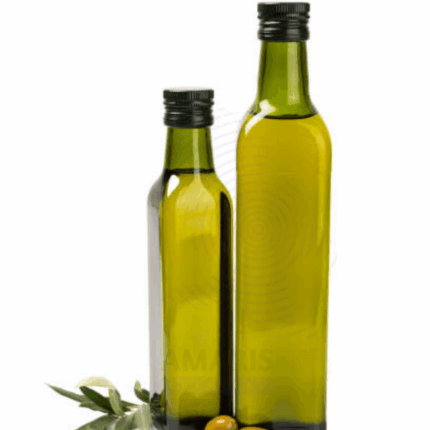
Olive Oil Virgin
Olive Oil Virgin is a natural oil obtained from the first cold pressing of olives without the use of chemicals or excessive heat, preserving its rich flavor and nutritional qualities. It is characterized by a fruity aroma and a balanced taste, containing high levels of monounsaturated fatty acids, particularly oleic acid, as well as antioxidants such as polyphenols and vitamin E. Virgin olive oil is widely valued for its health benefits, culinary versatility, and skin conditioning properties. It is extensively used in food preparation, cosmetic formulations, and pharmaceutical applications, offering moisturizing, antioxidant, and anti-inflammatory effects.
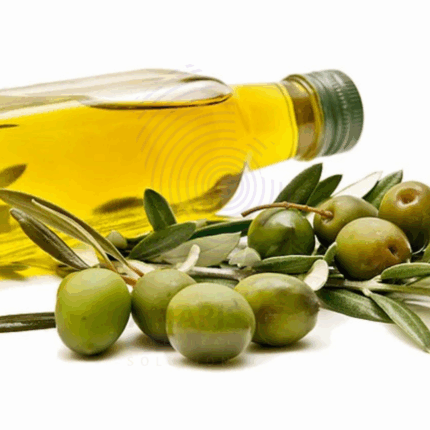
Olive Oil Pomace
Olive Oil Pomace is a refined oil extracted from the olive pulp, skin, and pits after the first pressing. It is a lower-cost olive oil variant with a mild flavor and good stability. Rich in monounsaturated fatty acids, particularly oleic acid, and antioxidants like vitamin E and polyphenols, pomace olive oil offers nutritional benefits and excellent oxidative stability. It is widely used in culinary, cosmetic, pharmaceutical, and industrial applications due to its moisturizing properties and mild aroma. Pomace olive oil is favored in formulations where a lighter olive aroma is desired, and it also serves as a base oil in soap making, skincare, and massage oils.
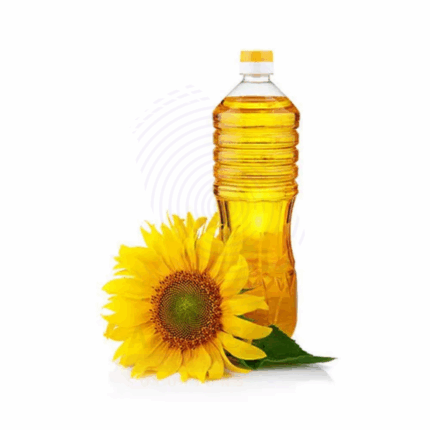
Sunflower Oil
Sunflower Oil is a versatile vegetable oil extracted from the seeds of Helianthus annuus, native to North America but now cultivated globally. It is commonly obtained through cold pressing or refining and is valued for its light texture, neutral scent, and high content of essential fatty acids—particularly linoleic and oleic acids—as well as natural tocopherols (vitamin E). With excellent antioxidant, emollient, and anti-inflammatory properties, Sunflower Oil is widely used in food products, skincare formulations, hair care, massage therapies, and pharmaceutical preparations. Its ability to nourish and protect the skin barrier makes it a key ingredient across both wellness and industrial markets.
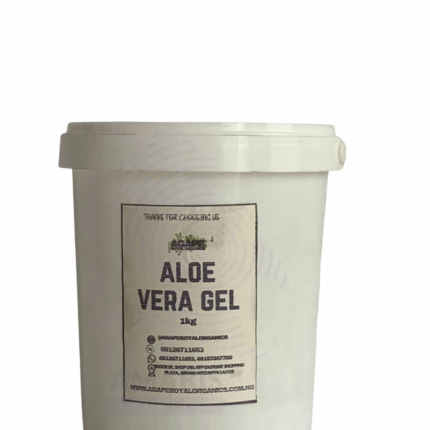
Aloe Vera Gel
Aloe Vera Gel is a clear, jelly-like substance extracted from the inner leaf of the Aloe vera plant. It is widely used in skincare for its soothing, hydrating, and healing properties. Rich in vitamins (especially A, C, and E), enzymes, and amino acids, Aloe Vera Gel is commonly applied to treat sunburns, minor cuts, skin irritation, and dryness. It also has mild anti-inflammatory and antibacterial effects, making it a popular natural remedy in both cosmetic and medicinal products.
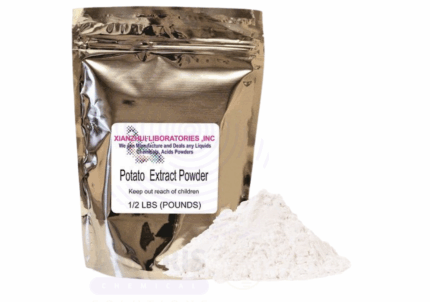
African Potato Extract
African Potato Extract is derived from the plant Hypoxis hemerocallidea, a medicinal plant native to southern Africa. It is commonly used in traditional African medicine for its anti-inflammatory, antioxidant, and immune-boosting properties. The active compound in the extract is hypoxoside, which is converted in the body to rooperol, a potent antioxidant. African Potato Extract is often used as a complementary treatment for conditions like arthritis, prostate issues, and certain infections, though scientific evidence on its effectiveness is still limited.
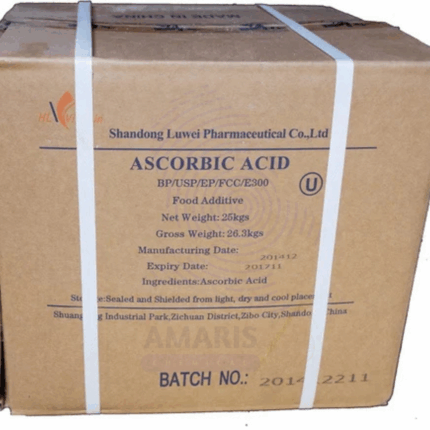
Ascorbic Acid
Ascorbic Acid, commonly known as Vitamin C, is a water-soluble vitamin and potent antioxidant essential for collagen synthesis, immune function, and protection against oxidative stress. It is widely used as a nutritional supplement, food preservative, and additive to enhance shelf life and nutritional value. Naturally present in citrus fruits and various vegetables, ascorbic acid is also important in pharmaceutical, cosmetic, and animal feed industries due to its health benefits and preservative qualities.
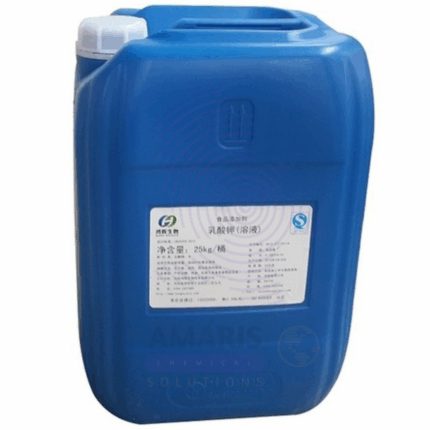
Ammonium Lactate
Ammonium Lactate is the ammonium salt of lactic acid, appearing as a clear, hygroscopic liquid or syrupy solution. It is widely used in pharmaceutical, cosmetic, and food industries primarily for its moisturizing, pH adjusting, and antimicrobial properties. In topical formulations, it acts as a keratolytic agent to help exfoliate and hydrate skin, making it popular in treatments for dry, scaly, or ichthyotic skin conditions. Its biocompatibility and mild acidic nature make it a versatile ingredient in various industrial and personal care products.
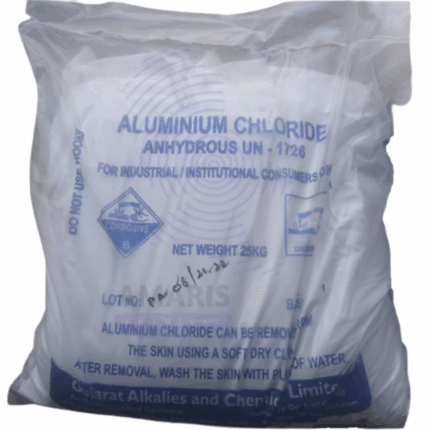
Anhydrous Aluminum Chloride
Anhydrous Aluminum Chloride (AlCl₃) is a white to pale yellow crystalline solid known for its strong Lewis acid properties. It is a key catalyst widely used in organic synthesis, especially in Friedel-Crafts alkylation and acylation reactions. Due to its high reactivity with moisture, it must be stored and handled under strictly anhydrous conditions. Anhydrous Aluminum Chloride also finds applications in polymerization, pharmaceuticals, and the production of dyes, pharmaceuticals, and petrochemicals.
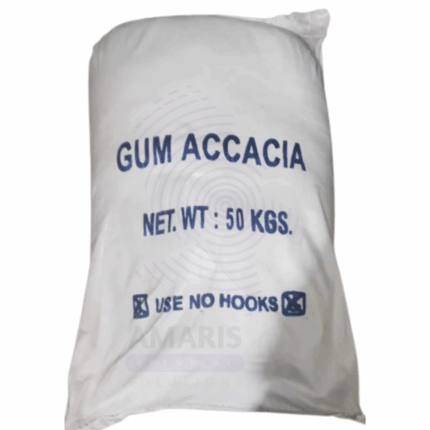
Arabic Gum
Arabic Gum, also known as Gum Acacia, is a natural gum harvested from the sap of Acacia trees, primarily Acacia senegal and Acacia seyal. It is a complex mixture of polysaccharides and glycoproteins, valued for its excellent emulsifying, stabilizing, and thickening properties. Arabic Gum is water-soluble, forms clear solutions, and is widely used in the food industry as a stabilizer and emulsifier. Additionally, it finds applications in pharmaceuticals, cosmetics, and printing industries due to its biodegradability, non-toxicity, and versatility.
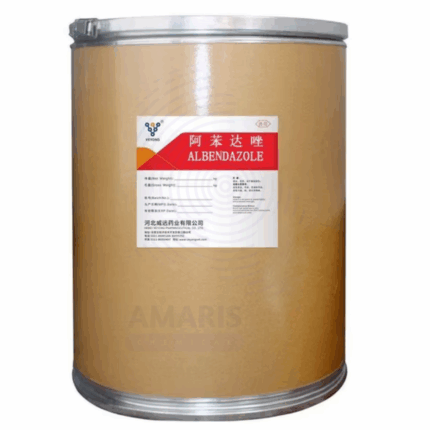
Albendazole Raw Material
Albendazole Raw Material is a broad-spectrum benzimidazole anthelmintic drug substance used as the active pharmaceutical ingredient (API) in human and veterinary medicine. This white to off-white crystalline powder exhibits potent activity against a wide range of parasitic worms including nematodes, cestodes, and trematodes. As a raw material, it meets pharmacopeial standards (USP/EP) with typical purity ≥99.0%. Albendazole works by selectively binding to parasite β-tubulin, inhibiting microtubule polymerization and causing energy depletion in helminths.
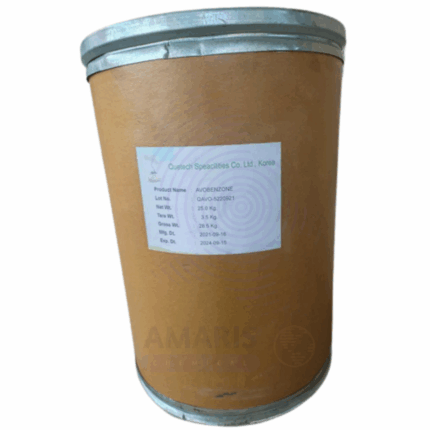
Avobenzone
Avobenzone (chemical name: Butyl Methoxydibenzoylmethane) is an oil-soluble organic compound widely used as a UVA filter in sunscreen formulations. It is valued for its ability to absorb a broad spectrum of ultraviolet A (UVA) rays (320–400 nm), protecting the skin from premature aging and damage caused by sun exposure. Avobenzone is often combined with other UV filters to provide broad-spectrum sun protection. It is a pale yellow liquid or crystalline powder, soluble in oils and alcohols but unstable in sunlight unless stabilized with other agents.
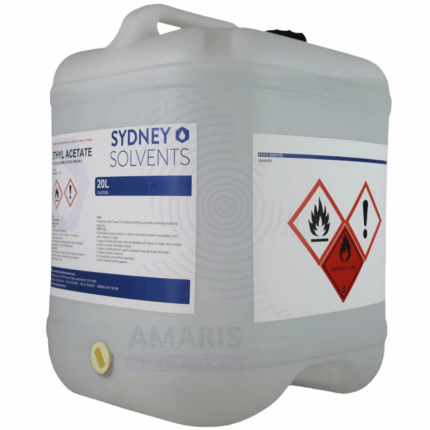
Ethyl Acetate
Ethyl Acetate is a clear, colorless, volatile organic solvent with a characteristic sweet, fruity odor reminiscent of pear drops. It is an ester formed by the condensation of ethanol and acetic acid. Known for its excellent solvency, low toxicity, and rapid evaporation rate, Ethyl Acetate is widely used as a solvent in coatings, adhesives, inks, pharmaceuticals, and chemical synthesis. It is miscible with most organic solvents and partially soluble in water. Ethyl Acetate offers high volatility, making it ideal for quick-drying formulations.
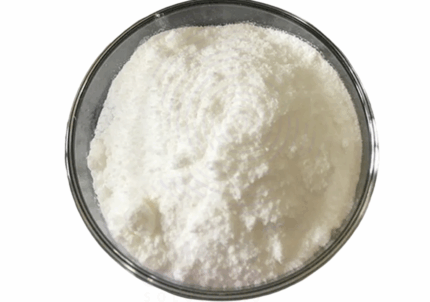
Aminosidine Sulphate
Aminosidine Sulphate USP, also known as Paromomycin Sulphate, is an aminoglycoside antibiotic primarily used to treat parasitic infections and certain bacterial infections. It is a white or off-white crystalline powder, highly soluble in water, and typically administered orally or topically. It works by inhibiting protein synthesis in susceptible microorganisms, thereby exerting a bactericidal and antiparasitic effect. Aminosidine Sulphate is commonly employed in treating intestinal amoebiasis, leishmaniasis, and infections caused by gram-negative bacteria. Its inclusion in the United States Pharmacopeia (USP) signifies compliance with strict quality and purity standards for pharmaceutical use.
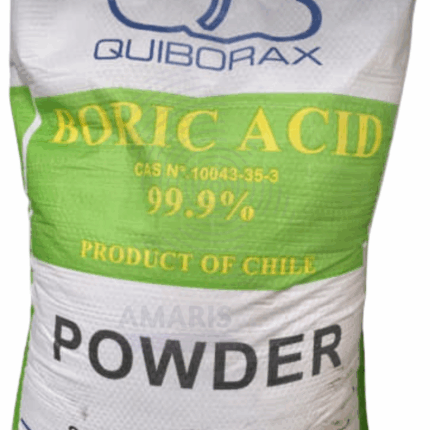
Boric Acid
Boric Acid, chemically known as hydrogen borate or boracic acid, is a weak, monobasic Lewis acid of boron. It appears as a white, crystalline powder or granules that are odorless and slightly soluble in water. Boric Acid is commonly used in antiseptics, insecticides, flame retardants, and as a buffering agent in various industrial and pharmaceutical applications. Due to its mild antiseptic and antifungal properties, it is often used in ophthalmic, dermatologic, and other personal care formulations. It also plays a key role in glass and ceramics manufacturing as well as in agriculture.
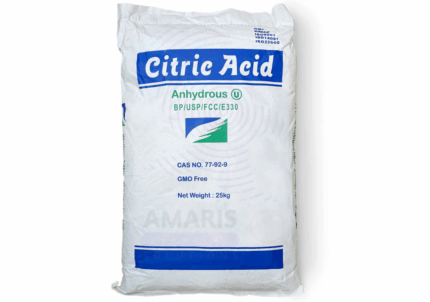
Citric Acid Anhydrous
Citric Acid Anhydrous is a white, crystalline organic acid widely used across food, pharmaceutical, cosmetic, and industrial sectors. It is the anhydrous form of citric acid, meaning it contains no water molecules in its crystal lattice, resulting in higher purity and more concentrated acidic properties compared to its monohydrate form. Derived from natural sources like citrus fruits or produced via microbial fermentation, citric acid anhydrous is valued for its sour taste, excellent chelating ability, and buffering capacity. It serves as a natural preservative, pH adjuster, antioxidant synergist, and cleaning agent, making it a versatile ingredient in many formulations.
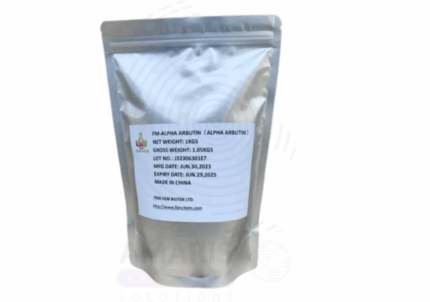
Alpha Arbutin
Alpha Arbutin is a biosynthetic active ingredient derived from hydroquinone and glucose. It is widely used in cosmetic and skincare formulations for its skin-brightening and spot-reducing properties. Alpha Arbutin inhibits tyrosinase, an enzyme involved in melanin production, thereby helping to reduce pigmentation, dark spots, and uneven skin tone. It is more stable and effective than its beta counterpart and is suitable for all skin types, including sensitive skin.
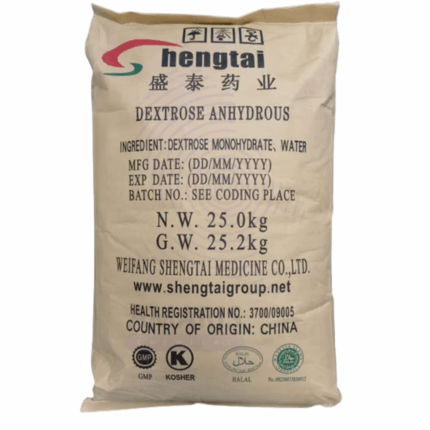
Dextrose Anhydrous BP Injectable
Dextrose Anhydrous BP Injectable is a sterile, highly purified crystalline form of glucose that serves as a critical energy source in intravenous therapy. It is widely used in parenteral nutrition, rehydration, and hypoglycemia management. The anhydrous form contains no water, allowing precise control of concentration in injectable solutions. Meeting British Pharmacopoeia (BP) standards, it ensures pharmaceutical-grade purity and sterility, suitable for direct injection or as a component in compounded IV fluids. It provides readily available carbohydrates metabolized to supply energy, regulate osmolarity, and maintain fluid-electrolyte balance in clinical care.
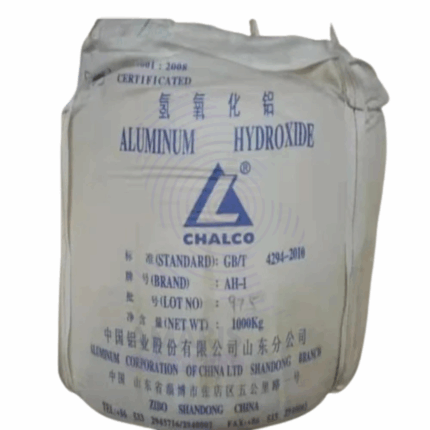
Aluminum hydroxide
Aluminum Hydroxide, chemically known as Al(OH)₃, is a white, odorless, and odorless powder or gelatinous substance. It is widely used in pharmaceuticals as an antacid to neutralize stomach acid and relieve indigestion and heartburn. Beyond healthcare, aluminum hydroxide is a crucial component in water purification, fire retardants, and as a precursor or filler in various industrial applications. It functions as a flame retardant by releasing water upon heating, thus cooling the material and diluting flammable gases. Due to its amphoteric nature, it can react both as an acid and base, enhancing its versatility. Aluminum hydroxide is often utilized in manufacturing aluminum salts and in producing aluminum oxide.
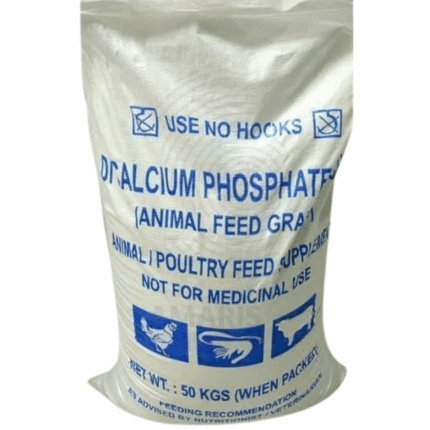
Dicalcium Phosphate
Dicalcium Phosphate (DCP) is an inorganic compound commonly used as a dietary supplement, food additive, and a key raw material in pharmaceuticals and animal nutrition. It appears as a white crystalline powder or granules and provides a highly bioavailable source of calcium and phosphorus, essential minerals for bone health, metabolic functions, and overall growth. DCP is widely used in the feed industry, pharmaceutical manufacturing, food processing, and various industrial applications, appreciated for its purity, stability, and nutritional value.


Glycerin
Glycerin, also known as glycerol, is a colorless, odorless, viscous liquid with a sweet taste and hygroscopic properties. It is a trihydroxy alcohol (triol) used extensively across food, pharmaceutical, cosmetic, and industrial applications. Food-grade glycerin is produced through hydrolysis, saponification, or transesterification of fats and oils, ensuring compliance with stringent purity standards. It is supplied in bulk (e.g., 250kg drums) for large-scale applications where non-toxic, biodegradable humectants or solvents are required. Glycerin is widely appreciated for its moisture-retaining ability, solubility, lubricity, and stabilizing properties.
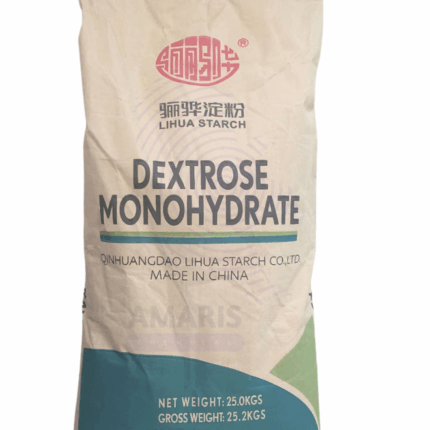
Dextrose Monohydrate
Dextrose Monohydrate is a crystalline form of glucose containing one molecule of water (monohydrate). It is a primary carbohydrate source widely used in pharmaceutical, food, and clinical nutrition applications. It provides readily available energy, serves as a sweetening agent, and acts as an osmotic agent in formulations. Dextrose Monohydrate meets pharmacopoeial standards (such as BP, USP) ensuring high purity, consistency, and safety for use in medical and food-grade products. Its solubility and stable crystalline form make it suitable for intravenous fluids, oral rehydration solutions, and food industry applications.
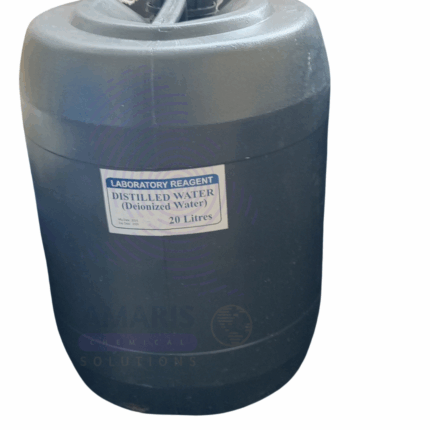
Distilled Water
Distilled Water is purified water that has been processed through distillation, a method involving evaporation and subsequent condensation to remove impurities, salts, minerals, and organic matter. This results in ultra-pure, clear, odorless, and tasteless water free of dissolved solids and contaminants. Distilled water is non-conductive, neutral in pH under ideal storage, and chemically stable. It is widely used across pharmaceutical, laboratory, medical, industrial, and consumer applications where high water purity is critical.
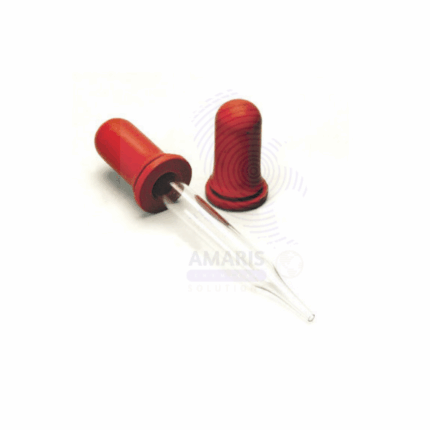
Dropper with Teats
Dropper with Teats is a combined liquid dispensing tool consisting of a transparent glass or plastic tube fitted with a flexible rubber or silicone teat (bulb) at the top. This integrated design enables precise suction and controlled dropwise release of liquids, widely used in pharmaceutical, laboratory, and infant care settings. The teat provides comfortable squeezing to draw up liquid into the dropper tube and release it accurately in small volumes, making it ideal for delicate dosing, sample handling, and medicinal applications. These droppers are available in various sizes and materials to suit diverse fluid types and usage scenarios.
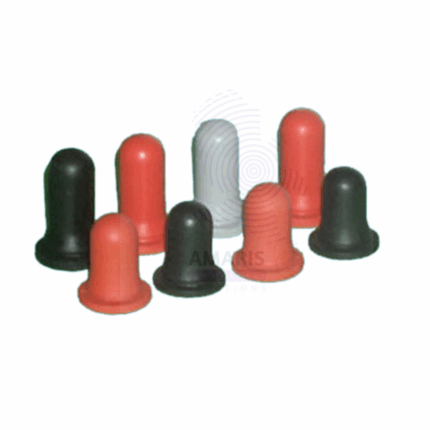
Dropper Teat
A Dropper Teat is a soft, flexible rubber or silicone component designed to fit onto a dropper bottle or pipette, facilitating controlled dispensing of liquids in drops. Commonly used in pharmaceutical, laboratory, and infant care applications, the teat provides a safe and precise way to transfer small amounts of liquid. Its pliable material allows easy squeezing to draw up and release fluids dropwise, ensuring accuracy and minimizing waste or contamination. Dropper teats are essential for eyedrops, medicines, feeding bottles, and various chemical dispensing needs.
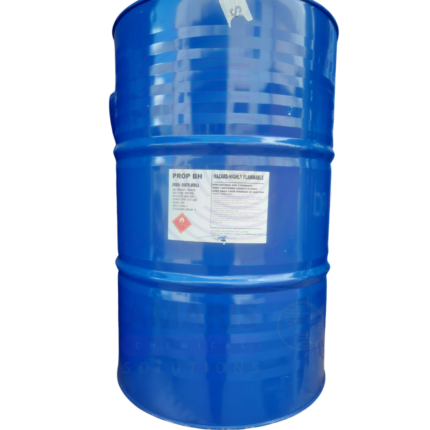
Propylparaben (Prop BH)
Prop BH, also known as Propylparaben or Propyl 4-Hydroxybenzoate, is an organic compound belonging to the paraben family of preservatives. It appears as colorless small crystals or a white crystalline powder with a characteristic mild odor and a slightly bitter taste. The compound is practically insoluble in cold water but readily soluble in alcohols, ethers, and other organic solvents. Propylparaben is widely recognized for its broad-spectrum antimicrobial activity, particularly effective against molds, yeasts, and bacteria. Propylparaben is manufactured for use as a preservative in various industrial applications and is not intended for direct human consumption without appropriate certification.
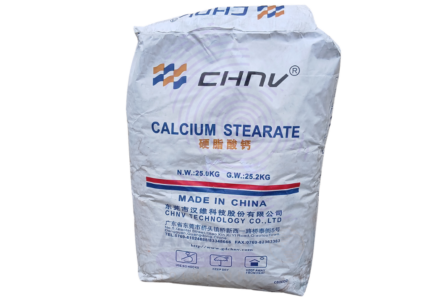
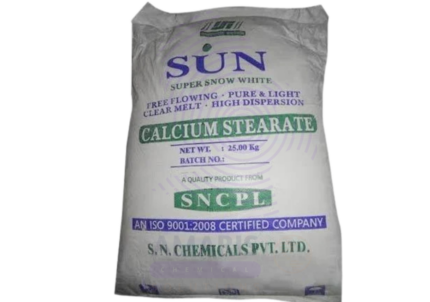
Calcium stearate
Calcium Stearate is a metallic stearate salt, appearing as a fine, white, hydrophobic powder. It is produced through the reaction of stearic acid (a fatty acid derived from natural oils and fats) with calcium oxide or calcium hydroxide. It functions primarily as an acid scavenger, lubricant, release agent, and stabilizer across multiple industrial sectors. Its unique combination of water repellency, low solubility, and high melting point makes it an essential processing additive in plastics, rubber, construction, and paper industries. Technical grade Calcium Stearate is manufactured for industrial performance applications and is not intended for direct food, pharmaceutical, or cosmetic use unless specifically certified and labeled for those applications.
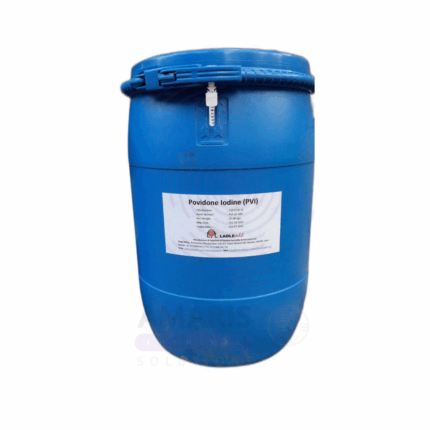
Povidone Iodide BP
Povidone Iodide BP is a water-soluble complex of iodine with the synthetic polymer polyvinylpyrrolidone (PVP). It acts as a broad-spectrum antiseptic effective against bacteria, fungi, viruses, and protozoa. Widely used in medical, pharmaceutical, and veterinary fields, Povidone Iodine provides sustained iodine release, minimizing irritation while offering rapid antimicrobial action. It is essential for wound care, surgical preparation, and infection control.
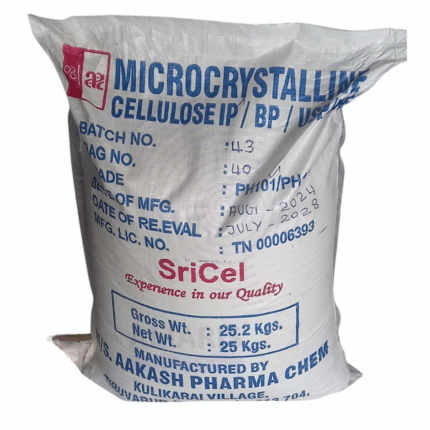
Microcrystalline Cellulose
Microcrystalline Cellulose (MCC) is a purified, partially depolymerized cellulose prepared by treating alpha-cellulose with mineral acids. It appears as a white, odorless, crystalline powder widely used as a binder, filler, and disintegrant in pharmaceutical tablets and capsules. MCC exhibits excellent compressibility and flow properties, making it ideal for direct compression tableting.
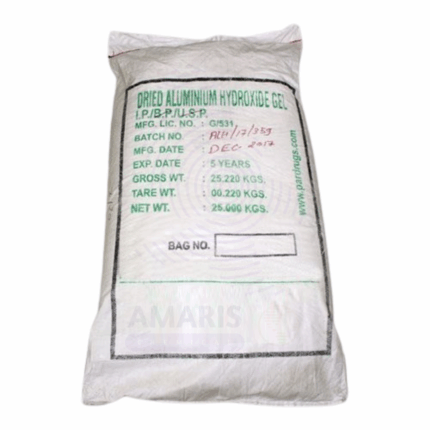
Dried Aluminium Hyroxide Gel
Dried Aluminium Hyroxide Gel is a highly purified, finely dispersed aluminum hydroxide product obtained by drying aluminum hydroxide gels. It is a white, amorphous, odorless powder with excellent adsorptive and neutralizing properties. This material serves as an effective antacid, a flame retardant filler, and an adsorbent in pharmaceutical, cosmetic, and industrial applications. Its gel form ensures high surface area and porosity, making it highly reactive and efficient in acid neutralization and catalysis. Dried Aluminum Hydroxide Gel is widely used for its buffering capacity and chemical inertness in various formulations.
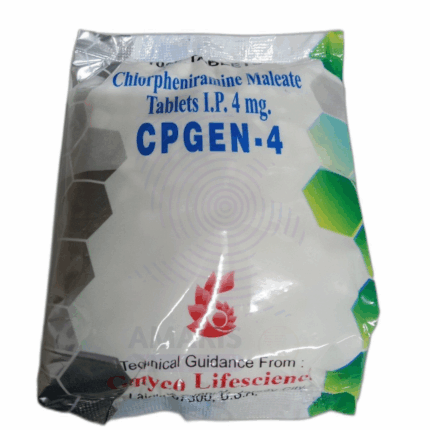
Chloropheniramine Maleate
Chloropheniramine Maleate is a first-generation alkylamine antihistamine used primarily to relieve allergy symptoms by blocking H1 histamine receptors. It appears as a white or off-white crystalline powder, freely soluble in water and alcohol. Known for rapid onset and moderate duration of action, it’s widely formulated in pharmaceuticals. It also exhibits mild anticholinergic and sedative effects.
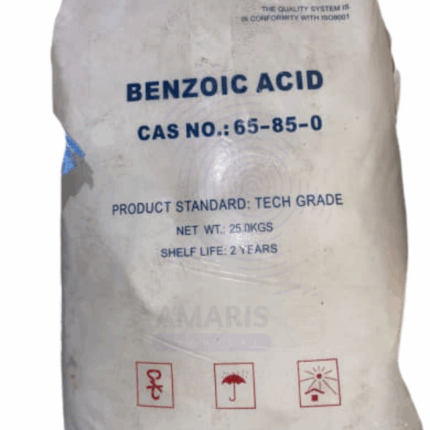
Benzoic Acid
Benzoic Acid is a white crystalline solid with a faint, pleasant odor, classified as a simple aromatic carboxylic acid. It is widely used as a food preservative, antimicrobial agent, and chemical intermediate. Naturally occurring in many plants, it is commercially produced through oxidation of toluene or extraction from natural sources. Benzoic acid is valued for its ability to inhibit the growth of mold, yeast, and certain bacteria, making it essential in food preservation and cosmetic formulations. It also serves as a precursor in the manufacture of various pharmaceuticals, dyes, and plasticizers.
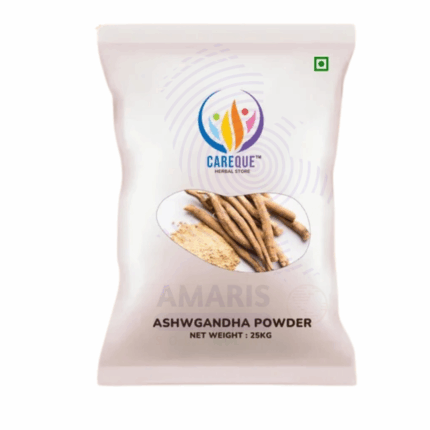
Ashawaganha Powder
Ashawaganha Powder is derived from the dried roots of Withania somnifera, a renowned herb in Ayurvedic and traditional medicine systems. Known as Indian ginseng or winter cherry, Ashwagandha is valued for its adaptogenic properties, helping the body combat stress, enhance vitality, and support overall wellness. The powder is finely ground root material, rich in bioactive compounds such as withanolides, alkaloids, and steroidal lactones. It is widely used as a dietary supplement, in herbal formulations, cosmetics, and traditional medicine.
Amethocaine
Amethocaine , also known as Tetracaine Hydrochloride, is a potent local anesthetic commonly used in medical and dental procedures to induce numbness or loss of sensation in targeted areas. It belongs to the ester class of local anesthetics and acts by blocking nerve signal transmission, preventing pain sensation. Amethocaine HCl BP is a crystalline white powder, highly soluble in water, and used in topical formulations such as creams, gels, sprays, and injections. Due to its rapid onset and intermediate duration of action, it is widely utilized for surface anesthesia before minor surgeries, endoscopic procedures, or dental treatments. It is approved by pharmacopeias including the British Pharmacopoeia (BP), ensuring compliance with quality and purity standards essential for pharmaceutical applications.
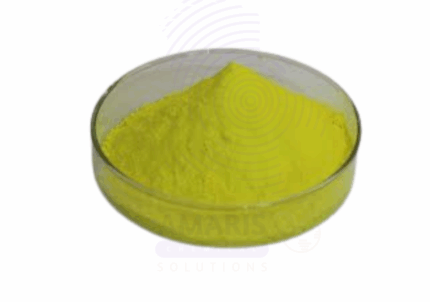
Santophene( 4-chloro-2-Benzyl phenol)
Santophene (4-chloro-2-benzylphenol) is a chlorinated phenolic compound used primarily as a biocide and preservative in various industrial applications. It exhibits strong antimicrobial properties, effectively controlling the growth of bacteria, fungi, and algae. This compound is widely applied in coatings, paints, wood preservation, and water treatment to protect materials from microbial degradation and extend their service life.
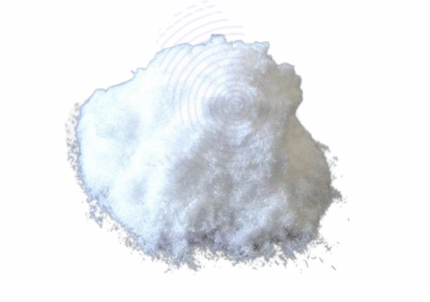
Salicylic Acid BP
Salicylic Acid BP is a white, crystalline organic acid widely used in pharmaceuticals, cosmetics, and industrial applications. Known for its keratolytic, anti-inflammatory, and antiseptic properties, it is an essential ingredient in acne treatments, wart removers, and skin care formulations. The British Pharmacopoeia (BP) grade ensures high purity suitable for medicinal and cosmetic use.
Salbutamol Sulphate BP
Salbutamol Sulphate BP is a white to off-white crystalline powder widely used as a bronchodilator in the treatment of asthma, chronic obstructive pulmonary disease (COPD), and other respiratory conditions. It works by relaxing the muscles in the airways, improving airflow and easing breathing. The British Pharmacopoeia (BP) grade ensures high purity and quality suitable for pharmaceutical formulations such as inhalers, tablets, and syrups.
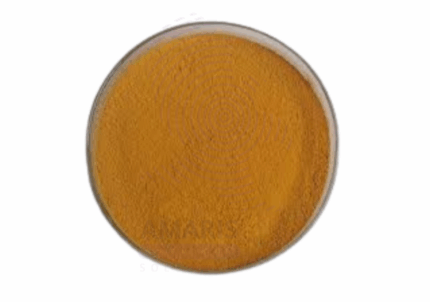
Riboflavin Sodium 5 Phosphate BP
Riboflavin Sodium 5 Phosphate BP is a water-soluble, bioactive derivative of riboflavin (vitamin B2). It is commonly used in pharmaceutical and nutraceutical formulations as a vitamin supplement to prevent or treat riboflavin deficiency. This compound plays a vital role in energy metabolism, cellular function, and acts as a coenzyme in various oxidation-reduction reactions.
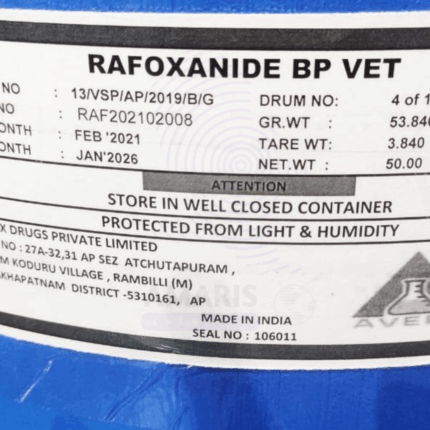
Rafoxanide BP Vet
Rafoxanide BP Vet is a halogenated salicylanilide used as a veterinary anthelmintic, specifically effective against liver flukes, gastrointestinal nematodes, and certain ectoparasites in livestock. It works by uncoupling oxidative phosphorylation in parasites, disrupting their energy metabolism and leading to their death. Compliant with the British Pharmacopoeia (BP) for veterinary use, Rafoxanide is widely administered to ruminants like cattle, sheep, and goats. It is commonly formulated in oral drenches, boluses, or feed premixes.












