

 Preservatives(food)
 Flavor Enhancers
 Acidulants
 Sweeteners
 Antioxidants
 Colorants(food)
 Nutraceutical Ingredients (food)
 Nutrient Supplements
 Emulsifiers
 Collectors
 Dust Suppressants
 Explosives and Blasting Agents
 Flocculants and Coagulants
 Frothers
 Leaching Agents
 pH Modifiers
 Precious Metal Extraction Agents
 Antioxidants(plastic)
 Colorants (Pigments, Dyes)
 Fillers and Reinforcements
 Flame Retardants
 Monomers
 Plasticizers
 Polymerization Initiators
 Stabilizers (UV, Heat)
 Antifoaming Agents
 Chelating Agents
 Coagulants and Flocculants
 Corrosion Inhibitors
 Disinfectants and Biocides
 Oxidizing Agents
 pH Adjusters
 Scale Inhibitors( water)
 Antioxidants(cosmetic)
 Emollients
 Fragrances and Essential Oils
 Humectants
 Preservatives
 Surfactants(cosmetic)
 Thickeners
 UV Filters
 Fertilizers
 Soil Conditioners
 Plant Growth Regulators
 Animal Feed Additives
 Biostimulants
 Pesticides (Herbicides, Insecticides, Fungicides)
 Active Pharmaceutical Ingredients (APIs)
 Excipients
 Solvents(pharmaceutical)
 Antibiotics
 Antiseptics and Disinfectants
 Vaccine Adjuvants
 Nutraceutical Ingredients (pharmaceutical)
 Analgesics & Antipyretics
 Analytical Reagents
 Solvents(lab)
 Chromatography Chemicals
 Spectroscopy Reagents
 microbiology-and-cell-culture-reagents
 Molecular Biology Reagents
 Biochemical Reagents
 Inorganic and Organic Standards
 Laboratory Safety Chemicals
 Specialty Laboratory Chemicals(Special Laboratory Equipment)
 Demulsifiers
 Hydraulic Fracturing Fluids
 Scale Inhibitors(oil)
 Surfactants(oil)
 Drilling Fluids
 Dyes and Pigments
 Bleaching Agents
 Softening Agents
 Finishing Agents
 Antistatic Agents
 Admixtures
 Waterproofing Agents
 Sealants and Adhesives
 Curing Compounds
 Concrete Repair Chemicals
 Anti-Corrosion Coatings
 Surfactants(cleaning)
 Builders
 Enzymes
 Solvents (Cleaning)
 Fragrances
 Electronic Chemicals
 Catalysts
 Lubricants
 Photographic Chemicals
 Refrigerants
 Automotive chemicals
 Pyrotechnic Chemicals
 Biodegradable Surfactants
 Bio-based Solvents
 Renewable Polymers
 Carbon Capture Chemicals
 Wastewater Treatment Chemicals
 Pigments
 Solvents(paint)
 Specialty Coatings
 Binders/Resins
 Additives
 Driers
 Anti-Corrosion Agents
 Functional Coatings
 Application-Specific Coatings
 Leavening Agents
 Dough Conditioners
 Flour Treatments
 Fat Replacers
 Decoratives
 Preservatives(baking)
 Plasticizers & Softeners
 Reinforcing Agents
 Adhesion Promoters
 Vulcanizing Agents
 Antidegradants
 Blowing Agents
 Fillers & Extenders
 Accelerators & Retarders

















Oxyclozanide Vet BP
Oxyclozanide Vet BP is a veterinary anthelmintic effective mainly against liver fluke (Fasciola hepatica) and some intestinal flukes in ruminants such as cattle, sheep, and goats. It works by interfering with the parasite’s energy metabolism, leading to parasite death and improving animal health and productivity.
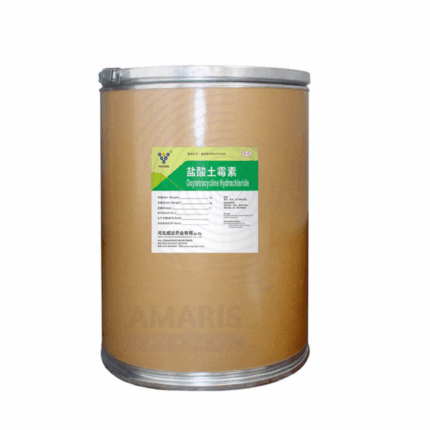
Oxytetracycline HCL BP
Oxytetracycline HCL BP is a broad-spectrum tetracycline antibiotic used in human and veterinary medicine. It inhibits bacterial protein synthesis by binding to the 30S ribosomal subunit, thus preventing the growth and multiplication of susceptible bacteria. Oxytetracycline HCL is effective against a wide range of Gram-positive and Gram-negative bacteria, as well as some protozoa. It is commonly employed to treat respiratory, urinary, and skin infections, and is also used extensively in veterinary applications to control infectious diseases in livestock and poultry.
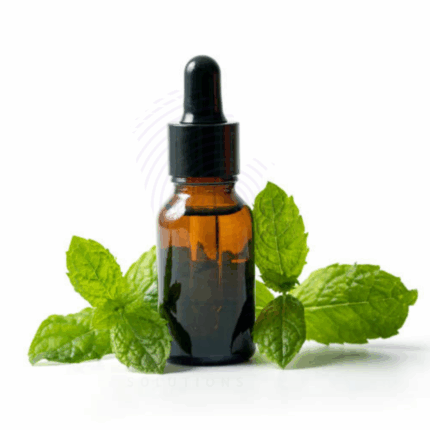
Peppermint Oil
Peppermint Oil is a refreshing essential oil obtained by steam distillation of the leaves and flowering tops of the Mentha × piperita plant. Renowned for its sharp, cool, and invigorating menthol aroma, it contains high levels of menthol and menthone, which contribute to its cooling, analgesic, and antimicrobial effects. Peppermint Oil is widely used across aromatherapy, pharmaceuticals, personal care, food flavoring, and cleaning products. Its stimulating and soothing properties make it popular for relieving headaches, muscle pain, digestive issues, and respiratory problems, while also adding a fresh scent to many formulations.
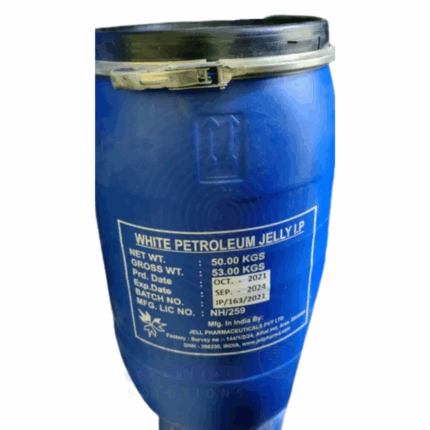
Petroleum Jelly
Petroleum Jelly is a semi-solid mixture of hydrocarbons, originally derived from petroleum refining. It is odorless, colorless (or slightly yellow), and known for its moisturizing, protective, and lubricating properties. Widely used in cosmetics, pharmaceuticals, and industrial applications, Petroleum Jelly forms a barrier on the skin that locks in moisture and protects against irritants. The 175kg packaging is typical for bulk industrial or large-scale cosmetic use.
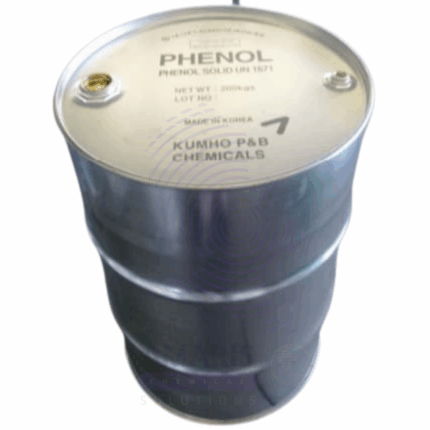
Phenol Ice Crystals
Phenol Ice Crystals, also known as carbolic acid in solid form, are crystalline compounds of phenol with a melting point near room temperature, giving them an “ice-like” appearance. Phenol is a aromatic organic compound widely used as a precursor in chemical synthesis, disinfectants, and pharmaceuticals. It exhibits antiseptic, antiseptic, and solvent properties. Due to its toxicity and corrosiveness, phenol requires careful handling.
Piperazine Citrate BP
Piperazine Citrate BP is a pharmaceutical-grade anthelmintic compound used primarily for the treatment of intestinal worm infections, especially ascariasis (roundworms) and enterobiasis (pinworms). It works by paralyzing the worms, allowing them to be expelled naturally from the body through bowel movements. Piperazine Citrate is included in the British Pharmacopoeia (BP) and is known for its safety, efficacy, and wide use in both human and veterinary medicine.
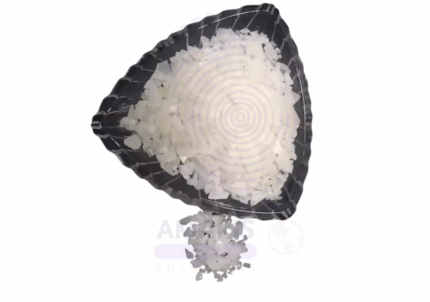
Polyethyl Glycol( PEG 6000)
Polyethyl Glycol( PEG 6000) is a high-molecular-weight polymer derived from ethylene oxide. It appears as a white, waxy solid or flake and is non-toxic, water-soluble, and chemically stable. PEG 6000 is widely used in pharmaceuticals, cosmetics, food processing, industrial formulations, and biotechnology, valued for its lubricating, solubilizing, binding, and moisturizing properties. It is odorless and tasteless, making it suitable for sensitive formulations.
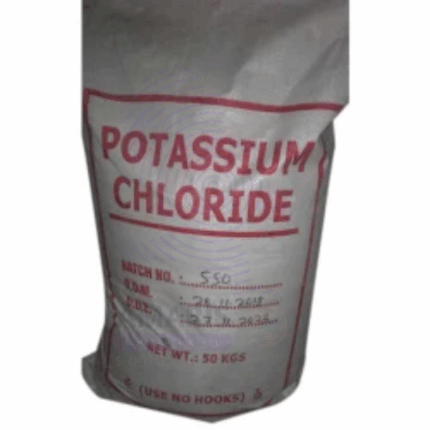
Potassium Chloride BP
Potassium Chloride BP (British Pharmacopoeia grade) is a high-purity, pharmaceutical-grade potassium salt widely used in medical, agricultural, and industrial applications. It is a white crystalline solid that is highly soluble in water and serves as an essential source of potassium ions in various biochemical and physiological processes. The BP grade ensures strict compliance with purity and quality standards, making it suitable for pharmaceutical formulations and clinical use.
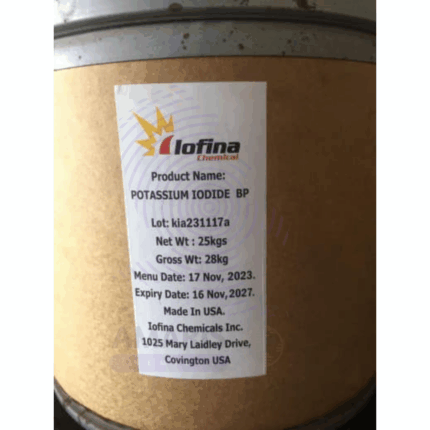
Potassium Iodide
Potassium Iodide is a white, crystalline inorganic salt that serves as a vital source of iodine. It is widely used in medical, pharmaceutical, nutritional, and industrial fields. Potassium Iodide is highly soluble in water and is used both as a dietary supplement to prevent iodine deficiency and as a protective agent against radioactive iodine exposure. It also finds applications in chemical synthesis and photographic processes.
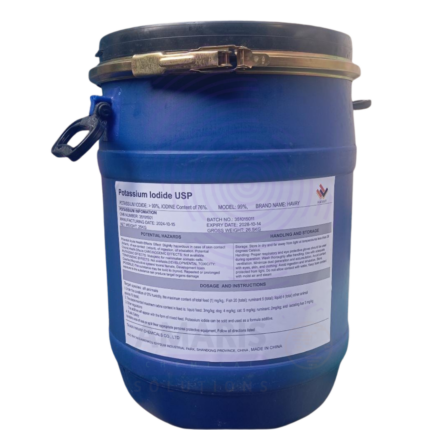
Potassium Iodide USP
Potassium Iodide USP is a high-purity inorganic halogenated salt that meets the strict quality and purity standards of the United States Pharmacopeia (USP). It appears as white crystalline granules or powder, is odorless, and has a characteristic saline taste. This pharmaceutical-grade compound is valued for its ability to act as a source of iodide ions, its high solubility in water, and its stability when properly stored. It is slightly hygroscopic and may become yellow upon prolonged exposure to air due to liberation of iodine, with light and moisture accelerating decomposition, requiring careful packaging and storage. Potassium Iodide USP is manufactured under current Good Manufacturing Practices (cGMP) and is suitable for human pharmaceutical applications, nutritional supplements, and other uses requiring the highest purity standards.

Potassium Metabisulphite Food Grade
Potassium Metabisulphite Food Grade is a white crystalline powder with strong antioxidant and preservative properties. It is widely used in the food and beverage industry as a disinfectant, antioxidant, and preservative to prevent spoilage and microbial growth. It also acts as a bleaching agent and sulfur dioxide (SO₂) source. This compound is critical in winemaking, brewing, and food processing to maintain product quality and extend shelf life.
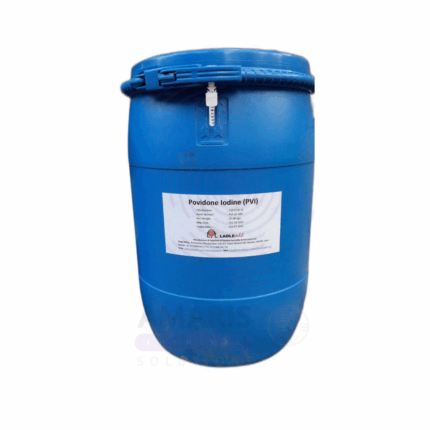
Povidone Iodide BP
Povidone Iodide BP is a water-soluble complex of iodine with the synthetic polymer polyvinylpyrrolidone (PVP). It acts as a broad-spectrum antiseptic effective against bacteria, fungi, viruses, and protozoa. Widely used in medical, pharmaceutical, and veterinary fields, Povidone Iodine provides sustained iodine release, minimizing irritation while offering rapid antimicrobial action. It is essential for wound care, surgical preparation, and infection control.
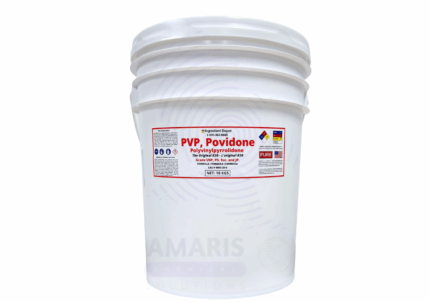
Povidone PVP25 USP
Povidone PVP25 USP is a synthetic polymer of vinylpyrrolidone with an average molecular weight of approximately 25,000. It is a water-soluble, non-toxic, and biodegradable polymer widely used as a binder, film former, stabilizer, and solubilizing agent in pharmaceutical, cosmetic, and industrial applications. Its excellent adhesive properties and compatibility with a wide range of substances make it essential in tablet formulations, topical products, and adhesives.
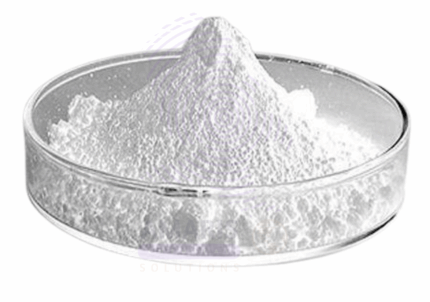
Prednisolone Base
Prednisolone Base is a synthetic glucocorticoid steroid widely used for its potent anti-inflammatory and immunosuppressive properties. It is the active form of prednisolone, commonly administered in various pharmaceutical formulations including tablets, injectables, and topical creams. This compound helps manage conditions involving inflammation, allergic reactions, and immune system disorders by modulating the body’s response to these processes.
Prednisolone Sodium Phosphate
Prednisolone Sodium Phosphate is a water-soluble ester of prednisolone, a synthetic glucocorticoid steroid with potent anti-inflammatory and immunosuppressive effects. Its enhanced solubility makes it suitable for injectable formulations and rapid systemic action. It is commonly used to treat various inflammatory, allergic, and autoimmune conditions, offering effective modulation of immune responses and inflammation.
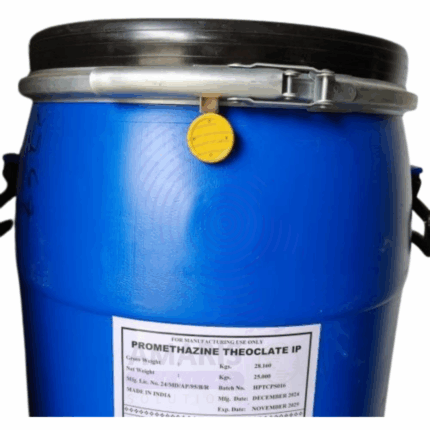
Promethazine
Promethazine is a first-generation antihistamine with potent sedative, antiemetic, and anticholinergic properties. It is commonly used to treat allergic reactions, nausea, vomiting, motion sickness, and as a sedative or sleep aid. Its broad pharmacological effects make it valuable in both acute and chronic medical settings for symptom relief and prevention
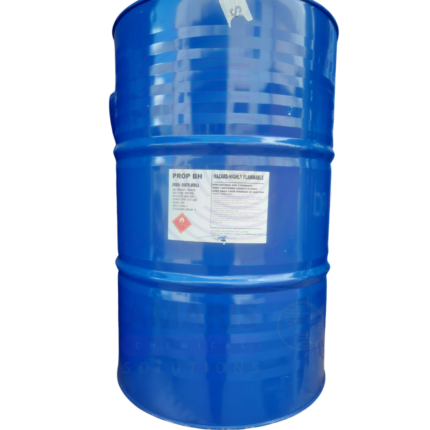
Propylparaben (Prop BH)
Prop BH, also known as Propylparaben or Propyl 4-Hydroxybenzoate, is an organic compound belonging to the paraben family of preservatives. It appears as colorless small crystals or a white crystalline powder with a characteristic mild odor and a slightly bitter taste. The compound is practically insoluble in cold water but readily soluble in alcohols, ethers, and other organic solvents. Propylparaben is widely recognized for its broad-spectrum antimicrobial activity, particularly effective against molds, yeasts, and bacteria. Propylparaben is manufactured for use as a preservative in various industrial applications and is not intended for direct human consumption without appropriate certification.
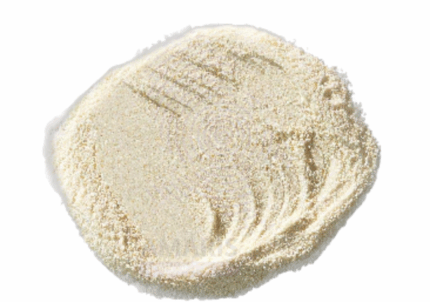
Pullulan
Pullulan is a natural polysaccharide polymer produced by the fermentation of starch by the fungus Aureobasidium pullulans. It is a water-soluble, tasteless, and odorless biopolymer widely used in the food, pharmaceutical, and cosmetic industries due to its excellent film-forming, adhesive, and oxygen barrier properties. Pullulan is biodegradable, non-toxic, and approved for use in various applications requiring edible and biodegradable films.
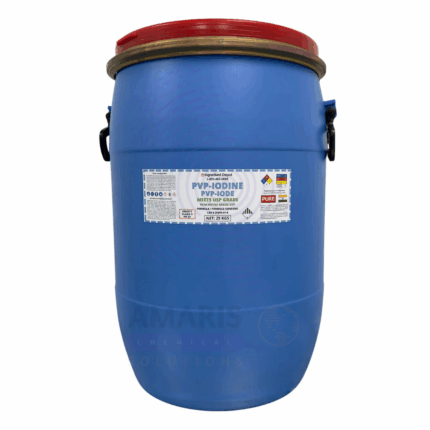
PVP Iodine
PVP Iodine is a water-soluble complex of polyvinylpyrrolidone (PVP) and iodine, widely used as a broad-spectrum antiseptic. It delivers controlled iodine release, providing effective antimicrobial action against bacteria, viruses, fungi, and protozoa. This preparation is favored for its ease of application, reduced irritation compared to tinctures, and stability in aqueous solutions. PVP Iodine 10% is commonly used in medical, veterinary, and personal care settings for disinfection and wound treatment.
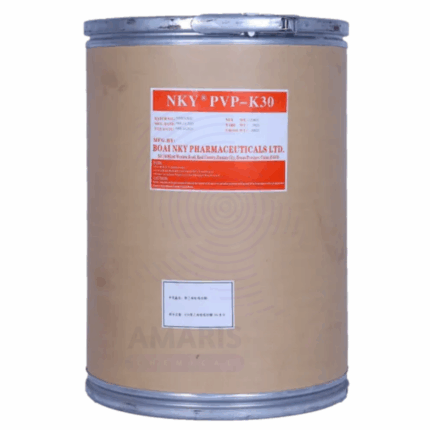
PVP K 30 USP
PVP K 30 USP (Polyvinylpyrrolidone K-30) is a water-soluble polymer widely used in pharmaceutical and cosmetic formulations. It serves as a binder, stabilizer, and film-forming agent, known for its excellent adhesive properties and compatibility with a wide range of ingredients. PVP K 30 USP is characterized by its medium molecular weight, making it ideal for tablet binding, enhancing solubility of poorly soluble drugs, and providing viscosity control in liquid formulations. This grade complies with USP standards ensuring suitability for pharmaceutical use.
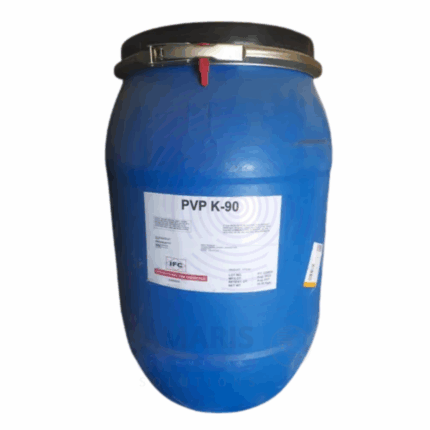
PVP K 90 USP
PVP K 90 USP (Polyvinylpyrrolidone K-90) is a high molecular weight water-soluble polymer widely used in pharmaceutical, cosmetic, and industrial applications. Known for its excellent film-forming, adhesive, and thickening properties, PVP K 90 is particularly valued where higher viscosity and stronger binding are required. This grade meets USP standards, ensuring purity and suitability for pharmaceutical use, especially in sustained-release formulations, suspensions, and topical products.
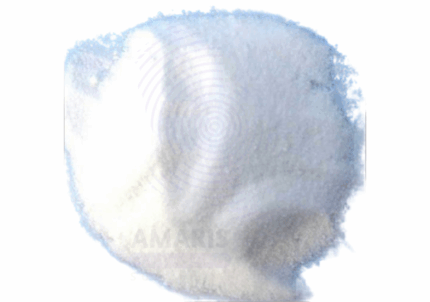
Pyrimethamine HCL Micronised
Pyrimethamine HCL Micronised is a finely ground form of pyrimethamine hydrochloride, an antimalarial and antiparasitic drug. The micronised form enhances bioavailability by improving dissolution rate and absorption. It acts by inhibiting dihydrofolate reductase, interfering with folic acid metabolism in protozoa and some bacteria, thus effectively treating malaria and toxoplasmosis. This pharmaceutical-grade compound is used primarily in combination therapies for parasitic infections.
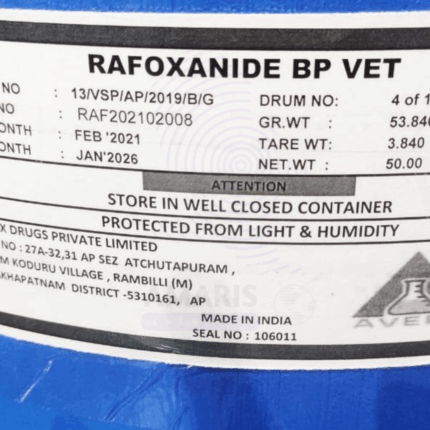
Rafoxanide BP Vet
Rafoxanide BP Vet is a halogenated salicylanilide used as a veterinary anthelmintic, specifically effective against liver flukes, gastrointestinal nematodes, and certain ectoparasites in livestock. It works by uncoupling oxidative phosphorylation in parasites, disrupting their energy metabolism and leading to their death. Compliant with the British Pharmacopoeia (BP) for veterinary use, Rafoxanide is widely administered to ruminants like cattle, sheep, and goats. It is commonly formulated in oral drenches, boluses, or feed premixes.
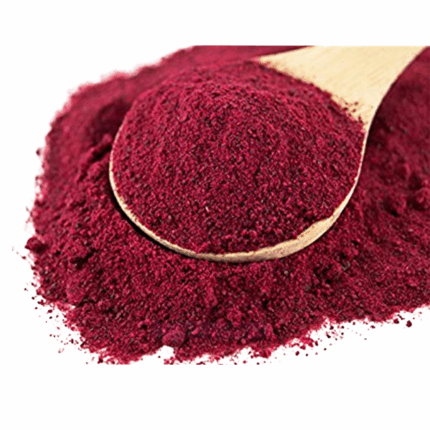
Red Cherry Powder Flavor
Red Cherry Powder Flavor is a high-quality, concentrated flavoring agent designed to impart a natural and vibrant cherry taste to a variety of food and beverage applications. This fine powder is made from carefully selected ingredients to ensure consistent flavor intensity, solubility, and stability. Ideal for use in dry mixes, confectionery, beverages, and baked goods, Red Cherry Powder Flavor provides a convenient and versatile way to enhance taste profiles without altering texture.
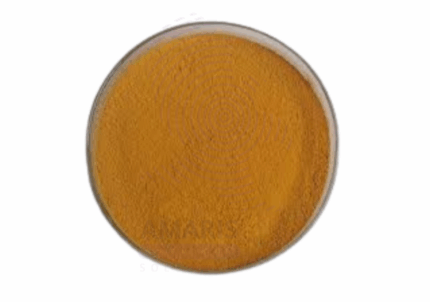
Riboflavin Sodium 5 Phosphate BP
Riboflavin Sodium 5 Phosphate BP is a water-soluble, bioactive derivative of riboflavin (vitamin B2). It is commonly used in pharmaceutical and nutraceutical formulations as a vitamin supplement to prevent or treat riboflavin deficiency. This compound plays a vital role in energy metabolism, cellular function, and acts as a coenzyme in various oxidation-reduction reactions.
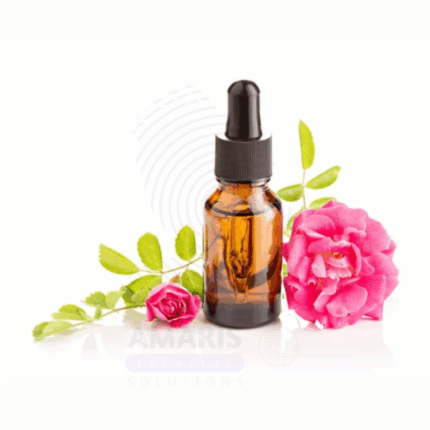
Rose Oil
Rose Oil, also known as Rosa Damascena Oil, is a highly valued essential oil extracted primarily through steam distillation of the petals of the Rosa damascena flower. Renowned for its rich, floral, and intoxicating aroma, Rose Oil is cherished in perfumery, cosmetics, and therapeutic applications. It contains key compounds like citronellol, geraniol, and nerol, which contribute to its soothing, anti-inflammatory, and antiseptic properties. Rose Oil is widely used for skin rejuvenation, mood enhancement, and as a luxurious fragrance component, making it an essential ingredient in high-end skincare and aromatherapy products.
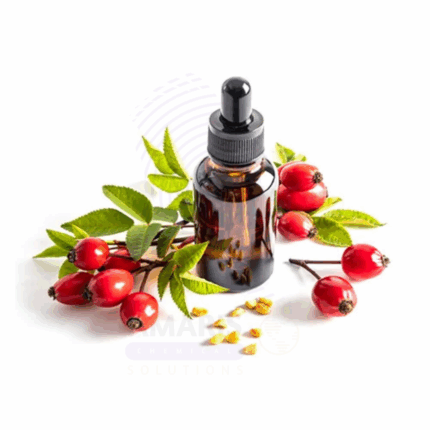
Rosehip Oil
Rosehip Oil is a cold-pressed carrier oil extracted from the seeds of the wild rose bush (Rosa canina or Rosa rubiginosa). Known for its rich content of essential fatty acids, vitamins A and C, and antioxidants, Rosehip Oil is highly prized in skincare for its ability to promote skin regeneration, improve elasticity, and reduce scars and pigmentation. It has a light texture and is easily absorbed, making it ideal for facial and body care formulations. This oil is also used in therapeutic and cosmetic products aimed at anti-aging, moisturizing, and skin repair.
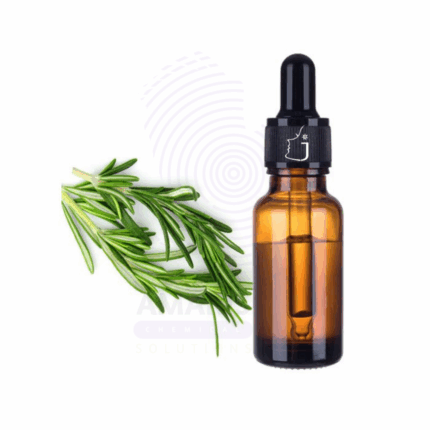
Rosemary Oil
Rosemary Oil is an essential oil extracted through steam distillation from the leaves and flowering tops of the Rosmarinus officinalis plant. It possesses a fresh, herbaceous, and slightly woody aroma. Rich in cineole, camphor, and α-pinene, Rosemary Oil is widely valued for its stimulating, antioxidant, and antimicrobial properties. It is extensively used in aromatherapy, cosmetics, pharmaceuticals, and natural personal care products. Rosemary Oil promotes scalp health, enhances hair growth, supports respiratory function, and is used in massage blends to invigorate the body and mind.

Safflower Oil
Safflower Oil is a high-quality, cold-pressed or expeller-extracted vegetable oil derived from the seeds of the Carthamus tinctorius plant. Pale yellow in color and light in texture, this oil is rich in linoleic and oleic acids, making it a valuable source of essential fatty acids. It is prized for its moisturizing, anti-inflammatory, and antioxidant properties and has been used for centuries in traditional medicine, culinary applications, and skin and hair care routines.
Due to its non-comedogenic and quick-absorbing nature, Safflower Oil is widely used in cosmetic formulations such as lotions, serums, and hair treatments. It is also commonly incorporated into massage oils, therapeutic balms, and healthy cooking oils. In industrial and pharmaceutical contexts, it serves as an excipient, emollient, or carrier oil in active ingredient delivery systems.
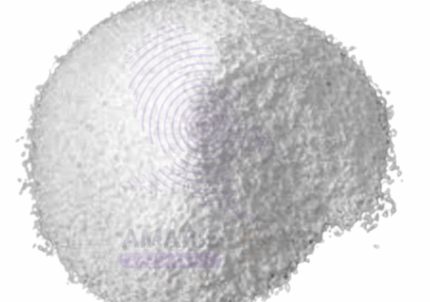
Salbutamol Sulphate BP
Salbutamol Sulphate BP is a white to off-white crystalline powder widely used as a bronchodilator in the treatment of asthma, chronic obstructive pulmonary disease (COPD), and other respiratory conditions. It works by relaxing the muscles in the airways, improving airflow and easing breathing. The British Pharmacopoeia (BP) grade ensures high purity and quality suitable for pharmaceutical formulations such as inhalers, tablets, and syrups.
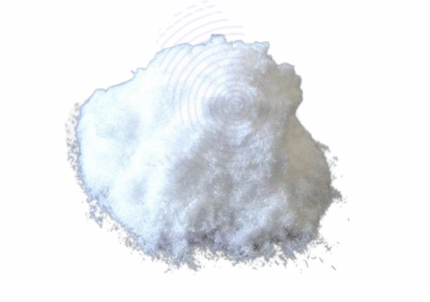
Salicylic Acid BP
Salicylic Acid BP is a white, crystalline organic acid widely used in pharmaceuticals, cosmetics, and industrial applications. Known for its keratolytic, anti-inflammatory, and antiseptic properties, it is an essential ingredient in acne treatments, wart removers, and skin care formulations. The British Pharmacopoeia (BP) grade ensures high purity suitable for medicinal and cosmetic use.
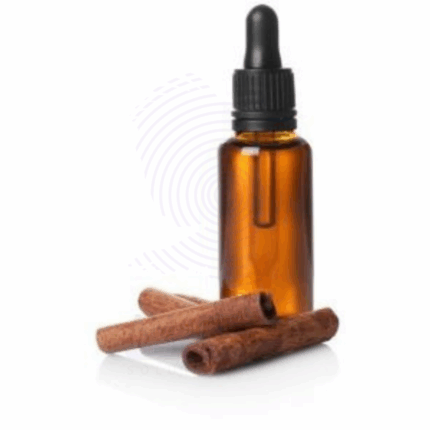
Sandalwood Oil
Sandalwood Oil is a premium-grade essential oil extracted primarily from the heartwood of the Santalum album tree, native to India, Indonesia, and Australia. Obtained through steam distillation, this oil is renowned for its rich, woody, creamy, and long-lasting aroma with subtle balsamic and sweet undertones. Its therapeutic properties are largely attributed to its high santalol content, particularly alpha- and beta-santalol, which provide anti-inflammatory, antimicrobial, and calming effects.
Sandalwood Oil has been revered in traditional medicine, spiritual rituals, and perfumery for centuries. Today, it is widely used in cosmetics, aromatherapy, personal care products, and high-end fragrances. Its grounding and meditative qualities make it a popular ingredient in mindfulness formulations, skincare treatments, and luxurious spa products.
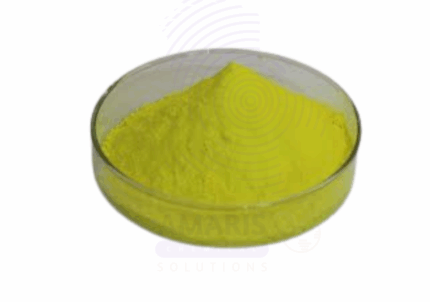
Santophene( 4-chloro-2-Benzyl phenol)
Santophene (4-chloro-2-benzylphenol) is a chlorinated phenolic compound used primarily as a biocide and preservative in various industrial applications. It exhibits strong antimicrobial properties, effectively controlling the growth of bacteria, fungi, and algae. This compound is widely applied in coatings, paints, wood preservation, and water treatment to protect materials from microbial degradation and extend their service life.
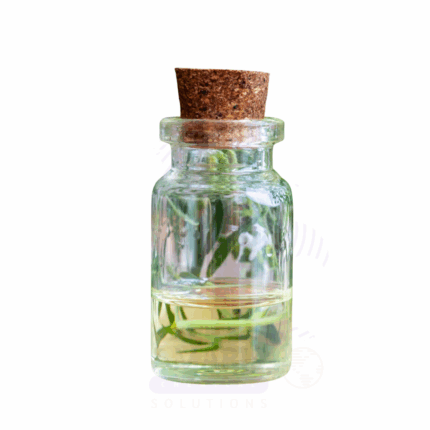
Savory Summer Oil
Savory Summer Oil is an essential oil steam-distilled from the flowering tops of Satureja hortensis, commonly known as Summer Savory. Native to Southern Europe and the Mediterranean region, this aromatic herb yields a highly pungent, spicy, and herbaceous oil rich in carvacrol, thymol, and p-cymene. Known for its strong antimicrobial, antifungal, and antioxidant properties, Savory Summer Oil has long been used in traditional herbal medicine to support immune health, digestion, and topical wound care.
Today, the oil is utilized in cosmetics, aromatherapy, wellness formulations, and as a potent active in natural cleaning products. Due to its intense composition, it is generally used in low dilutions and often blended with softer oils to balance its intensity. Its sharp, spicy-herbaceous aroma is particularly favored in male grooming products, energizing blends, and natural disinfectants.
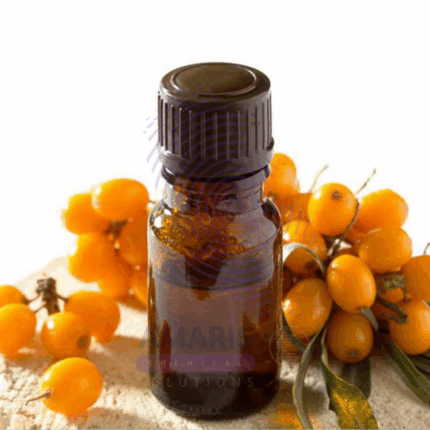
Sea Buckthorn Oil
Sea Buckthorn Oil is a vibrant orange-red oil extracted primarily from the berries (and sometimes seeds) of Hippophae rhamnoides, a hardy shrub native to the coastal and mountainous regions of Europe and Asia. Renowned for its rich composition of essential fatty acids (including omega-3, 6, 7, and 9), carotenoids, vitamins (notably vitamin C and E), flavonoids, and antioxidants, Sea Buckthorn Oil is prized for its regenerative, anti-inflammatory, and moisturizing properties. It has a distinctive fruity, slightly tart aroma and is valued in traditional medicine for skin healing, immune support, and cardiovascular health.
In modern applications, Sea Buckthorn Oil is a sought-after ingredient in high-performance skincare, nutraceuticals, hair care, and therapeutic formulations. It also finds uses in dietary supplements and functional foods for its nutrient-dense profile.

Silver Sulphadiazine USP
Silver Sulphadiazine USP is a topical antimicrobial agent used primarily in the treatment and prevention of infections in burn wounds and other skin injuries. It combines the broad-spectrum antibacterial effects of silver ions with the antimicrobial properties of sulphadiazine, a sulfonamide antibiotic. This combination helps to prevent bacterial colonization and promotes healing by reducing the risk of infection. Silver Sulphadiazine is widely used in clinical and hospital settings and is available as a cream or ointment formulation meeting United States Pharmacopeia (USP) standards for purity and quality.

Simethicone Emulsion
Simethicone Emulsion is a medical-grade, anti-foaming agent composed of polydimethylsiloxane and silicon dioxide in an emulsified form. Designed to reduce gas bubbles in the gastrointestinal tract, it provides rapid relief from bloating and discomfort. The emulsion formulation enhances bioavailability and mixing with bodily fluids.
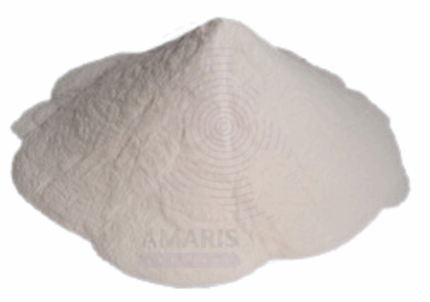
Simethicone USP
Simethicone USP is a silicon-based surfactant used primarily as an anti-foaming and anti-gas agent in pharmaceutical and food industries. It works by reducing the surface tension of gas bubbles, causing them to coalesce and be expelled more easily from the digestive tract. This non-toxic, inert compound is widely used in formulations to relieve bloating, discomfort, and flatulence caused by excess gas. The “USP 28” grade signifies compliance with the United States Pharmacopeia standards, ensuring high purity and quality for medical and food applications.

Sodium Ascorbate USP
Sodium Ascorbate USP is a sodium salt of ascorbic acid (Vitamin C) that appears as a white to slightly yellow crystalline powder. It is widely used as an antioxidant and nutritional supplement due to its excellent water solubility and lower acidity compared to pure ascorbic acid. This compound helps prevent oxidation in food and pharmaceutical products and supports human health by boosting the immune system. It meets USP (United States Pharmacopeia) standards for purity and quality, making it suitable for pharmaceutical, food, and cosmetic applications.
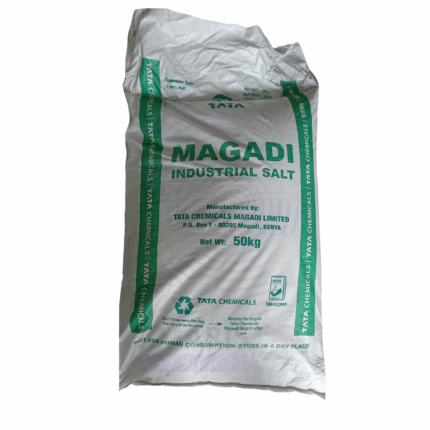
Sodium Chloride (Industrial Salt)
Sodium Chloride (Industrial Salt) is a highly purified, sterile, and non-pyrogenic salt intended for intravenous, intramuscular, and subcutaneous administration. It is commonly used in medical and pharmaceutical settings as a key component of intravenous fluids, for rehydration therapy, electrolyte replenishment, and as a diluent for injectable drugs. This grade meets stringent pharmacopoeial standards (British Pharmacopoeia) ensuring safety and compatibility with parenteral use.
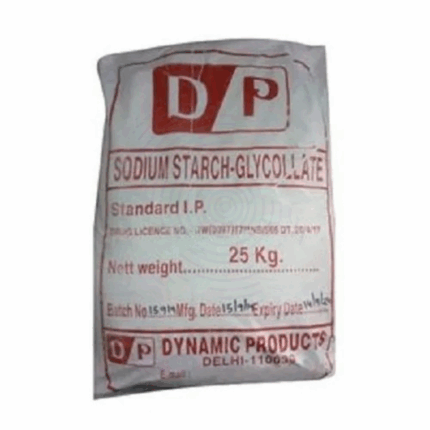
Sodium Starch Glycolate
Sodium Starch Glycolate (SSG) is a white to off-white, odorless, tasteless powder derived from potato or maize starch and chemically modified with carboxymethylation and cross-linking. It has the chemical formula (C₆H₁₀O₅)nNa and is widely used in solid dosage pharmaceutical formulations as a superdisintegrant. This 25kg grade is supplied in high-purity pharmaceutical and food-grade quality, offering excellent swelling capacity and rapid disintegration properties even at low concentrations.
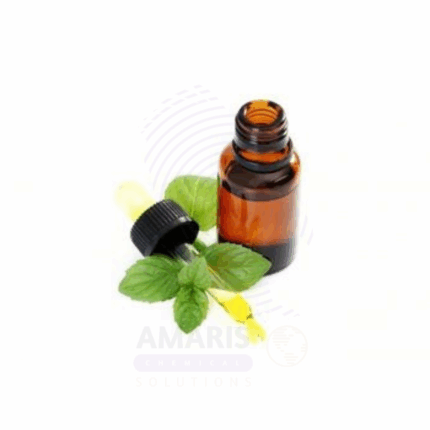
Spearmint Oil
Spearmint Oil is a high-quality essential oil steam-distilled from the leaves and flowering tops of Mentha spicata, a herb native to Europe and the Mediterranean. This oil has a fresh, sweet, minty aroma with subtle green-woody undertones. Its principal constituents—carvone, limonene, and menthone—provide antimicrobial, anti-inflammatory, digestive-supporting, and soothing properties. Spearmint Oil is widely used in aromatherapy for mental clarity and respiratory support, as well as in personal care formulations, flavor blends, and functional wellness products.
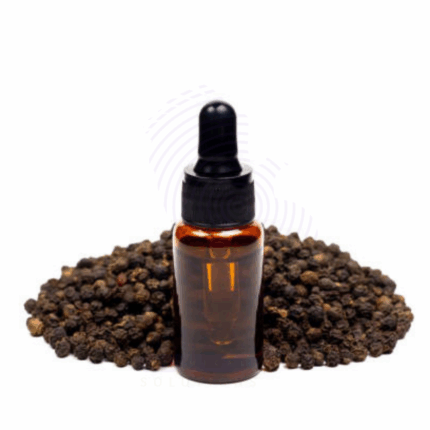
Spikenard Oil
Spikenard Oil is a precious essential oil steam-distilled from the rhizomes and roots of Nardostachys jatamansi, a flowering plant native to the Himalayan regions of Nepal and India. With a rich, warm, earthy, and slightly sweet aroma, this oil is characterized by complex notes of wood, musk, and spice. Its main constituents—nardol, jatamansone, and valeranone—offer well-known anti-inflammatory, calming, and neuroprotective properties. Historically revered in Ayurvedic and spiritual traditions, Spikenard Oil is used in aromatherapy for relaxation, meditation, and emotional well-being, as well as in high-end perfumery, skincare, and therapeutic formulations.
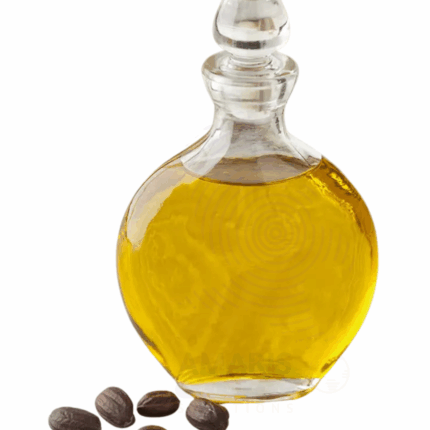
Squalene Oil
Squalene Oil is a naturally occurring hydrocarbon derived primarily from olive oil, sugarcane, or deep-sea shark liver. Its light, silicone‑like texture and excellent emollient properties make it highly valued in skin and hair care applications. Squalene is known for its deep moisturizing, antioxidant, and regenerative abilities, aiding in skin barrier repair and supporting hydration without comedogenic effects. Widely used in cosmetic and personal care formulations, it is also included in nutraceuticals and pharmaceutical excipient systems for its biocompatibility and stability.
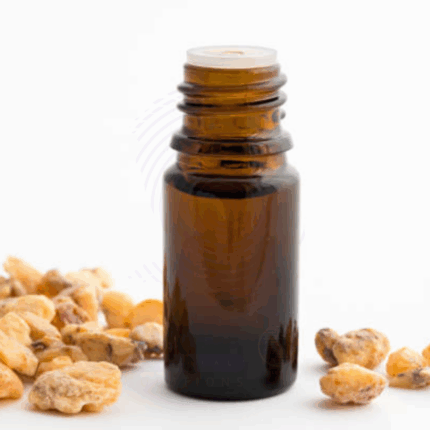
Styrax Oil
Styrax Oil, also known as Benzoin Resin Oil, is a natural essential oil derived from the resin of the Styrax benzoin tree, native to Southeast Asia. It is typically extracted through solvent extraction or steam distillation of the hardened resin. Known for its rich, sweet, balsamic aroma with warm vanilla-like undertones, Styrax Oil is prized for its fixative qualities in perfumery and its skin-calming properties in personal care. Rich in benzoic acid, cinnamic acid, and vanillin, it exhibits antimicrobial, anti-inflammatory, and skin-protective activity. Commonly used in emotional wellness products, spiritual blends, and skin repair formulas, it also functions as a key base note in many aromatic compositions.
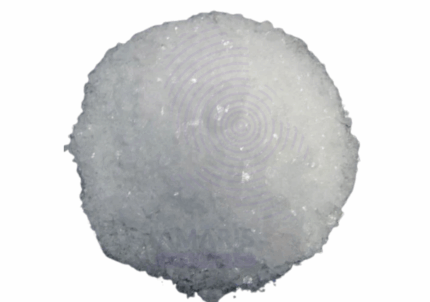
Sulfadiazine Base BP
Sulfadiazine Base BP is a broad-spectrum sulfonamide antibiotic used primarily in veterinary and human medicine to treat bacterial infections. It functions by inhibiting bacterial synthesis of folic acid, thereby preventing bacterial growth and proliferation. The British Pharmacopoeia (BP) grade ensures pharmaceutical-grade purity and quality suitable for formulation into tablets, suspensions, and topical preparations.
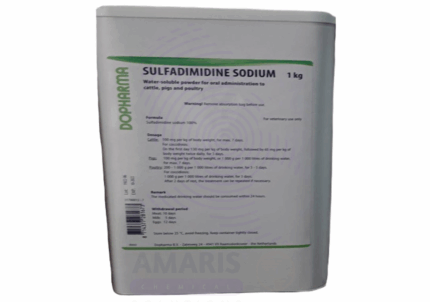
Sulphadimidine Sodium BP
Sulphadimidine Sodium BP is the water-soluble sodium salt of Sulphadimidine, conforming to the British Pharmacopoeia monograph. It is a white or almost white, crystalline powder designed for rapid administration in veterinary medicine, primarily through drinking water or injectable solutions for livestock.
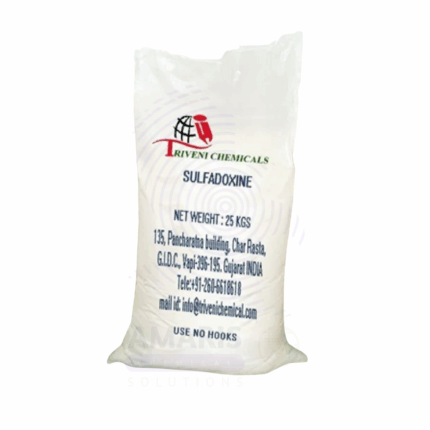
Sulphadoxine
Sulphadoxine BP is a long-acting synthetic sulfonamide antibiotic used primarily in combination therapies for treating malaria and certain bacterial infections. Its prolonged half-life makes it suitable for single-dose treatments and prophylaxis. The British Pharmacopoeia (BP) 98% grade ensures pharmaceutical-grade purity, making it suitable for incorporation into human and veterinary medicinal formulations.
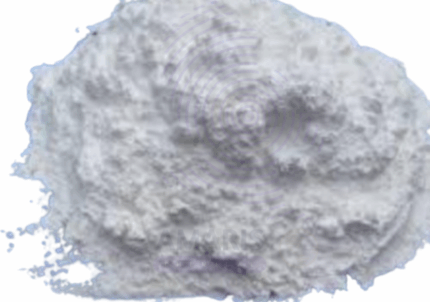
Sulphamethoxazole BP
Sulphamethoxazole BP is a synthetic sulfonamide antibiotic widely used in human and veterinary medicine for treating bacterial infections. It acts by inhibiting bacterial synthesis of dihydrofolic acid, thereby preventing bacterial growth. It is commonly combined with trimethoprim for synergistic effects against a broad spectrum of bacteria. The British Pharmacopoeia (BP) grade guarantees pharmaceutical purity and quality, making it suitable for formulation into tablets, suspensions, and other dosage forms.

Sulphamethoxazole BP micronised
Sulphamethoxazole BP Micronised is a fine, micronized form of sulphamethoxazole, a synthetic sulfonamide antibiotic used extensively in human and veterinary medicine. Micronization improves its dissolution rate and bioavailability, enhancing efficacy in oral and injectable formulations. This British Pharmacopoeia (BP) grade product ensures high purity and consistent particle size, making it ideal for pharmaceutical manufacturing.












