

 Preservatives(food)
 Flavor Enhancers
 Acidulants
 Sweeteners
 Antioxidants
 Colorants(food)
 Nutraceutical Ingredients (food)
 Nutrient Supplements
 Emulsifiers
 Collectors
 Dust Suppressants
 Explosives and Blasting Agents
 Flocculants and Coagulants
 Frothers
 Leaching Agents
 pH Modifiers
 Precious Metal Extraction Agents
 Antioxidants(plastic)
 Colorants (Pigments, Dyes)
 Fillers and Reinforcements
 Flame Retardants
 Monomers
 Plasticizers
 Polymerization Initiators
 Stabilizers (UV, Heat)
 Antifoaming Agents
 Chelating Agents
 Coagulants and Flocculants
 Corrosion Inhibitors
 Disinfectants and Biocides
 Oxidizing Agents
 pH Adjusters
 Scale Inhibitors( water)
 Antioxidants(cosmetic)
 Emollients
 Fragrances and Essential Oils
 Humectants
 Preservatives
 Surfactants(cosmetic)
 Thickeners
 UV Filters
 Fertilizers
 Soil Conditioners
 Plant Growth Regulators
 Animal Feed Additives
 Biostimulants
 Pesticides (Herbicides, Insecticides, Fungicides)
 Active Pharmaceutical Ingredients (APIs)
 Excipients
 Solvents(pharmaceutical)
 Antibiotics
 Antiseptics and Disinfectants
 Vaccine Adjuvants
 Nutraceutical Ingredients (pharmaceutical)
 Analgesics & Antipyretics
 Analytical Reagents
 Solvents(lab)
 Chromatography Chemicals
 Spectroscopy Reagents
 microbiology-and-cell-culture-reagents
 Molecular Biology Reagents
 Biochemical Reagents
 Inorganic and Organic Standards
 Laboratory Safety Chemicals
 Specialty Laboratory Chemicals(Special Laboratory Equipment)
 Demulsifiers
 Hydraulic Fracturing Fluids
 Scale Inhibitors(oil)
 Surfactants(oil)
 Drilling Fluids
 Dyes and Pigments
 Bleaching Agents
 Softening Agents
 Finishing Agents
 Antistatic Agents
 Admixtures
 Waterproofing Agents
 Sealants and Adhesives
 Curing Compounds
 Concrete Repair Chemicals
 Anti-Corrosion Coatings
 Surfactants(cleaning)
 Builders
 Enzymes
 Solvents (Cleaning)
 Fragrances
 Electronic Chemicals
 Catalysts
 Lubricants
 Photographic Chemicals
 Refrigerants
 Automotive chemicals
 Pyrotechnic Chemicals
 Biodegradable Surfactants
 Bio-based Solvents
 Renewable Polymers
 Carbon Capture Chemicals
 Wastewater Treatment Chemicals
 Pigments
 Solvents(paint)
 Specialty Coatings
 Binders/Resins
 Additives
 Driers
 Anti-Corrosion Agents
 Functional Coatings
 Application-Specific Coatings
 Leavening Agents
 Dough Conditioners
 Flour Treatments
 Fat Replacers
 Decoratives
 Preservatives(baking)
 Plasticizers & Softeners
 Reinforcing Agents
 Adhesion Promoters
 Vulcanizing Agents
 Antidegradants
 Blowing Agents
 Fillers & Extenders
 Accelerators & Retarders













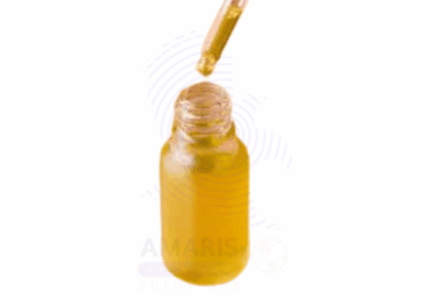
Polyglycerol-10-Laurate
Polyglycerol-10-Laurate is a non-ionic, biodegradable surfactant and emulsifier derived from natural lauric acid and polyglycerol (with ten glycerol units). It is known for its excellent emulsifying, dispersing, and solubilizing properties, especially in oil-in-water systems. Commonly used in cosmetics, food, pharmaceuticals, and personal care products, it is valued for being mild, non-toxic, and suitable for sensitive applications, including baby care and oral care.

Methylene Glycol
Methylene Glycol is a chemical compound formed by the reversible reaction of formaldehyde with water. It exists in equilibrium with formaldehyde in aqueous solutions and is commonly used as a disinfectant, preservative, and industrial biocide. Due to its antimicrobial properties, it is widely applied in water treatment, cosmetics, and embalming fluids.
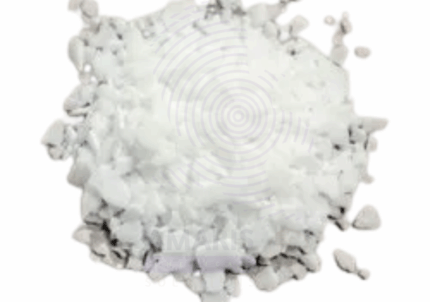
Polyglyceryl
Polyglyceryl refers to a family of non-ionic surfactants and emulsifiers made by the polymerization of glycerol units. Depending on the number of glycerol units (e.g., Polyglyceryl-2, -3, -6, -10) and fatty acid esterification (e.g., laurate, oleate, stearate), they offer different emulsifying and solubilizing properties. These compounds are biodegradable, mild, and skin-friendly, making them ideal for use in cosmetics, food, pharmaceuticals, and personal care products. Polyglyceryl esters are often chosen in natural and organic product formulations due to their origin and non-toxic profile.
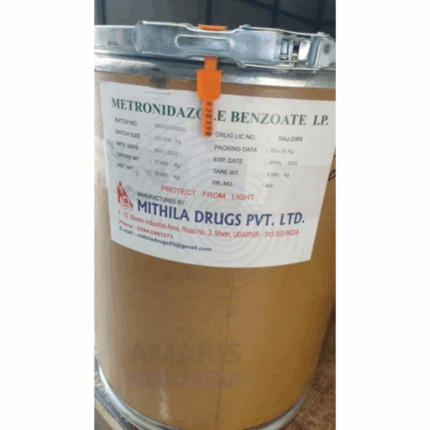
Metronidazole Benzoate BP
Metronidazole Benzoate BP is a benzoate ester derivative of metronidazole, used primarily as an antiprotozoal and antibacterial agent. It is a prodrug that hydrolyzes in the body to release metronidazole, making it more palatable for pediatric and geriatric oral suspensions. It complies with the British Pharmacopoeia (BP) standards for purity and efficacy.
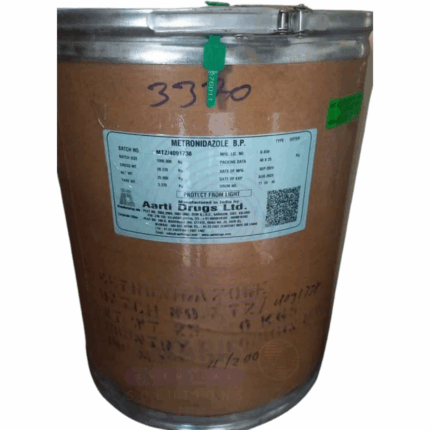
Metronidazole BP
Metronidazole BP is a benzoate ester derivative of metronidazole, used primarily as an antiprotozoal and antibacterial agent. It is a prodrug that hydrolyzes in the body to release metronidazole, making it more palatable for pediatric and geriatric oral suspensions. It complies with the British Pharmacopoeia (BP) standards for purity and efficacy.

Polysorbates
Polysorbates are a class of nonionic surfactants derived from sorbitol and fatty acids, commonly used as emulsifiers, solubilizers, and dispersing agents in a wide range of industries. They improve the mixing of oil and water phases, stabilize emulsions, and enhance the texture and consistency of formulations. Polysorbates are widely used in pharmaceuticals, cosmetics, food products, and industrial applications due to their biocompatibility, low toxicity, and effectiveness at low concentrations.
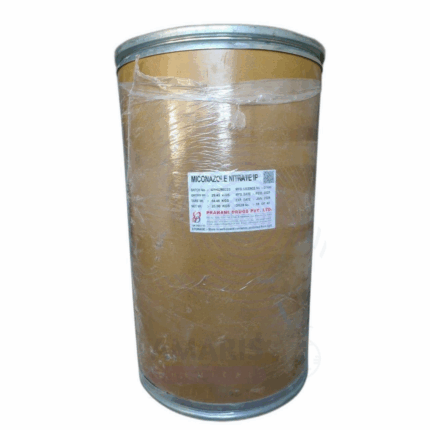
Miconazole Nitrate BP
Miconazole Nitrate BP is a high-purity, pharmaceutical-grade antifungal agent conforming to British Pharmacopoeia (BP) specifications. It is widely used in the formulation of topical and oral pharmaceutical products for the treatment of fungal infections caused by dermatophytes and yeasts, including Candida species. Miconazole Nitrate functions by inhibiting the biosynthesis of ergosterol, a vital component of fungal cell membranes, leading to cell death.
This white to off-white crystalline powder is highly effective and exhibits broad-spectrum antifungal and some antibacterial activity. It is commonly utilized in creams, ointments, powders, and gel formulations.
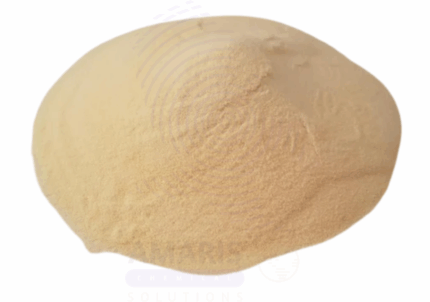
Norfloxacin
Norfloxacin is a synthetic broad-spectrum fluoroquinolone antibiotic used primarily to treat bacterial infections. It works by inhibiting bacterial DNA gyrase and topoisomerase IV, enzymes essential for DNA replication, transcription, repair, and recombination, leading to bacterial cell death. Norfloxacin is effective against various Gram-negative and some Gram-positive bacteria and is commonly used in urinary tract infections, prostatitis, and gastroenteritis.
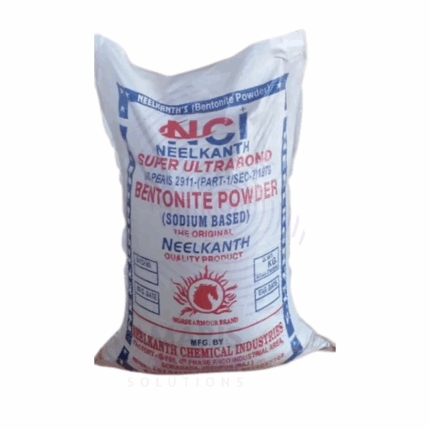
Bentonite Powder
Bentonite powder is a naturally occurring absorbent clay primarily composed of montmorillonite, a type of smectite clay mineral. It exhibits excellent swelling and water absorption properties, making it highly versatile in industrial and commercial applications. Bentonite forms a gel-like substance when mixed with water, which imparts viscosity and plasticity. It is used extensively for its binding, sealing, and adsorptive characteristics. Its fine powder form allows for easy incorporation in various processes including drilling, foundry, cosmetics, pharmaceuticals, and agriculture.
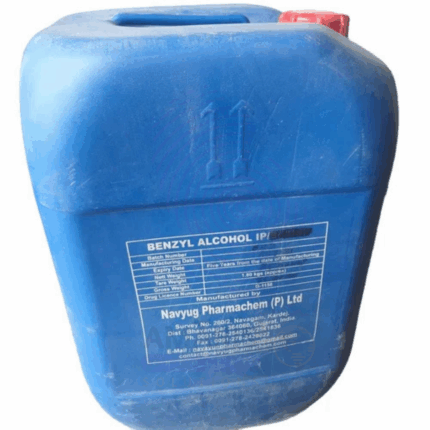
Benzyl Alcohol
Benzyl Alcohol is an aromatic alcohol with a mild pleasant odor and clear, colorless liquid appearance. It serves as a versatile solvent, preservative, and intermediate in chemical synthesis. Benzyl Alcohol is widely used across pharmaceuticals, cosmetics, paints, coatings, and as a bacteriostatic agent in injectable drugs. Its relatively low toxicity and good solvent properties make it valuable in both industrial and consumer products.
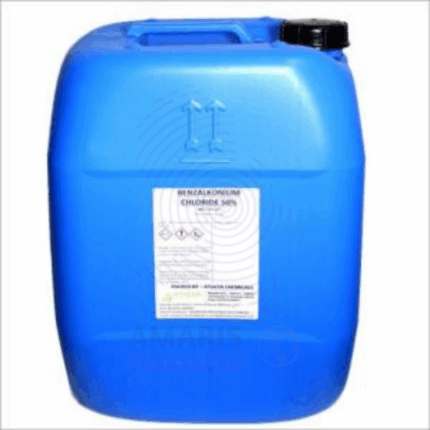
Benzyl Konium Chloride
Benzyl Konium Chloride (BAC) 50% is a quaternary ammonium compound with potent antimicrobial and disinfectant properties. It is a cationic surfactant widely used for its bactericidal, fungicidal, and virucidal effects. This clear to pale yellow liquid concentrate is highly soluble in water and is commonly used in healthcare, sanitation, and industrial hygiene applications. BAC 50% solutions serve as active ingredients in disinfectants, sanitizers, and antiseptics due to their effectiveness against a broad spectrum of microorganisms.
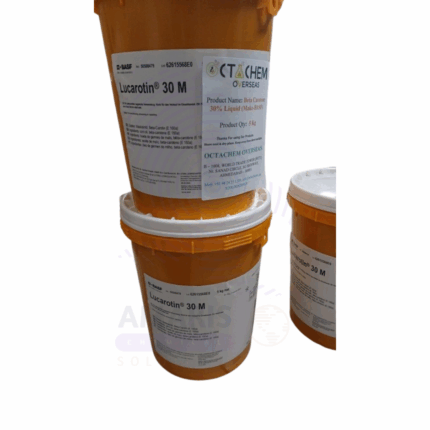
Beta Carotene
Beta Carotene is a concentrated formulation of beta carotene, a naturally occurring red-orange pigment found in plants and fruits. It is a precursor to vitamin A and a potent antioxidant that helps protect cells from oxidative damage. This product, typically suspended in an oil base or suitable carrier, is widely used as a natural colorant, nutritional supplement, and cosmetic ingredient. Beta Carotene 30% SUN offers enhanced stability under sunlight exposure, making it ideal for food, feed, and cosmetic applications where light stability is critical.
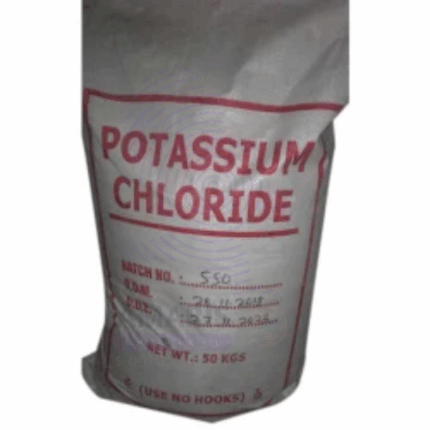
Potassium Chloride BP
Potassium Chloride BP (British Pharmacopoeia grade) is a high-purity, pharmaceutical-grade potassium salt widely used in medical, agricultural, and industrial applications. It is a white crystalline solid that is highly soluble in water and serves as an essential source of potassium ions in various biochemical and physiological processes. The BP grade ensures strict compliance with purity and quality standards, making it suitable for pharmaceutical formulations and clinical use.
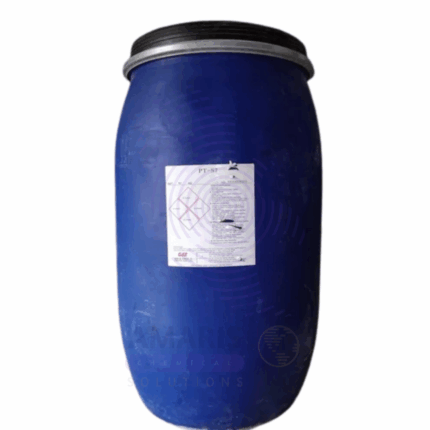
Cocamino Propyl Betaine Desmocol
Cocamino Propyl Betaine Desmocol is a mild amphoteric surfactant derived from coconut oil fatty acids and amino acids. It appears as a clear to slightly hazy liquid with a faint coconut-like odor. CAPB is widely used in personal care and household cleaning products for its excellent foaming, cleansing, and conditioning properties. Being a zwitterionic surfactant, it is compatible with anionic, cationic, and nonionic surfactants, enhancing the mildness and stability of formulations. The 30% active solution is easy to handle and incorporate in various cosmetic and detergent products. It functions as a foam booster, viscosity builder, and anti-irritant agent, making it a versatile ingredient in mild formulations.
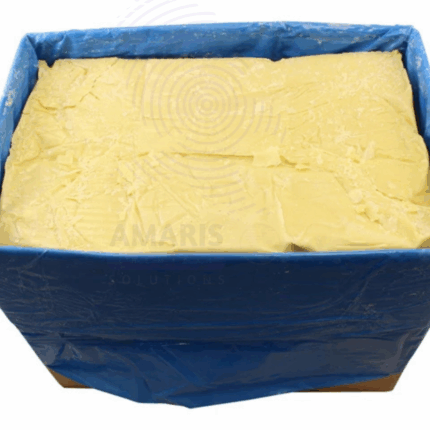
Cocoa Butter
Cocoa Butter, also known as Theobroma oil, is a pale-yellow, edible fat extracted from cocoa beans, primarily from Theobroma cacao. It has a smooth, creamy texture and a mild, characteristic chocolate aroma. Cocoa Butter is solid at room temperature but melts near body temperature, which gives it a luxurious feel when applied to skin or consumed. It is highly valued for its emollient, moisturizing, and protective properties. Cocoa Butter is widely used in cosmetics, pharmaceuticals, food, and confectionery industries. Its stable composition rich in fatty acids such as stearic, palmitic, and oleic acids imparts excellent oxidative stability and a long shelf life.
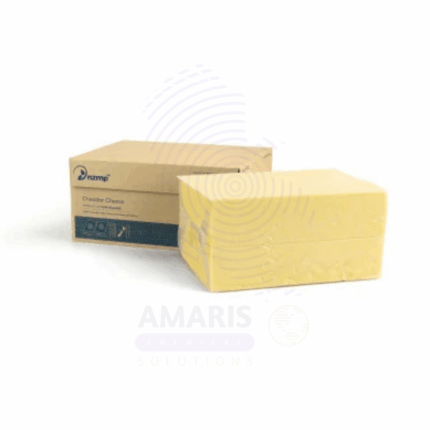
Coffee Butter
Coffee Butter is a natural, plant-derived fat extracted primarily from the coffee seed pulp or coffee cherry, sometimes from the coffee bean itself. It is a creamy, pale yellow to light brown solid at room temperature with a mild coffee aroma. Coffee Butter is rich in fatty acids, antioxidants, and vitamins, making it a valuable ingredient in cosmetics, skincare, and specialty food products. Known for its emollient, moisturizing, and antioxidant properties, Coffee Butter helps to nourish and protect the skin while providing a pleasant sensory experience. It is gaining popularity as a sustainable by-product of coffee processing, contributing to zero-waste initiatives.

Potassium Metabisulphite Food Grade
Potassium Metabisulphite Food Grade is a white crystalline powder with strong antioxidant and preservative properties. It is widely used in the food and beverage industry as a disinfectant, antioxidant, and preservative to prevent spoilage and microbial growth. It also acts as a bleaching agent and sulfur dioxide (SO₂) source. This compound is critical in winemaking, brewing, and food processing to maintain product quality and extend shelf life.
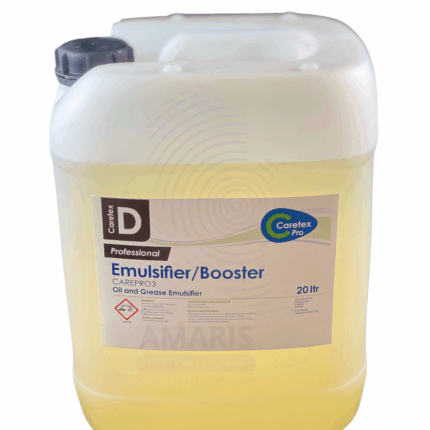
Booster Emulsifier
Booster Emulsifier is a specialized surfactant-based additive formulated to enhance the stability, texture, and uniformity of emulsions in food, cosmetic, and pharmaceutical formulations. It acts by reducing surface tension between immiscible liquids such as oil and water, facilitating the formation of stable, homogeneous emulsions. Booster Emulsifier is valued for its ability to improve product appearance, extend shelf life, and enhance sensory properties such as mouthfeel and creaminess. It is typically available as a liquid or powder and compatible with a wide range of ingredients.
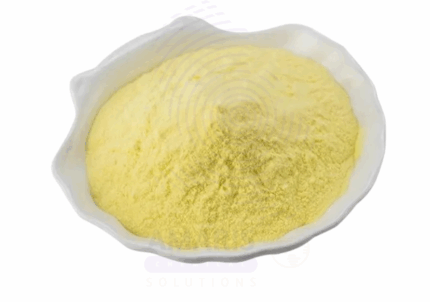
Nystatin EP5
Nystatin EP5 is a polyene antifungal antibiotic used to treat fungal infections caused primarily by Candida species. It acts by binding to ergosterol in fungal cell membranes, creating pores that lead to cell leakage and death. Nystatin EP5 is widely used in pharmaceutical formulations for topical, oral, and mucosal candidiasis treatment. It is non-absorbable from the gastrointestinal tract, making it effective for treating infections in the mouth, throat, and intestines.
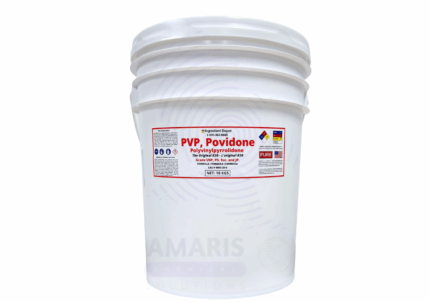
Povidone PVP25 USP
Povidone PVP25 USP is a synthetic polymer of vinylpyrrolidone with an average molecular weight of approximately 25,000. It is a water-soluble, non-toxic, and biodegradable polymer widely used as a binder, film former, stabilizer, and solubilizing agent in pharmaceutical, cosmetic, and industrial applications. Its excellent adhesive properties and compatibility with a wide range of substances make it essential in tablet formulations, topical products, and adhesives.
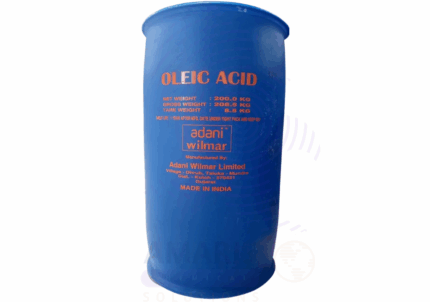
Oleic Acid
Oleic Acid is a naturally occurring monounsaturated fatty acid commonly derived from vegetable oils such as olive, sunflower, and canola oils. This oily liquid is widely used in the chemical, pharmaceutical, cosmetic, and food industries due to its excellent emollient, surfactant, and stabilizing properties. Oleic Acid 75% is a key raw material in manufacturing soaps, detergents, lubricants, and personal care products. Its amphiphilic nature makes it an effective emulsifier and penetration enhancer.
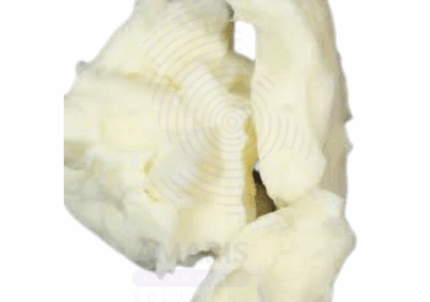
Olive Butter
Olive Butter is a natural, creamy, and rich emollient derived from cold-pressed olive oil combined with other natural butters (such as shea or cocoa butter) to create a luxurious skin-conditioning product. It is prized for its deep moisturizing, antioxidant-rich, and soothing properties, making it a popular ingredient in skincare, haircare, and cosmetic formulations. Olive Butter enhances skin elasticity, provides nourishment, and forms a protective barrier against environmental stressors.

Oxyclozanide Vet BP
Oxyclozanide Vet BP is a veterinary anthelmintic effective mainly against liver fluke (Fasciola hepatica) and some intestinal flukes in ruminants such as cattle, sheep, and goats. It works by interfering with the parasite’s energy metabolism, leading to parasite death and improving animal health and productivity.
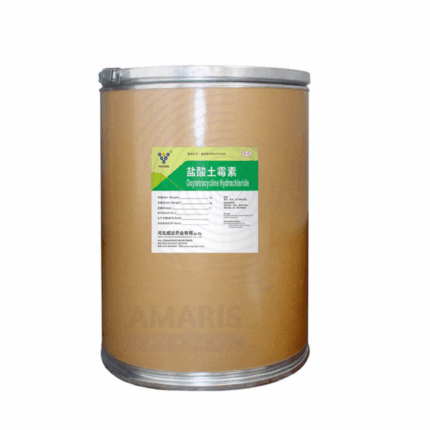
Oxytetracycline HCL BP
Oxytetracycline HCL BP is a broad-spectrum tetracycline antibiotic used in human and veterinary medicine. It inhibits bacterial protein synthesis by binding to the 30S ribosomal subunit, thus preventing the growth and multiplication of susceptible bacteria. Oxytetracycline HCL is effective against a wide range of Gram-positive and Gram-negative bacteria, as well as some protozoa. It is commonly employed to treat respiratory, urinary, and skin infections, and is also used extensively in veterinary applications to control infectious diseases in livestock and poultry.
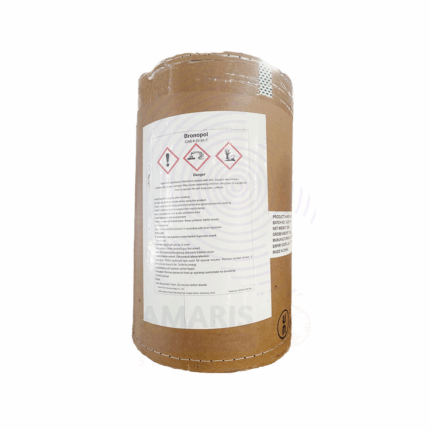
Bronopol
Bronopol (2-Bromo-2-nitropropane-1,3-diol) is a water-soluble, white crystalline powder or granules with a slight odor. It is a synthetic antimicrobial agent widely used as a preservative in personal care products, pharmaceuticals, cosmetics, and industrial applications. Bronopol exhibits broad-spectrum bactericidal and fungicidal activity, making it effective against a wide range of microorganisms. It works by releasing active formaldehyde slowly, which disrupts microbial metabolism and reproduction.
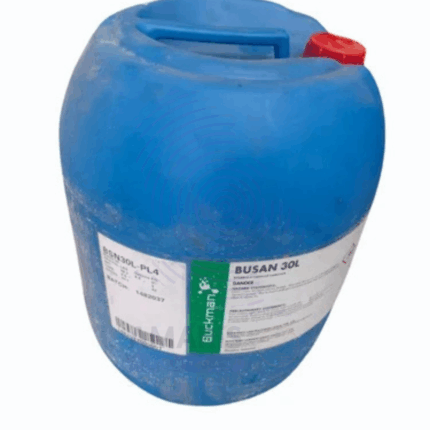
Busan
Busan is a brand name associated with a comprehensive range of specialty chemicals, primarily including surfactants, dispersants, and performance additives. These products are engineered to optimize the properties of coatings, paints, inks, adhesives, and other industrial formulations. Busan specialty chemicals enhance formulation stability, improve pigment dispersion, control rheology, and boost wetting and flow characteristics, leading to superior application and end-use performance. Designed for versatility and efficiency, Busan products are widely used across the coatings, printing, plastics, and chemical manufacturing industries.
Magnesium Ascorbyl Phosphate
Magnesium Ascorbyl Phosphate (MAP) is a stable, water-soluble derivative of Vitamin C, combined with magnesium. It offers antioxidant benefits and skin-brightening effects with improved stability and lower irritation compared to pure ascorbic acid. Widely used in cosmetics and pharmaceuticals, MAP promotes collagen synthesis, reduces pigmentation, and protects skin from oxidative damage.
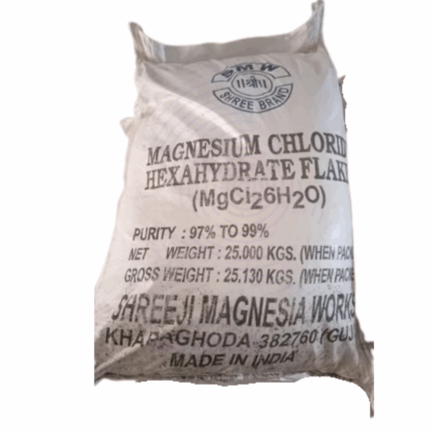
Magnesium Chloride Hexahydrate BP
Magnesium Chloride Hexahydrate BP is a pharmacopeial grade white crystalline solid with the chemical formula MgCl₂·6H₂O. It is highly soluble in water and is used extensively in pharmaceutical, medical, and industrial applications. This grade meets British Pharmacopoeia (BP) standards ensuring high purity and suitability for medical and food-related uses. Magnesium Chloride Hexahydrate BP provides essential magnesium ions which play a critical role in numerous physiological functions.
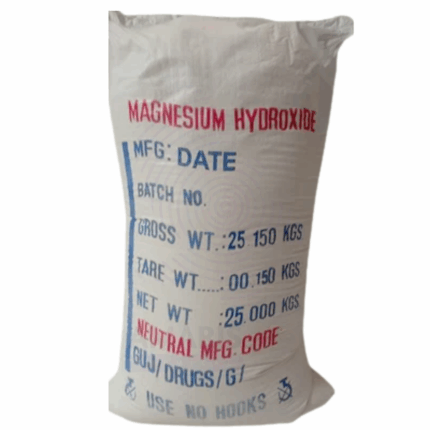
Magnesium Hydroxide BP
Magnesium Hydroxide BP is a white, odorless, fine powder or suspension with the chemical formula Mg(OH)₂. It is a pharmacopeial grade material meeting British Pharmacopoeia standards, widely used for its antacid, laxative, and neutralizing properties. Magnesium Hydroxide BP is sparingly soluble in water, releasing hydroxide ions that neutralize acids and increase pH. It finds broad applications in pharmaceuticals, water treatment, environmental management, and industrial processes.
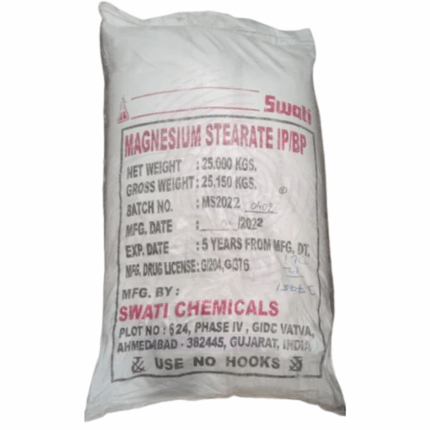
Magnesium Stearate BP
Magnesium Stearate BP is a fine, white, hydrophobic powder composed of the magnesium salt of stearic acid. It is widely used in the pharmaceutical industry as a lubricant and anti-adherent in tablet and capsule manufacturing. Due to its excellent flow-enhancing properties, Magnesium Stearate BP improves powder flowability and prevents ingredients from sticking to equipment during processing. It is also used in cosmetics, food, and various industrial applications for its emulsifying and stabilizing properties.
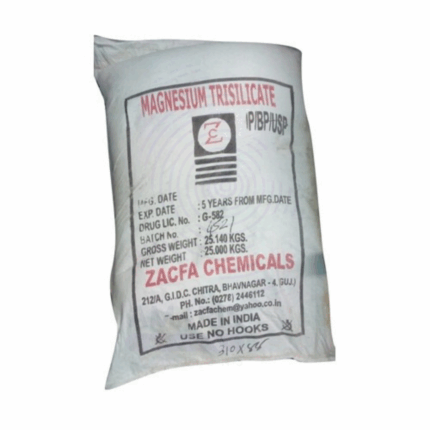
Magnesium Trisilicate BP
Magnesium Trisilicate BP is a fine, white to off-white, odorless powder used primarily as an antacid and adsorbent. It is a hydrated magnesium salt of orthosilicic acid with excellent acid-neutralizing capacity. Classified under the British Pharmacopoeia (BP), it meets pharmaceutical-grade purity standards. Its high surface area and adsorptive properties make it useful in treating gastrointestinal discomfort, as well as in various industrial and food applications. It is insoluble in water and alcohol but reacts slowly with dilute acids.
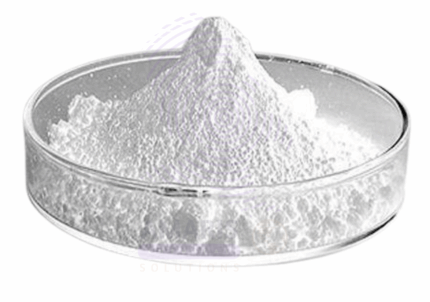
Prednisolone Base
Prednisolone Base is a synthetic glucocorticoid steroid widely used for its potent anti-inflammatory and immunosuppressive properties. It is the active form of prednisolone, commonly administered in various pharmaceutical formulations including tablets, injectables, and topical creams. This compound helps manage conditions involving inflammation, allergic reactions, and immune system disorders by modulating the body’s response to these processes.
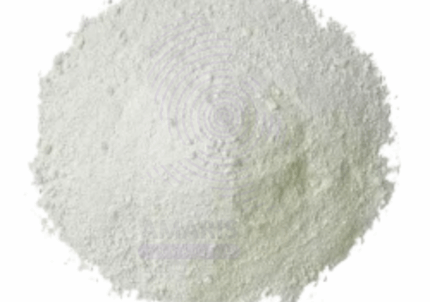
Prednisolone Sodium Phosphate
Prednisolone Sodium Phosphate is a water-soluble ester of prednisolone, a synthetic glucocorticoid steroid with potent anti-inflammatory and immunosuppressive effects. Its enhanced solubility makes it suitable for injectable formulations and rapid systemic action. It is commonly used to treat various inflammatory, allergic, and autoimmune conditions, offering effective modulation of immune responses and inflammation.
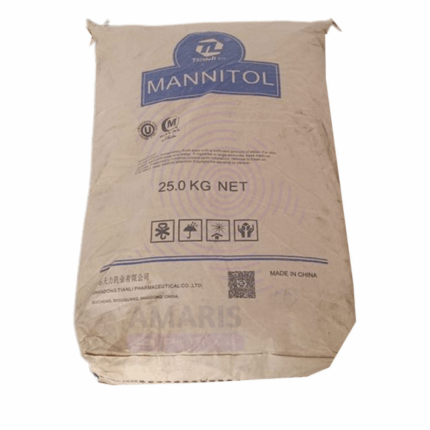
Maninitol BP
Maninitol BP is a white, crystalline, sugar alcohol derived from mannose, widely used in pharmaceutical, food, and cosmetic industries. It functions as a sweetener, humectant, and excipient. Mannitol BP is non-hygroscopic and has low sweetness compared to sucrose, making it ideal for sugar-free formulations. It is commonly employed in tablet manufacturing as a filler and binder, and in medical settings as an osmotic diuretic to reduce intracranial pressure. The British Pharmacopoeia (BP) grade ensures compliance with pharmacopeial standards for purity and quality.
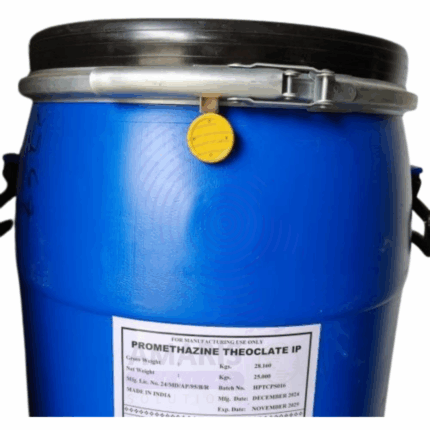
Promethazine
Promethazine is a first-generation antihistamine with potent sedative, antiemetic, and anticholinergic properties. It is commonly used to treat allergic reactions, nausea, vomiting, motion sickness, and as a sedative or sleep aid. Its broad pharmacological effects make it valuable in both acute and chronic medical settings for symptom relief and prevention
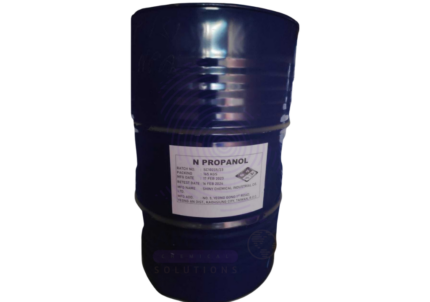
N-Propanol
N-Propanol, also known as n-Propyl Alcohol or 1-Propanol, is a clear, colorless, low-viscosity liquid with a characteristic mild alcohol-like odor. It is a primary alcohol with the molecular formula C₃H₈O, fully miscible with water and common organic solvents such as alcohols, ketones, ethers, glycols, and hydrocarbons. This high-purity, semi-volatile, polar solvent serves as both a versatile solvent and a chemical intermediate across multiple industrial sectors. N-Propanol has a flash point of 15–23°C and is classified as a highly flammable liquid. Technical grade N-Propanol is manufactured for industrial applications and is not intended for direct human consumption unless specifically certified as USP or Food Grade.
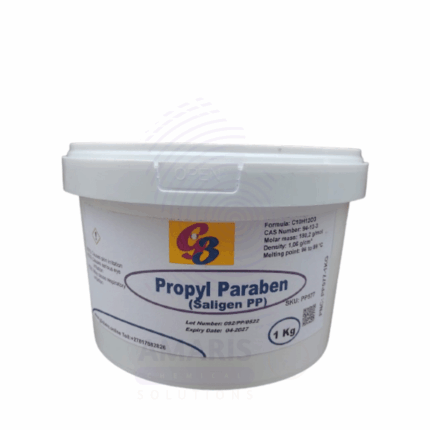
Propyl paraben
Propyl Paraben is a widely used preservative belonging to the paraben family, known for its antimicrobial properties. It is commonly employed to inhibit the growth of bacteria, mold, and yeast in cosmetic, pharmaceutical, and food products. Propyl Paraben is favored for its effectiveness, low toxicity, and compatibility with a broad range of formulations, helping extend product shelf life while maintaining safety.
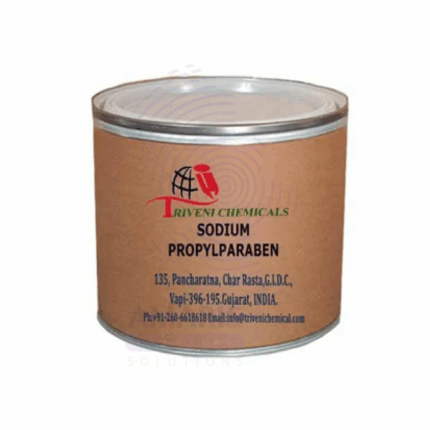
Propyl Paraben Sodium BP
Propyl Paraben Sodium BP is the sodium salt derivative of propyl paraben, widely used as an effective antimicrobial preservative. It offers improved water solubility compared to propyl paraben and is commonly employed in pharmaceutical, cosmetic, and food products to inhibit the growth of bacteria, molds, and yeasts, thereby extending shelf life and ensuring product safety.
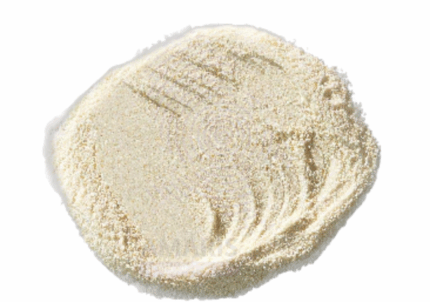
Pullulan
Pullulan is a natural polysaccharide polymer produced by the fermentation of starch by the fungus Aureobasidium pullulans. It is a water-soluble, tasteless, and odorless biopolymer widely used in the food, pharmaceutical, and cosmetic industries due to its excellent film-forming, adhesive, and oxygen barrier properties. Pullulan is biodegradable, non-toxic, and approved for use in various applications requiring edible and biodegradable films.
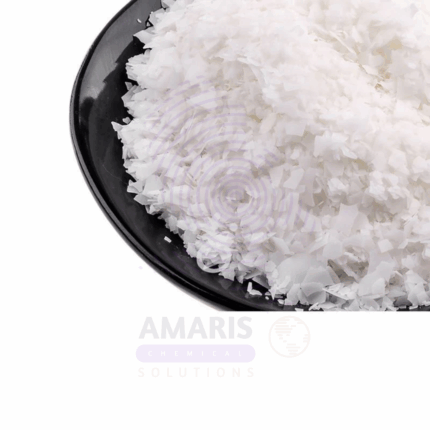
Almond Wax
Almond Wax is a natural, plant-based wax derived from the hydrogenation of almond oil (Prunus amygdalus dulcis). It is a creamy to white, semi-solid wax with a mild, nutty scent and excellent emollient properties. Almond Wax is rich in fatty acids and has a smooth, soft texture, making it ideal for use in cosmetic, personal care, and candle formulations.
Due to its gentle consistency, skin-friendly profile, and moisturizing capabilities, Almond Wax is widely used in body butters, balms, lip care products, massage bars, and artisan soaps. It functions as a natural alternative to petroleum-based waxes and provides structure, viscosity, and glide to formulations. It also finds application in soft wax blends for natural candle products.
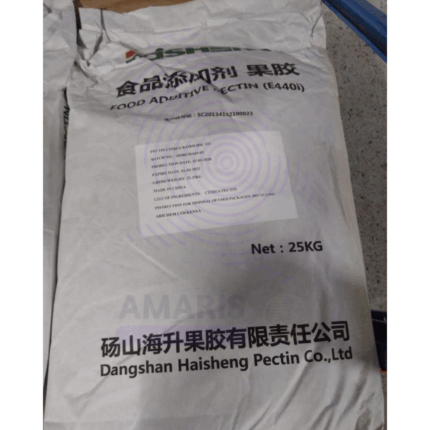
Pectin HM
Pectin HM (High Methoxyl) is a natural polysaccharide extracted primarily from citrus peels and apple pomace. It is widely used as a gelling agent, stabilizer, and thickener in the food industry. Pectin HM requires high sugar content and acidic conditions to form a gel, making it ideal for jams, jellies, and confectionery products. It also finds applications in pharmaceuticals and cosmetics for its film-forming and stabilizing properties.
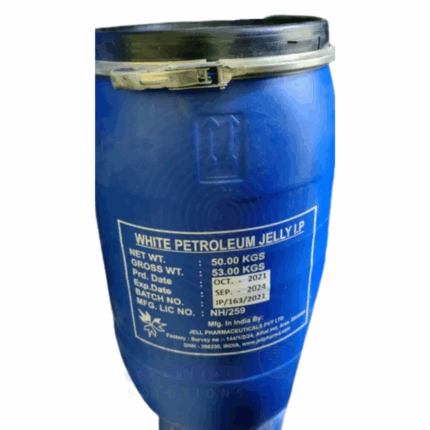
Petroleum Jelly
Petroleum Jelly is a semi-solid mixture of hydrocarbons, originally derived from petroleum refining. It is odorless, colorless (or slightly yellow), and known for its moisturizing, protective, and lubricating properties. Widely used in cosmetics, pharmaceuticals, and industrial applications, Petroleum Jelly forms a barrier on the skin that locks in moisture and protects against irritants. The 175kg packaging is typical for bulk industrial or large-scale cosmetic use.
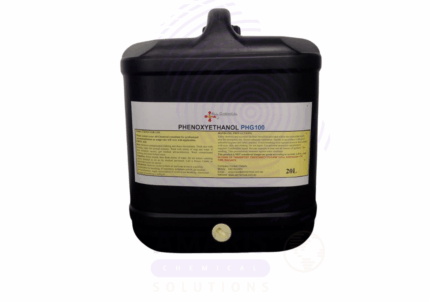
Phenoxyethanol
Phenoxyethanol 10 is a glycol ether commonly used as a preservative and antimicrobial agent in cosmetic and pharmaceutical formulations. It is a clear, colorless to pale yellow liquid with a mild floral scent. Phenoxyethanol offers broad-spectrum antibacterial and antifungal properties, making it an effective alternative to parabens in many products. Its stability, low toxicity, and compatibility with various ingredients make it a popular choice in personal care and industrial applications.
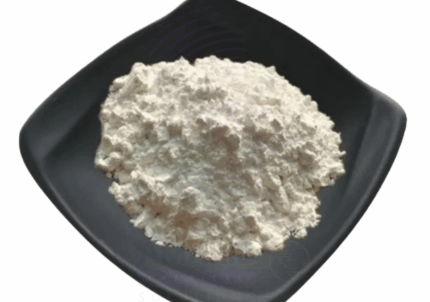
Phloretin
Phloretin is a natural dihydrochalcone flavonoid primarily extracted from apple tree leaves and other fruit sources. It is recognized for its potent antioxidant properties and its ability to inhibit melanin synthesis, making it highly valued in cosmetic and pharmaceutical industries. Phloretin is a yellowish crystalline powder with low solubility in water but good solubility in organic solvents. It is widely used in skincare formulations for its skin-brightening, anti-aging, and anti-inflammatory benefits.
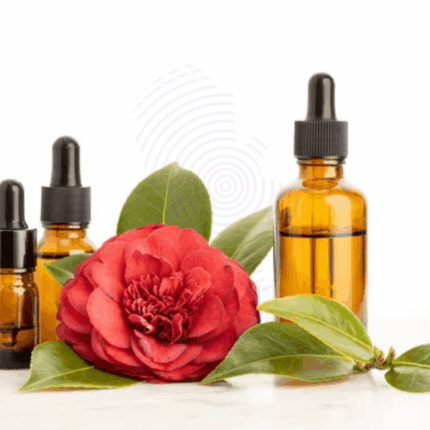
Camelia Oil Infused
Camelia Oil Infused is a gentle, nutrient-rich botanical oil made by infusing the flowers or leaves of the Camellia sinensis or Camellia japonica plant into a carrier oil such as olive, jojoba, or sweet almond oil. Unlike cold-pressed camellia seed oil, this infusion captures a wider spectrum of antioxidant polyphenols, flavonoids, and saponins from the plant material, delivering enhanced skin and hair benefits. Known for its lightweight, non-greasy texture and rapid absorption, Camellia Infused Oil is deeply moisturizing and ideal for sensitive, dry, or aging skin.
Popular in Japanese and Korean beauty traditions, this oil is often used to promote skin elasticity, smoothness, and overall rejuvenation, making it a preferred ingredient in natural cosmetic and personal care products.
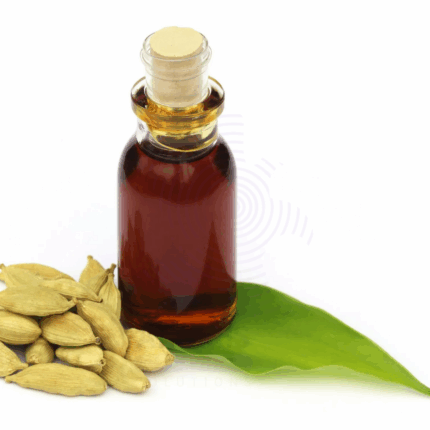
Cardamon Oil
Cardamon Oil is a premium essential oil steam-distilled from the seeds of Elettaria cardamomum, a plant native to India and Sri Lanka and widely cultivated across tropical regions. It carries a warm, spicy-sweet aroma with hints of eucalyptus and citrus, and ranges from colorless to pale yellow in appearance. Known for its digestive, antiseptic, expectorant, and uplifting qualities, it is valued in aromatherapy, perfumery, cosmetics, pharmaceuticals, and food applications.
Rich in compounds like cineole (1,8-cineole), α-terpineol, and linalyl acetate, Cardamom Oil provides both flavor and therapeutic effects, making it a versatile ingredient across several industries.
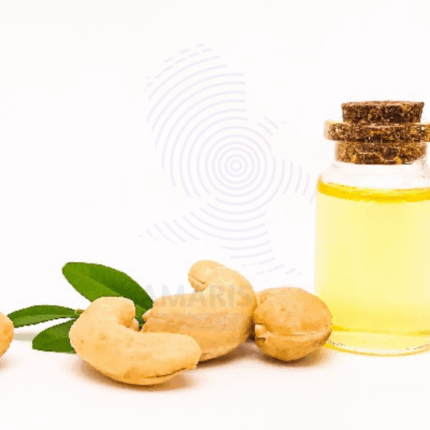
Cashew Nut Oil
Cashew Nut Oil is a light, golden to pale yellow oil extracted from the kernels of the cashew tree (Anacardium occidentale), native to tropical regions such as Brazil, India, and parts of Africa. The oil is obtained through cold-pressing or solvent extraction methods and is known for its emollient, antioxidant, and skin-conditioning properties.
Rich in oleic, linoleic, and palmitic acids, as well as vitamin E, phytosterols, and phenolic compounds, Cashew Nut Oil is used extensively in cosmetic and personal care applications, as well as in certain food and pharmaceutical formulations. Its light texture and high skin compatibility make it ideal for dry and sensitive skin, while its nutritive properties contribute to hair and scalp health.
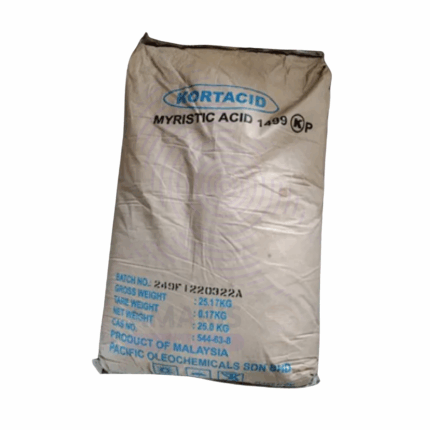
Myristic Acid
Myristic Acid is a saturated fatty acid with a 14-carbon chain, naturally found in nutmeg, coconut oil, palm kernel oil, and butter fat. It appears as a white crystalline solid with a faint odor. It is widely used in the manufacture of soaps, cosmetics, surfactants, and food additives due to its emollient and cleansing properties. Myristic Acid acts as a key intermediate in the production of esters, detergents, and lubricants.
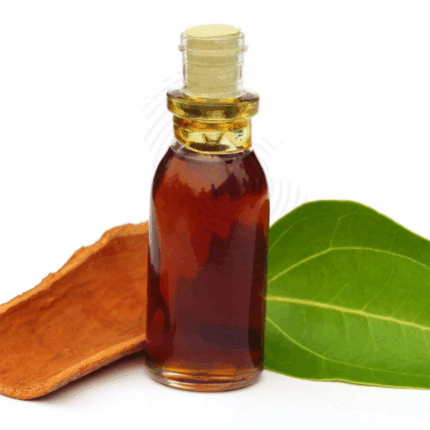
Cassia Oil
Cassia Oil is a potent essential oil steam-distilled from the bark of Cinnamomum cassia, commonly known as Chinese cinnamon. It carries a strong, spicy, and warm aroma similar to true cinnamon but is more pungent and intense. Its reddish-brown to yellow appearance and high cinnamaldehyde content give it powerful antimicrobial, antifungal, and warming properties. Cassia Oil is used across various industries including food flavoring, pharmaceuticals, cosmetics, aromatherapy, and household products. Due to its strength, it is typically used in diluted concentrations.
Naphazolin hCL USP
Naphazolin hCL USP (Naphazolin HCL) is a topical sympathomimetic agent commonly used as a nasal decongestant and ophthalmic vasoconstrictor. It is a white to off-white crystalline powder soluble in water and alcohol. Naphazolin HCL works by constricting blood vessels, reducing swelling and redness in mucous membranes and eyes. It is widely used in pharmaceutical formulations such as nasal sprays and eye drops.












