

 Preservatives(food)
 Flavor Enhancers
 Acidulants
 Sweeteners
 Antioxidants
 Colorants(food)
 Nutraceutical Ingredients (food)
 Nutrient Supplements
 Emulsifiers
 Collectors
 Dust Suppressants
 Explosives and Blasting Agents
 Flocculants and Coagulants
 Frothers
 Leaching Agents
 pH Modifiers
 Precious Metal Extraction Agents
 Antioxidants(plastic)
 Colorants (Pigments, Dyes)
 Fillers and Reinforcements
 Flame Retardants
 Monomers
 Plasticizers
 Polymerization Initiators
 Stabilizers (UV, Heat)
 Antifoaming Agents
 Chelating Agents
 Coagulants and Flocculants
 Corrosion Inhibitors
 Disinfectants and Biocides
 Oxidizing Agents
 pH Adjusters
 Scale Inhibitors( water)
 Antioxidants(cosmetic)
 Emollients
 Fragrances and Essential Oils
 Humectants
 Preservatives
 Surfactants(cosmetic)
 Thickeners
 UV Filters
 Fertilizers
 Soil Conditioners
 Plant Growth Regulators
 Animal Feed Additives
 Biostimulants
 Pesticides (Herbicides, Insecticides, Fungicides)
 Active Pharmaceutical Ingredients (APIs)
 Excipients
 Solvents(pharmaceutical)
 Antibiotics
 Antiseptics and Disinfectants
 Vaccine Adjuvants
 Nutraceutical Ingredients (pharmaceutical)
 Analgesics & Antipyretics
 Analytical Reagents
 Solvents(lab)
 Chromatography Chemicals
 Spectroscopy Reagents
 microbiology-and-cell-culture-reagents
 Molecular Biology Reagents
 Biochemical Reagents
 Inorganic and Organic Standards
 Laboratory Safety Chemicals
 Specialty Laboratory Chemicals(Special Laboratory Equipment)
 Demulsifiers
 Hydraulic Fracturing Fluids
 Scale Inhibitors(oil)
 Surfactants(oil)
 Drilling Fluids
 Dyes and Pigments
 Bleaching Agents
 Softening Agents
 Finishing Agents
 Antistatic Agents
 Admixtures
 Waterproofing Agents
 Sealants and Adhesives
 Curing Compounds
 Concrete Repair Chemicals
 Anti-Corrosion Coatings
 Surfactants(cleaning)
 Builders
 Enzymes
 Solvents (Cleaning)
 Fragrances
 Electronic Chemicals
 Catalysts
 Lubricants
 Photographic Chemicals
 Refrigerants
 Automotive chemicals
 Pyrotechnic Chemicals
 Biodegradable Surfactants
 Bio-based Solvents
 Renewable Polymers
 Carbon Capture Chemicals
 Wastewater Treatment Chemicals
 Pigments
 Solvents(paint)
 Specialty Coatings
 Binders/Resins
 Additives
 Driers
 Anti-Corrosion Agents
 Functional Coatings
 Application-Specific Coatings
 Leavening Agents
 Dough Conditioners
 Flour Treatments
 Fat Replacers
 Decoratives
 Preservatives(baking)
 Plasticizers & Softeners
 Reinforcing Agents
 Adhesion Promoters
 Vulcanizing Agents
 Antidegradants
 Blowing Agents
 Fillers & Extenders
 Accelerators & Retarders

















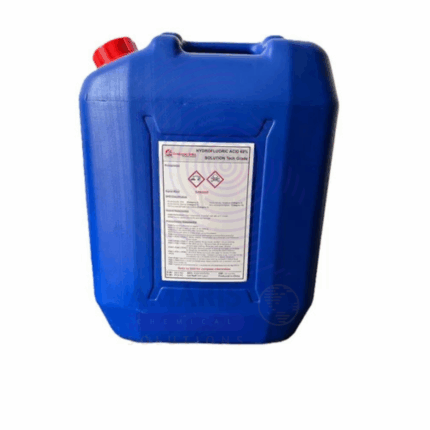
Hydrofluoric Acid
Hydrofluoric Acid is a highly corrosive aqueous solution of hydrogen fluoride gas dissolved in water. It is a colorless to pale yellow fuming liquid with a strong pungent odor. Unlike other mineral acids, HF is a weak acid chemically but uniquely reactive due to its ability to dissolve silica and glass, and penetrate tissues deeply. This makes it invaluable in numerous industrial, laboratory, and specialized applications but also highly hazardous.
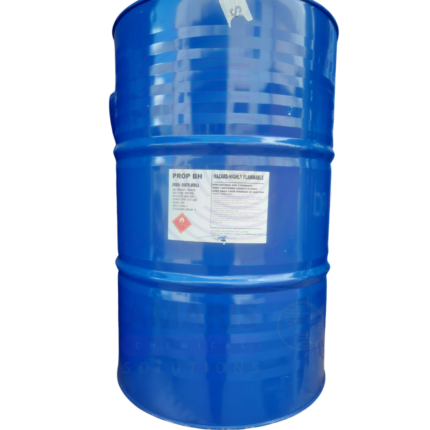
Propylparaben (Prop BH)
Prop BH, also known as Propylparaben or Propyl 4-Hydroxybenzoate, is an organic compound belonging to the paraben family of preservatives. It appears as colorless small crystals or a white crystalline powder with a characteristic mild odor and a slightly bitter taste. The compound is practically insoluble in cold water but readily soluble in alcohols, ethers, and other organic solvents. Propylparaben is widely recognized for its broad-spectrum antimicrobial activity, particularly effective against molds, yeasts, and bacteria. Propylparaben is manufactured for use as a preservative in various industrial applications and is not intended for direct human consumption without appropriate certification.
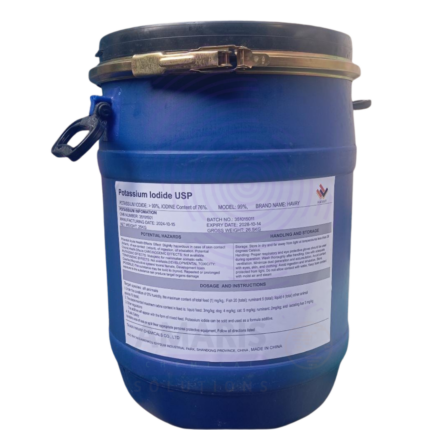
Potassium Iodide USP
Potassium Iodide USP is a high-purity inorganic halogenated salt that meets the strict quality and purity standards of the United States Pharmacopeia (USP). It appears as white crystalline granules or powder, is odorless, and has a characteristic saline taste. This pharmaceutical-grade compound is valued for its ability to act as a source of iodide ions, its high solubility in water, and its stability when properly stored. It is slightly hygroscopic and may become yellow upon prolonged exposure to air due to liberation of iodine, with light and moisture accelerating decomposition, requiring careful packaging and storage. Potassium Iodide USP is manufactured under current Good Manufacturing Practices (cGMP) and is suitable for human pharmaceutical applications, nutritional supplements, and other uses requiring the highest purity standards.

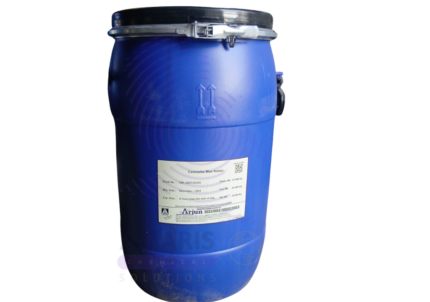
Carnauba Wax Prime Yellow
Carnauba Wax Prime Yellow, also known as Type 1 or Prime Yellow Grade, is the highest quality and purest form of carnauba wax derived from the leaves of the Copernicia cerifera palm tree, native to Brazil. It is a natural, vegetable-based wax prized for its exceptional hardness, high gloss, high melting point, and emulsification properties. Prime Yellow grade represents the finest classification, characterized by its light yellow to pale amber color, low impurities, and superior film-forming characteristics. It is obtained through a meticulous process of harvesting, drying, and processing the palm leaves to extract the waxy coating, which is then refined and graded. Carnauba Wax is often referred to as the "Queen of Waxes" due to its unique combination of properties unmatched by synthetic alternatives. Technical grade Carnauba Wax Prime Yellow is used across numerous industries for its ability to impart gloss, hardness, slip resistance, and moisture barrier properties. It is not intended for direct food consumption but is widely used in food-contact applications such as coatings and packaging.
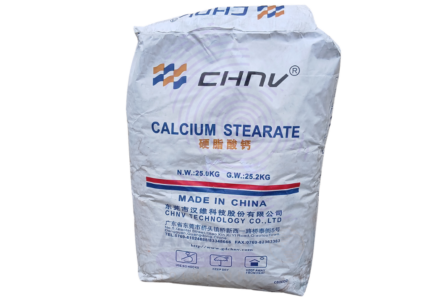
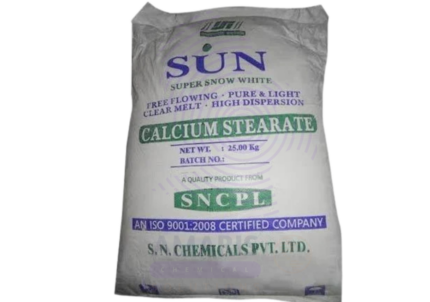
Calcium stearate
Calcium Stearate is a metallic stearate salt, appearing as a fine, white, hydrophobic powder. It is produced through the reaction of stearic acid (a fatty acid derived from natural oils and fats) with calcium oxide or calcium hydroxide. It functions primarily as an acid scavenger, lubricant, release agent, and stabilizer across multiple industrial sectors. Its unique combination of water repellency, low solubility, and high melting point makes it an essential processing additive in plastics, rubber, construction, and paper industries. Technical grade Calcium Stearate is manufactured for industrial performance applications and is not intended for direct food, pharmaceutical, or cosmetic use unless specifically certified and labeled for those applications.
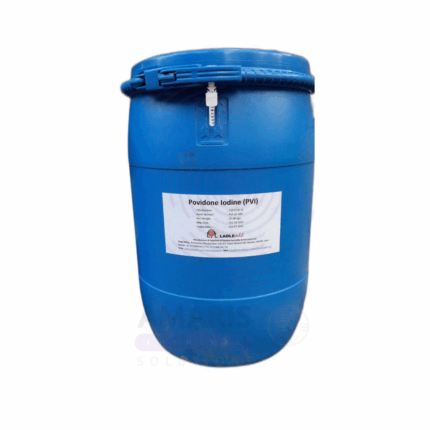
Povidone Iodide BP
Povidone Iodide BP is a water-soluble complex of iodine with the synthetic polymer polyvinylpyrrolidone (PVP). It acts as a broad-spectrum antiseptic effective against bacteria, fungi, viruses, and protozoa. Widely used in medical, pharmaceutical, and veterinary fields, Povidone Iodine provides sustained iodine release, minimizing irritation while offering rapid antimicrobial action. It is essential for wound care, surgical preparation, and infection control.
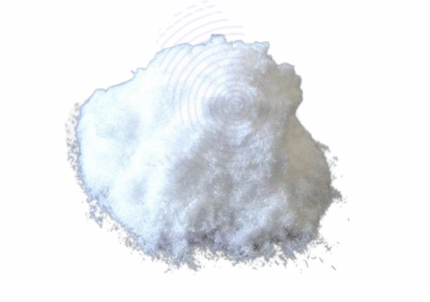
Salicylic Acid BP
Salicylic Acid BP is a white, crystalline organic acid widely used in pharmaceuticals, cosmetics, and industrial applications. Known for its keratolytic, anti-inflammatory, and antiseptic properties, it is an essential ingredient in acne treatments, wart removers, and skin care formulations. The British Pharmacopoeia (BP) grade ensures high purity suitable for medicinal and cosmetic use.
Salbutamol Sulphate BP
Salbutamol Sulphate BP is a white to off-white crystalline powder widely used as a bronchodilator in the treatment of asthma, chronic obstructive pulmonary disease (COPD), and other respiratory conditions. It works by relaxing the muscles in the airways, improving airflow and easing breathing. The British Pharmacopoeia (BP) grade ensures high purity and quality suitable for pharmaceutical formulations such as inhalers, tablets, and syrups.
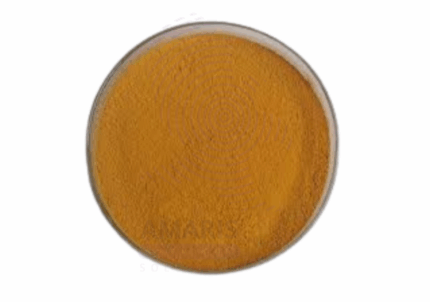
Riboflavin Sodium 5 Phosphate BP
Riboflavin Sodium 5 Phosphate BP is a water-soluble, bioactive derivative of riboflavin (vitamin B2). It is commonly used in pharmaceutical and nutraceutical formulations as a vitamin supplement to prevent or treat riboflavin deficiency. This compound plays a vital role in energy metabolism, cellular function, and acts as a coenzyme in various oxidation-reduction reactions.
Pyrimethamine HCL Micronised
Pyrimethamine HCL Micronised is a finely ground form of pyrimethamine hydrochloride, an antimalarial and antiparasitic drug. The micronised form enhances bioavailability by improving dissolution rate and absorption. It acts by inhibiting dihydrofolate reductase, interfering with folic acid metabolism in protozoa and some bacteria, thus effectively treating malaria and toxoplasmosis. This pharmaceutical-grade compound is used primarily in combination therapies for parasitic infections.
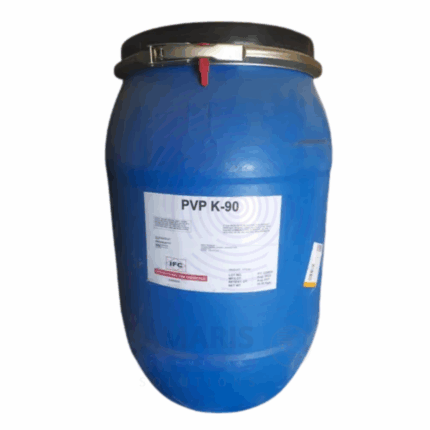
PVP K 90 USP
PVP K 90 USP (Polyvinylpyrrolidone K-90) is a high molecular weight water-soluble polymer widely used in pharmaceutical, cosmetic, and industrial applications. Known for its excellent film-forming, adhesive, and thickening properties, PVP K 90 is particularly valued where higher viscosity and stronger binding are required. This grade meets USP standards, ensuring purity and suitability for pharmaceutical use, especially in sustained-release formulations, suspensions, and topical products.
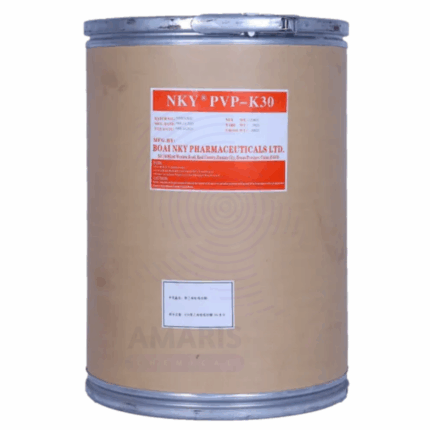
PVP K 30 USP
PVP K 30 USP (Polyvinylpyrrolidone K-30) is a water-soluble polymer widely used in pharmaceutical and cosmetic formulations. It serves as a binder, stabilizer, and film-forming agent, known for its excellent adhesive properties and compatibility with a wide range of ingredients. PVP K 30 USP is characterized by its medium molecular weight, making it ideal for tablet binding, enhancing solubility of poorly soluble drugs, and providing viscosity control in liquid formulations. This grade complies with USP standards ensuring suitability for pharmaceutical use.
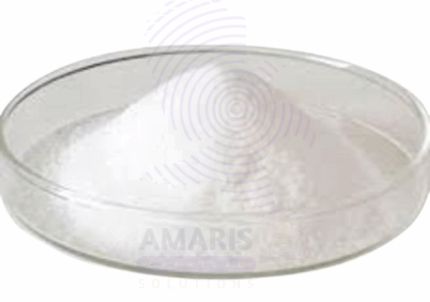
Atropine Sulphate
Atropine Sulphate is a crystalline, water-soluble alkaloid salt derived from the belladonna plant (Atropa belladonna) and other Solanaceae family members. It is a tropane alkaloid with potent anticholinergic properties, widely used in medicine for its ability to block muscarinic acetylcholine receptors. Atropine Sulphate is employed in ophthalmology, emergency medicine, and anesthesia for its effects on the eyes, heart, and smooth muscles. It acts by inhibiting parasympathetic nerve impulses, resulting in pupil dilation, increased heart rate, and reduced gland secretions.
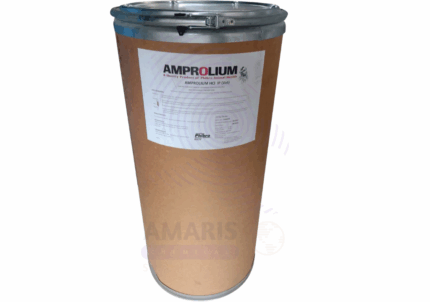
Amprolium Hydrochloride
Amprolium Hydrochloride is a white, odorless, crystalline powder used primarily as a coccidiostat, which means it inhibits the growth of Eimeria species (protozoan parasites) responsible for coccidiosis in poultry and other animals. It works by mimicking thiamine (vitamin B1), thereby competitively inhibiting thiamine uptake by the parasite, disrupting its metabolism, and preventing its proliferation. Amprolium HCl is widely used in veterinary medicine, especially in poultry farming, and is often included in feed or drinking water. It complies with BP 2008 and USP 32 pharmacopeial standards.
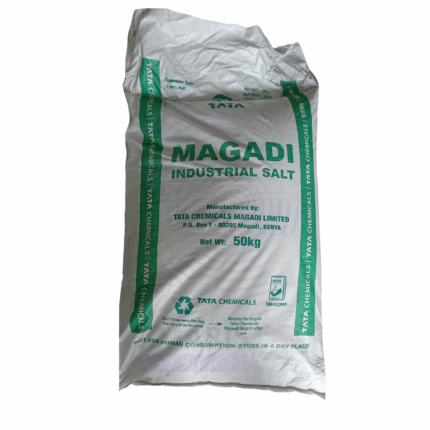
Sodium Chloride (Industrial Salt)
Sodium Chloride (Industrial Salt) is a highly purified, sterile, and non-pyrogenic salt intended for intravenous, intramuscular, and subcutaneous administration. It is commonly used in medical and pharmaceutical settings as a key component of intravenous fluids, for rehydration therapy, electrolyte replenishment, and as a diluent for injectable drugs. This grade meets stringent pharmacopoeial standards (British Pharmacopoeia) ensuring safety and compatibility with parenteral use.

Sodium Ascorbate USP
Sodium Ascorbate USP is a sodium salt of ascorbic acid (Vitamin C) that appears as a white to slightly yellow crystalline powder. It is widely used as an antioxidant and nutritional supplement due to its excellent water solubility and lower acidity compared to pure ascorbic acid. This compound helps prevent oxidation in food and pharmaceutical products and supports human health by boosting the immune system. It meets USP (United States Pharmacopeia) standards for purity and quality, making it suitable for pharmaceutical, food, and cosmetic applications.

Simethicone Emulsion
Simethicone Emulsion is a medical-grade, anti-foaming agent composed of polydimethylsiloxane and silicon dioxide in an emulsified form. Designed to reduce gas bubbles in the gastrointestinal tract, it provides rapid relief from bloating and discomfort. The emulsion formulation enhances bioavailability and mixing with bodily fluids.
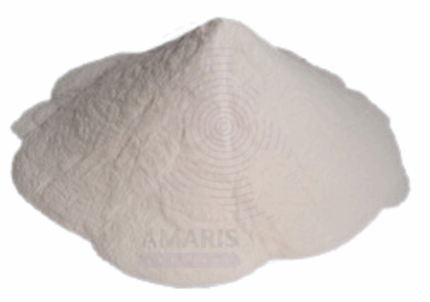
Simethicone USP
Simethicone USP is a silicon-based surfactant used primarily as an anti-foaming and anti-gas agent in pharmaceutical and food industries. It works by reducing the surface tension of gas bubbles, causing them to coalesce and be expelled more easily from the digestive tract. This non-toxic, inert compound is widely used in formulations to relieve bloating, discomfort, and flatulence caused by excess gas. The “USP 28” grade signifies compliance with the United States Pharmacopeia standards, ensuring high purity and quality for medical and food applications.

Silver Sulphadiazine USP
Silver Sulphadiazine USP is a topical antimicrobial agent used primarily in the treatment and prevention of infections in burn wounds and other skin injuries. It combines the broad-spectrum antibacterial effects of silver ions with the antimicrobial properties of sulphadiazine, a sulfonamide antibiotic. This combination helps to prevent bacterial colonization and promotes healing by reducing the risk of infection. Silver Sulphadiazine is widely used in clinical and hospital settings and is available as a cream or ointment formulation meeting United States Pharmacopeia (USP) standards for purity and quality.
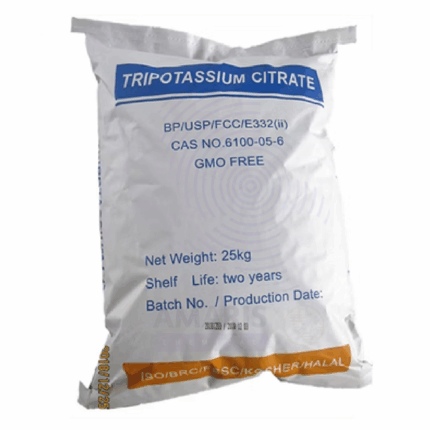
Tripotassium Citrate Monohydrate
Tripotassium Citrate Monohydrate USP is a pharmaceutical-grade potassium salt of citric acid, widely used for its alkalinizing, buffering, and chelating properties. It appears as a white crystalline powder and is highly soluble in water. This compound is primarily used to correct metabolic acidosis, act as a urinary alkalinizer, and serve as an additive in pharmaceutical, food, and industrial applications. The USP grade ensures compliance with United States Pharmacopeia standards, guaranteeing high purity and consistent quality.
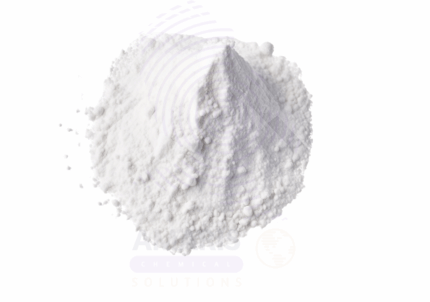
Tripolidine HCL BP
Tripolidine HCL BP is a high-purity pharmaceutical-grade antihistamine used primarily to treat allergic conditions. It acts as a selective H1 histamine receptor antagonist, helping to relieve symptoms such as itching, sneezing, nasal congestion, and hives by blocking the action of histamine. The British Pharmacopoeia (BP) grade ensures compliance with stringent quality standards required for medicinal use. Tripolidine HCL is commonly formulated into tablets and syrups for effective allergy management.

Trimethoprim BP Micronised
Trimethoprim BP Micronised is a high-purity, fine powdered form of trimethoprim, an antibiotic used primarily for its bacteriostatic properties. The micronisation process enhances its solubility and bioavailability, making it more effective in pharmaceutical formulations. Trimethoprim acts by inhibiting bacterial dihydrofolate reductase, thereby preventing bacterial DNA synthesis and growth. It is widely used alone or in combination therapies to treat a variety of bacterial infections.
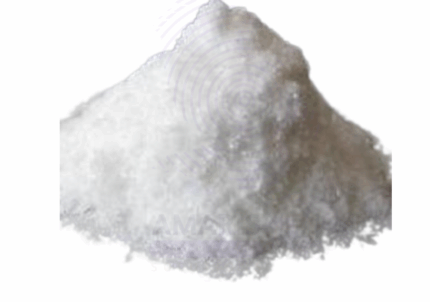
Tobramycin Sulphate
Tobramycin Sulphate USP is a purified, water-soluble sulfate salt of tobramycin, an aminoglycoside antibiotic. It exhibits potent bactericidal activity against a broad spectrum of aerobic Gram-negative bacteria, including Pseudomonas aeruginosa, and certain Gram-positive bacteria. This pharmaceutical-grade compound is primarily used to treat severe infections such as respiratory tract infections, urinary tract infections, and septicemia. Tobramycin Sulphate USP is commonly formulated for injectable, inhalation, and ophthalmic applications, ensuring effective systemic and localized antimicrobial therapy.
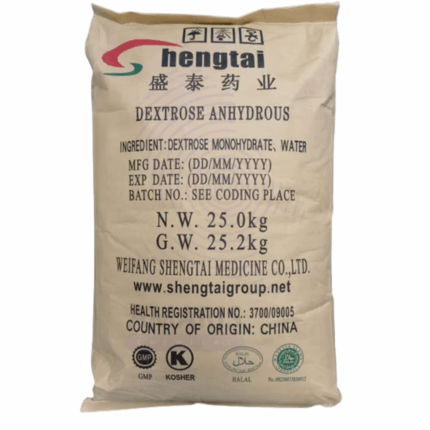
Dextrose Anhydrous BP Injectable
Dextrose Anhydrous BP Injectable is a sterile, highly purified crystalline form of glucose that serves as a critical energy source in intravenous therapy. It is widely used in parenteral nutrition, rehydration, and hypoglycemia management. The anhydrous form contains no water, allowing precise control of concentration in injectable solutions. Meeting British Pharmacopoeia (BP) standards, it ensures pharmaceutical-grade purity and sterility, suitable for direct injection or as a component in compounded IV fluids. It provides readily available carbohydrates metabolized to supply energy, regulate osmolarity, and maintain fluid-electrolyte balance in clinical care.
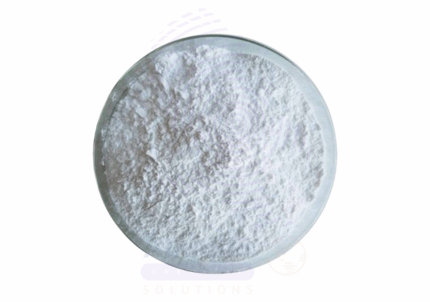
Timolol Maleate BP
Timolol Maleate BP is the British Pharmacopoeia-grade salt form of Timolol, a non-selective beta-adrenergic receptor blocker. It is primarily used in ophthalmic and systemic formulations to manage elevated intraocular pressure and cardiovascular conditions. As a pharmaceutical active ingredient, it is recognized for its potency, stability, and wide applicability in glaucoma treatment, hypertension, and migraine prophylaxis. The maleate salt improves solubility and stability for formulation in eye drops and tablets.
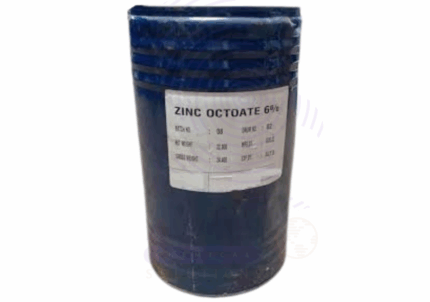
Zinc Octoate
Zinc Octoate is a metal carboxylate solution containing approximately 10% zinc content, derived from zinc and 2-ethylhexanoic acid (octoic acid). It functions as an effective curing agent, catalyst, and crosslinker in various polymer systems such as paints, coatings, adhesives, and rubber compounds. This compound improves film hardness, drying times, and overall durability of finished products, making it widely used in industrial and manufacturing processes.
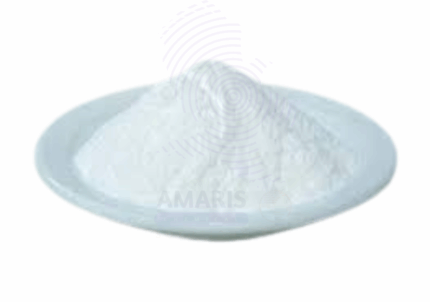
Vitamin K3
Vitamin K3, chemically known as Menadione, is a synthetic, fat-soluble vitamin used primarily in animal nutrition and some pharmaceutical applications. Unlike Vitamins K1 and K2, Vitamin K3 does not occur naturally but is a stable precursor that the body (or animal body) can convert into active forms of Vitamin K. It plays a critical role in blood clotting, bone metabolism, and cellular health. Vitamin K3 is usually available as Menadione Sodium Bisulfite (MSB) or Menadione Nicotinamide Bisulfite (MNB) for enhanced solubility and stability.
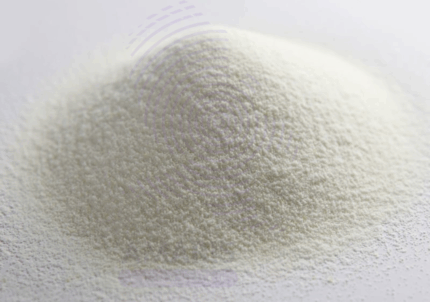
Vitamin D3100,000 IU/GM
Vitamin D3100,000 IU/GM, also known as High-Potency Cholecalciferol, is a concentrated form of Vitamin D3 commonly used in pharmaceutical formulations, fortified food products, animal feed, and dietary supplements. This form delivers 100,000 International Units (IU) of cholecalciferol per gram, ensuring efficient delivery of therapeutic or nutritional doses in small volumes. It is produced under stringent quality standards to ensure stability, potency, and safety.
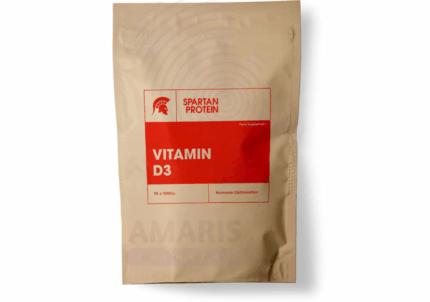
Vitamin D3
Vitamin D3 BP, also known as Cholecalciferol, is a fat-soluble vitamin primarily responsible for regulating calcium and phosphate metabolism in the body. It is synthesized in the skin through sunlight exposure or obtained from dietary sources and supplements. The BP (British Pharmacopoeia) grade ensures pharmaceutical quality and purity. Vitamin D3 is used in a wide range of applications, including human and veterinary medicine, supplements, fortified foods, cosmetics, and animal nutrition.
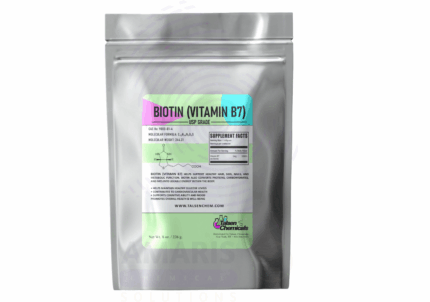
Vitamin B7 (Biotin)
Vitamin B7 Biotin, also known as Biotin, is a water-soluble B-complex vitamin essential for various metabolic processes. It serves as a coenzyme for carboxylase enzymes involved in the metabolism of fatty acids, amino acids, and glucose. Biotin is vital for healthy skin, hair, nails, and nervous system function. It is widely used in the pharmaceutical, nutraceutical, food, cosmetic, and animal nutrition industries.
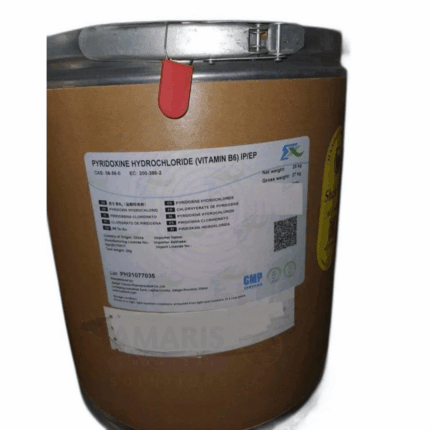
Vitamin B6 (Pyridoxine HCL)
Vitamin B6 Pyridoxine HCL, also known as Pyridoxine Hydrochloride, is a water-soluble form of vitamin B6 used extensively in the pharmaceutical, food, and feed industries. It is essential for protein metabolism, neurotransmitter synthesis, red blood cell formation, and immune function. As a stable and bioavailable form of B6, it is widely incorporated in dietary supplements, fortified foods, clinical nutrition, and animal feed.
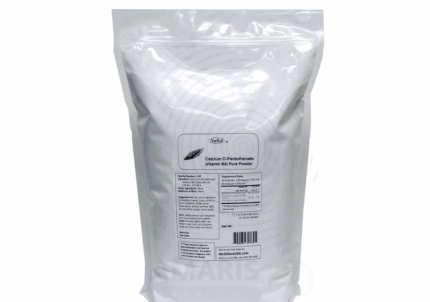
Vitamin B5 (d-pantothenate)
Vitamin B5 d-pantothenate, commonly referred to as D-Pantothenate, is the biologically active, water-soluble form of pantothenic acid. It is an essential nutrient involved in the synthesis of coenzyme A (CoA), critical for fatty acid metabolism and energy production. D-Pantothenate is used across pharmaceuticals, food, feed, cosmetics, and nutraceuticals due to its stability, bioavailability, and broad health benefits.
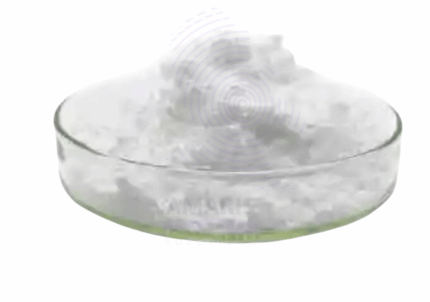
Vitamin B3 (Nicotinamide)
Vitamin B3 Nicotinamide, also known as Niacinamide, is a water-soluble amide form of vitamin B3. It plays a crucial role in cellular energy production and DNA repair by serving as a precursor for coenzymes NAD and NADP. Nicotinamide is preferred in many pharmaceutical and cosmetic applications due to its stability and lower side-effect profile compared to niacin. It is widely used in pharmaceuticals, nutraceuticals, cosmetics, and food fortification.
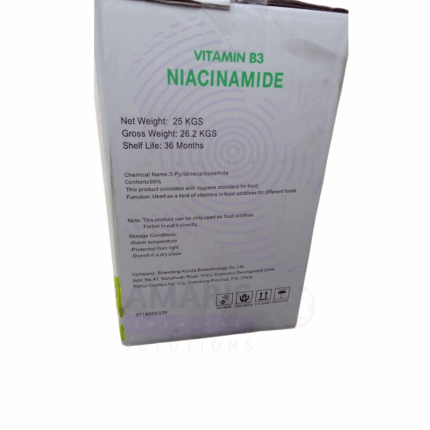
Vitamin B3 (Niacin)
Vitamin B3 Niacin, also known as Niacin or Nicotinic Acid, is a water-soluble vitamin essential for energy metabolism and enzymatic reactions in the body. It plays a key role in the synthesis of coenzymes NAD and NADP, which are critical for cellular respiration and DNA repair. Niacin is widely used in pharmaceuticals, nutraceuticals, food fortification, and animal nutrition to prevent niacin deficiency and support overall health.
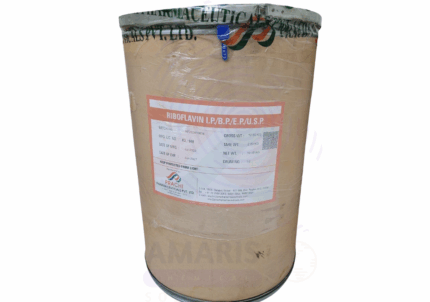
Vitamin B2 (Riboflavin base)
Vitamin B2 Riboflavin base, commonly known as Riboflavin Base, is a water-soluble vitamin essential for energy production, cellular function, and metabolism of fats, drugs, and steroids. It is a vital component of coenzymes flavin mononucleotide (FMN) and flavin adenine dinucleotide (FAD), which participate in numerous biological oxidation-reduction reactions. Riboflavin base is widely used in pharmaceuticals, food fortification, and dietary supplements.

Vitamin B12( Cyanocobalamin)
Vitamin B12 Cyanocobalamin BP is a pharmaceutical-grade form of vitamin B12, standardized according to the British Pharmacopoeia (BP). It is an essential nutrient involved in red blood cell formation, neurological function, and DNA synthesis. This stable, synthetic cyanocobalamin is widely used in pharmaceuticals, nutraceuticals, and fortified foods to prevent and treat vitamin B12 deficiency.
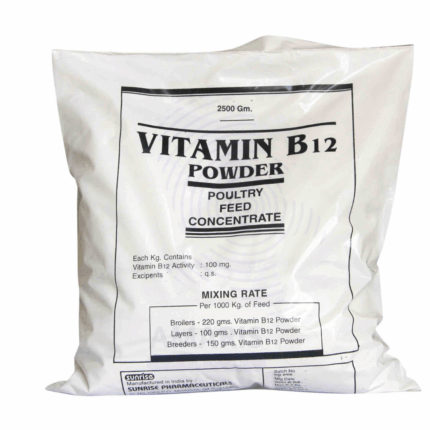
Vitamin B12 USP32
Vitamin B12 USP32 is a pharmaceutical-grade, water-soluble vitamin essential for red blood cell formation, neurological function, and DNA synthesis. This product meets the United States Pharmacopeia (USP) 32 standards, ensuring high purity and quality suitable for pharmaceutical and nutraceutical applications. Vitamin B12 USP32 is commonly supplied as cyanocobalamin or hydroxocobalamin forms, used in injections, tablets, and fortified food products.

Vitamin B1 (Thiamine HCL)
Vitamin B1 Thiamine HCL is a water-soluble, stable salt form of vitamin B1 used widely in pharmaceuticals, nutraceuticals, and food fortification. It plays a critical role in energy metabolism by aiding carbohydrate breakdown and supports nervous system health. The hydrochloride form offers enhanced stability and solubility, making it suitable for oral supplements, injectables, and fortified foods.
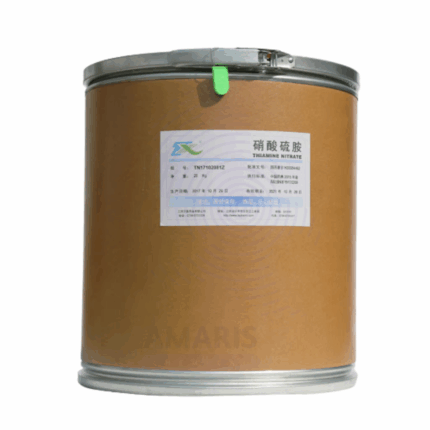
Vitamin B1 (Mono Nitrate BP)
Vitamin B1 Mononitrate BP is a stable, synthetic derivative of vitamin B1 (thiamine) used extensively in pharmaceutical, nutraceutical, and food fortification applications. It serves as an essential nutrient involved in carbohydrate metabolism and nervous system function. The mononitrate form offers enhanced stability and bioavailability compared to pure thiamine, making it ideal for inclusion in tablets, capsules, powders, and fortified food products.

Sulphamethoxazole BP micronised
Sulphamethoxazole BP Micronised is a fine, micronized form of sulphamethoxazole, a synthetic sulfonamide antibiotic used extensively in human and veterinary medicine. Micronization improves its dissolution rate and bioavailability, enhancing efficacy in oral and injectable formulations. This British Pharmacopoeia (BP) grade product ensures high purity and consistent particle size, making it ideal for pharmaceutical manufacturing.
Sulphamethoxazole BP
Sulphamethoxazole BP is a synthetic sulfonamide antibiotic widely used in human and veterinary medicine for treating bacterial infections. It acts by inhibiting bacterial synthesis of dihydrofolic acid, thereby preventing bacterial growth. It is commonly combined with trimethoprim for synergistic effects against a broad spectrum of bacteria. The British Pharmacopoeia (BP) grade guarantees pharmaceutical purity and quality, making it suitable for formulation into tablets, suspensions, and other dosage forms.
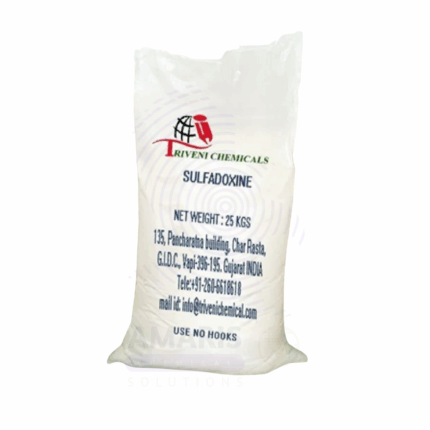
Sulphadoxine
Sulphadoxine BP is a long-acting synthetic sulfonamide antibiotic used primarily in combination therapies for treating malaria and certain bacterial infections. Its prolonged half-life makes it suitable for single-dose treatments and prophylaxis. The British Pharmacopoeia (BP) 98% grade ensures pharmaceutical-grade purity, making it suitable for incorporation into human and veterinary medicinal formulations.
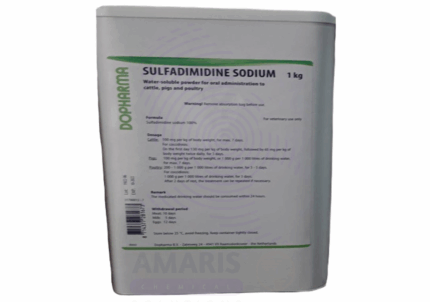
Sulphadimidine Sodium BP
Sulphadimidine Sodium BP is the water-soluble sodium salt of Sulphadimidine, conforming to the British Pharmacopoeia monograph. It is a white or almost white, crystalline powder designed for rapid administration in veterinary medicine, primarily through drinking water or injectable solutions for livestock.
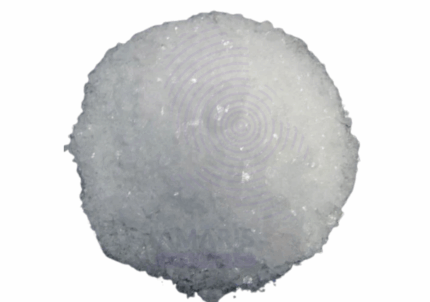
Sulfadiazine Base BP
Sulfadiazine Base BP is a broad-spectrum sulfonamide antibiotic used primarily in veterinary and human medicine to treat bacterial infections. It functions by inhibiting bacterial synthesis of folic acid, thereby preventing bacterial growth and proliferation. The British Pharmacopoeia (BP) grade ensures pharmaceutical-grade purity and quality suitable for formulation into tablets, suspensions, and topical preparations.

Naphazolin hCL USP
Naphazolin hCL USP (Naphazolin HCL) is a topical sympathomimetic agent commonly used as a nasal decongestant and ophthalmic vasoconstrictor. It is a white to off-white crystalline powder soluble in water and alcohol. Naphazolin HCL works by constricting blood vessels, reducing swelling and redness in mucous membranes and eyes. It is widely used in pharmaceutical formulations such as nasal sprays and eye drops.
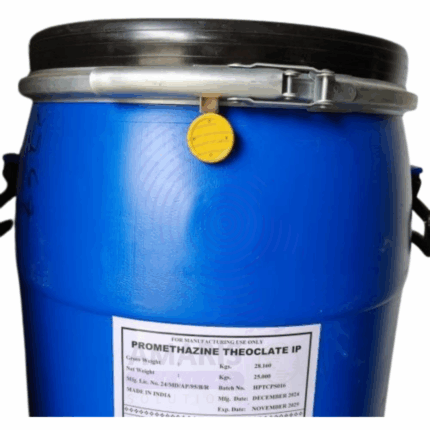
Promethazine
Promethazine is a first-generation antihistamine with potent sedative, antiemetic, and anticholinergic properties. It is commonly used to treat allergic reactions, nausea, vomiting, motion sickness, and as a sedative or sleep aid. Its broad pharmacological effects make it valuable in both acute and chronic medical settings for symptom relief and prevention
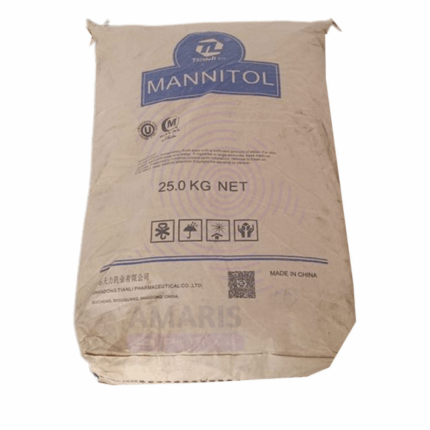
Maninitol BP
Maninitol BP is a white, crystalline, sugar alcohol derived from mannose, widely used in pharmaceutical, food, and cosmetic industries. It functions as a sweetener, humectant, and excipient. Mannitol BP is non-hygroscopic and has low sweetness compared to sucrose, making it ideal for sugar-free formulations. It is commonly employed in tablet manufacturing as a filler and binder, and in medical settings as an osmotic diuretic to reduce intracranial pressure. The British Pharmacopoeia (BP) grade ensures compliance with pharmacopeial standards for purity and quality.
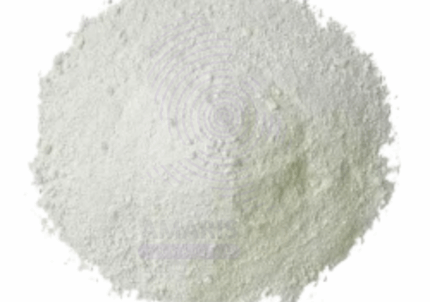
Prednisolone Sodium Phosphate
Prednisolone Sodium Phosphate is a water-soluble ester of prednisolone, a synthetic glucocorticoid steroid with potent anti-inflammatory and immunosuppressive effects. Its enhanced solubility makes it suitable for injectable formulations and rapid systemic action. It is commonly used to treat various inflammatory, allergic, and autoimmune conditions, offering effective modulation of immune responses and inflammation.
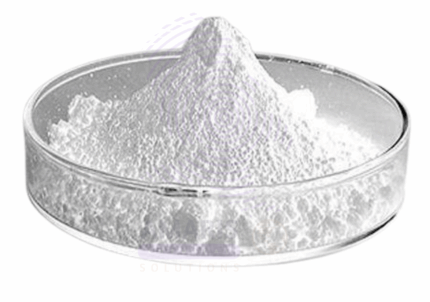
Prednisolone Base
Prednisolone Base is a synthetic glucocorticoid steroid widely used for its potent anti-inflammatory and immunosuppressive properties. It is the active form of prednisolone, commonly administered in various pharmaceutical formulations including tablets, injectables, and topical creams. This compound helps manage conditions involving inflammation, allergic reactions, and immune system disorders by modulating the body’s response to these processes.
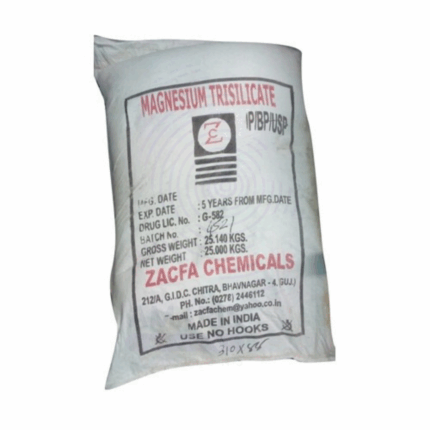
Magnesium Trisilicate BP
Magnesium Trisilicate BP is a fine, white to off-white, odorless powder used primarily as an antacid and adsorbent. It is a hydrated magnesium salt of orthosilicic acid with excellent acid-neutralizing capacity. Classified under the British Pharmacopoeia (BP), it meets pharmaceutical-grade purity standards. Its high surface area and adsorptive properties make it useful in treating gastrointestinal discomfort, as well as in various industrial and food applications. It is insoluble in water and alcohol but reacts slowly with dilute acids.












