

 Preservatives(food)
 Flavor Enhancers
 Acidulants
 Sweeteners
 Antioxidants
 Colorants(food)
 Nutraceutical Ingredients (food)
 Nutrient Supplements
 Emulsifiers
 Collectors
 Dust Suppressants
 Explosives and Blasting Agents
 Flocculants and Coagulants
 Frothers
 Leaching Agents
 pH Modifiers
 Precious Metal Extraction Agents
 Antioxidants(plastic)
 Colorants (Pigments, Dyes)
 Fillers and Reinforcements
 Flame Retardants
 Monomers
 Plasticizers
 Polymerization Initiators
 Stabilizers (UV, Heat)
 Antifoaming Agents
 Chelating Agents
 Coagulants and Flocculants
 Corrosion Inhibitors
 Disinfectants and Biocides
 Oxidizing Agents
 pH Adjusters
 Scale Inhibitors( water)
 Antioxidants(cosmetic)
 Emollients
 Fragrances and Essential Oils
 Humectants
 Preservatives
 Surfactants(cosmetic)
 Thickeners
 UV Filters
 Fertilizers
 Soil Conditioners
 Plant Growth Regulators
 Animal Feed Additives
 Biostimulants
 Pesticides (Herbicides, Insecticides, Fungicides)
 Active Pharmaceutical Ingredients (APIs)
 Excipients
 Solvents(pharmaceutical)
 Antibiotics
 Antiseptics and Disinfectants
 Vaccine Adjuvants
 Nutraceutical Ingredients (pharmaceutical)
 Analgesics & Antipyretics
 Analytical Reagents
 Solvents(lab)
 Chromatography Chemicals
 Spectroscopy Reagents
 microbiology-and-cell-culture-reagents
 Molecular Biology Reagents
 Biochemical Reagents
 Inorganic and Organic Standards
 Laboratory Safety Chemicals
 Specialty Laboratory Chemicals(Special Laboratory Equipment)
 Demulsifiers
 Hydraulic Fracturing Fluids
 Scale Inhibitors(oil)
 Surfactants(oil)
 Drilling Fluids
 Dyes and Pigments
 Bleaching Agents
 Softening Agents
 Finishing Agents
 Antistatic Agents
 Admixtures
 Waterproofing Agents
 Sealants and Adhesives
 Curing Compounds
 Concrete Repair Chemicals
 Anti-Corrosion Coatings
 Surfactants(cleaning)
 Builders
 Enzymes
 Solvents (Cleaning)
 Fragrances
 Electronic Chemicals
 Catalysts
 Lubricants
 Photographic Chemicals
 Refrigerants
 Automotive chemicals
 Pyrotechnic Chemicals
 Biodegradable Surfactants
 Bio-based Solvents
 Renewable Polymers
 Carbon Capture Chemicals
 Wastewater Treatment Chemicals
 Pigments
 Solvents(paint)
 Specialty Coatings
 Binders/Resins
 Additives
 Driers
 Anti-Corrosion Agents
 Functional Coatings
 Application-Specific Coatings
 Leavening Agents
 Dough Conditioners
 Flour Treatments
 Fat Replacers
 Decoratives
 Preservatives(baking)
 Plasticizers & Softeners
 Reinforcing Agents
 Adhesion Promoters
 Vulcanizing Agents
 Antidegradants
 Blowing Agents
 Fillers & Extenders
 Accelerators & Retarders

















Cellulose Acetate Phthalate (CAP)
Cellulose Acetate Phthalate (CAP) is a cellulose derivative obtained by esterification of cellulose with acetic acid and phthalic anhydride. It appears as a white to off-white, free-flowing powder that is insoluble in water but soluble in alkaline solutions and certain organic solvents. CAP is primarily used as an enteric coating agent in pharmaceutical formulations, providing resistance to acidic gastric fluids and enabling targeted release of drugs in the intestines. Due to its film-forming, pH-sensitive solubility, and protective properties, CAP is also applied in food, cosmetics, and specialty industrial uses.
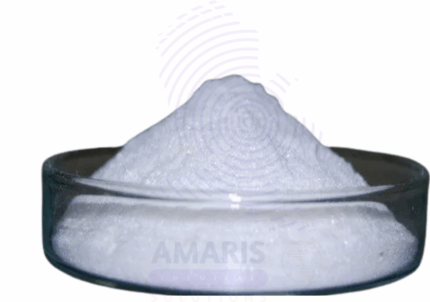
Cetirizine Hydrochloride
Cetirizine Hydrochloride is a widely used second-generation antihistamine effective for treating allergic conditions such as allergic rhinitis, chronic urticaria, and other allergy symptoms. It is the hydrochloride salt form of cetirizine, existing as a white to off-white crystalline powder with a slightly bitter taste. Cetirizine HCl acts by selectively blocking peripheral H1 histamine receptors, thereby reducing allergic symptoms without significant sedation or central nervous system depression. It is commonly formulated into tablets, syrups, and capsules as an active pharmaceutical ingredient.
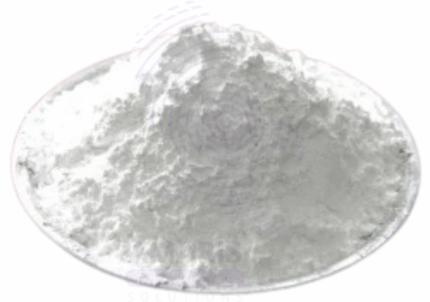
Chlorpheniramine Maleate
Chlorpheniramine Maleate is a first-generation alkylamine antihistamine used primarily to relieve allergy symptoms by blocking H1 histamine receptors. It appears as a white or off-white crystalline powder, freely soluble in water and alcohol. Known for rapid onset and moderate duration of action, it’s widely formulated in pharmaceuticals. It also exhibits mild anticholinergic and sedative effects.
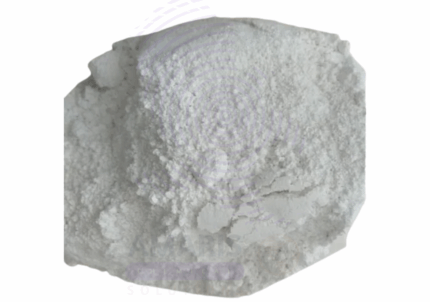
Mebendazole USP ( Micronized white)
Mebendazole USP (Micronized White) is a pharmaceutical-grade anthelmintic agent used for the treatment of parasitic worm infections. The micronized white powder form offers enhanced bioavailability and better dispersion in pharmaceutical formulations. It is effective against a broad spectrum of intestinal parasites including roundworms, whipworms, hookworms, and pinworms. Mebendazole is commonly used in oral tablet and suspension preparations, ensuring efficient parasite eradication with minimal side effects.
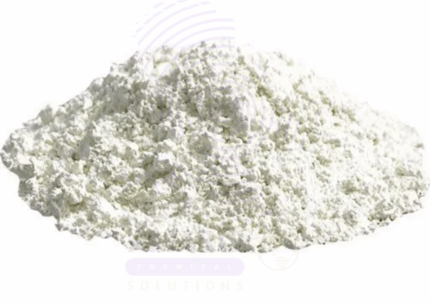
Mepyramine Maleate BP
Mepyramine Maleate BP is an antihistamine drug commonly used to relieve allergic symptoms such as hay fever, urticaria, and other allergic reactions. It works by blocking histamine H1 receptors, reducing allergic responses like itching, swelling, and redness. This compound is a white or off-white crystalline powder, soluble in water and alcohol, widely used in pharmaceutical formulations including tablets, creams, and injectables.
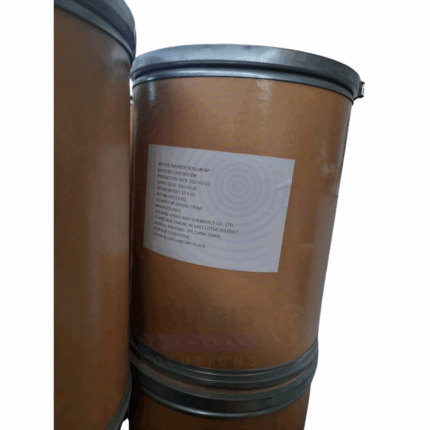
Methlyl Paraben Sodium BP
Methlyl Paraben Sodium BP is the sodium salt form of methyl paraben, a widely used preservative in pharmaceuticals, cosmetics, and food products. It exhibits excellent antimicrobial properties, particularly against molds, yeasts, and some bacteria, extending the shelf life and safety of formulations. It is a white to off-white crystalline powder, highly soluble in water, and stable across a range of pH levels.
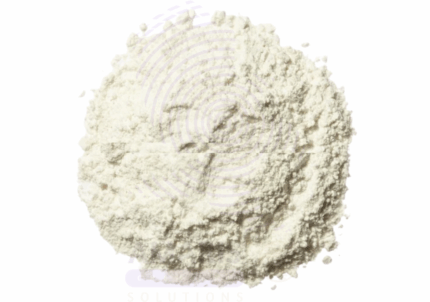
Neomycin Sulphate BP Oral
Neomycin Sulphate BP Oral is an aminoglycoside antibiotic derived from Streptomyces fradiae. It is used primarily for treating infections caused by susceptible aerobic gram-negative and some gram-positive bacteria. The oral form is especially utilized for intestinal antisepsis, to reduce bacterial flora before gastrointestinal surgery, or to treat hepatic encephalopathy by decreasing ammonia-producing bacteria in the gut. It is available in powder or tablet form conforming to British Pharmacopoeia (BP) standards, ensuring high purity and efficacy.
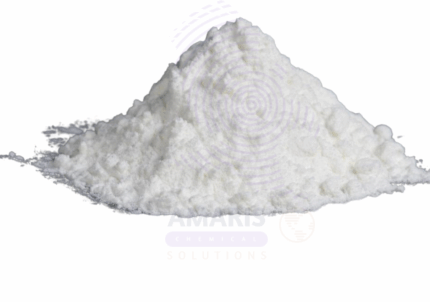
Piperazine Citrate BP
Piperazine Citrate BP is a pharmaceutical-grade anthelmintic compound used primarily for the treatment of intestinal worm infections, especially ascariasis (roundworms) and enterobiasis (pinworms). It works by paralyzing the worms, allowing them to be expelled naturally from the body through bowel movements. Piperazine Citrate is included in the British Pharmacopoeia (BP) and is known for its safety, efficacy, and wide use in both human and veterinary medicine.

Methyl Salicylate BP
Methyl Salicylate BP is a clear, colorless to pale yellow oily liquid with a characteristic strong, sweet, and minty odor. It is an organic ester commonly used for its analgesic, anti-inflammatory, and flavoring properties. Methyl Salicylate is widely used in pharmaceutical preparations, topical pain relief products, cosmetics, and as a fragrance ingredient.
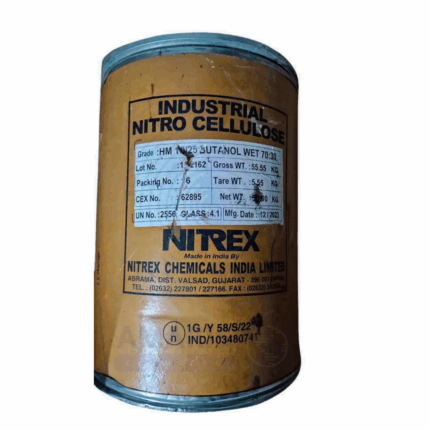
Nitro Cellulose
Nitro Cellulose is a highly flammable compound produced by nitrating cellulose through exposure to nitric acid and sulfuric acid. It is a versatile material widely used in coatings, lacquers, explosives, and propellants due to its film-forming properties and rapid drying capability. Nitro Cellulose is available in various grades depending on the nitrogen content and viscosity, making it suitable for industrial, commercial, and military applications.
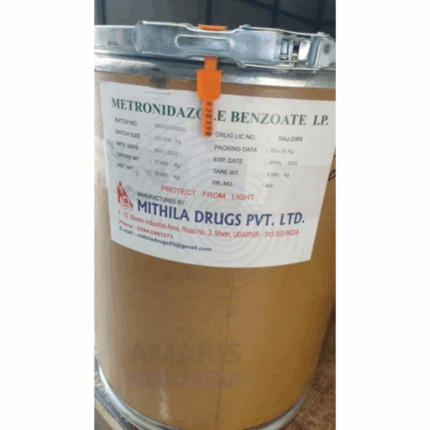
Metronidazole Benzoate BP
Metronidazole Benzoate BP is a benzoate ester derivative of metronidazole, used primarily as an antiprotozoal and antibacterial agent. It is a prodrug that hydrolyzes in the body to release metronidazole, making it more palatable for pediatric and geriatric oral suspensions. It complies with the British Pharmacopoeia (BP) standards for purity and efficacy.
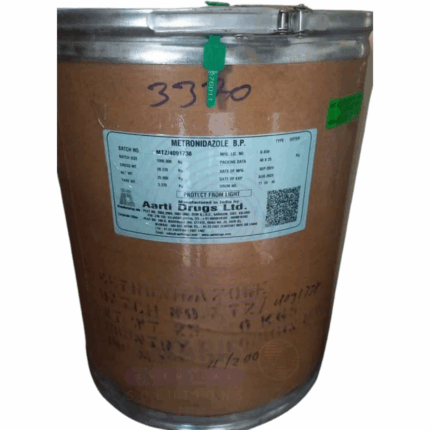
Metronidazole BP
Metronidazole BP is a benzoate ester derivative of metronidazole, used primarily as an antiprotozoal and antibacterial agent. It is a prodrug that hydrolyzes in the body to release metronidazole, making it more palatable for pediatric and geriatric oral suspensions. It complies with the British Pharmacopoeia (BP) standards for purity and efficacy.
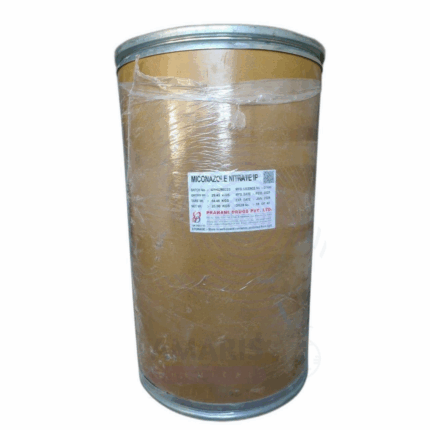
Miconazole Nitrate BP
Miconazole Nitrate BP is a high-purity, pharmaceutical-grade antifungal agent conforming to British Pharmacopoeia (BP) specifications. It is widely used in the formulation of topical and oral pharmaceutical products for the treatment of fungal infections caused by dermatophytes and yeasts, including Candida species. Miconazole Nitrate functions by inhibiting the biosynthesis of ergosterol, a vital component of fungal cell membranes, leading to cell death.
This white to off-white crystalline powder is highly effective and exhibits broad-spectrum antifungal and some antibacterial activity. It is commonly utilized in creams, ointments, powders, and gel formulations.
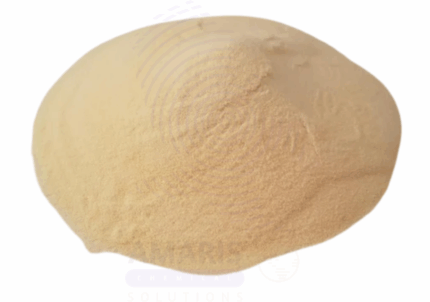
Norfloxacin
Norfloxacin is a synthetic broad-spectrum fluoroquinolone antibiotic used primarily to treat bacterial infections. It works by inhibiting bacterial DNA gyrase and topoisomerase IV, enzymes essential for DNA replication, transcription, repair, and recombination, leading to bacterial cell death. Norfloxacin is effective against various Gram-negative and some Gram-positive bacteria and is commonly used in urinary tract infections, prostatitis, and gastroenteritis.
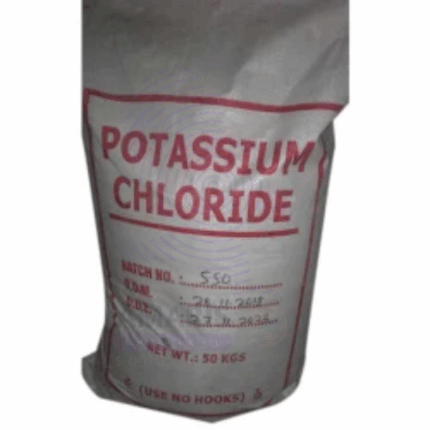
Potassium Chloride BP
Potassium Chloride BP (British Pharmacopoeia grade) is a high-purity, pharmaceutical-grade potassium salt widely used in medical, agricultural, and industrial applications. It is a white crystalline solid that is highly soluble in water and serves as an essential source of potassium ions in various biochemical and physiological processes. The BP grade ensures strict compliance with purity and quality standards, making it suitable for pharmaceutical formulations and clinical use.

Potassium Metabisulphite Food Grade
Potassium Metabisulphite Food Grade is a white crystalline powder with strong antioxidant and preservative properties. It is widely used in the food and beverage industry as a disinfectant, antioxidant, and preservative to prevent spoilage and microbial growth. It also acts as a bleaching agent and sulfur dioxide (SO₂) source. This compound is critical in winemaking, brewing, and food processing to maintain product quality and extend shelf life.
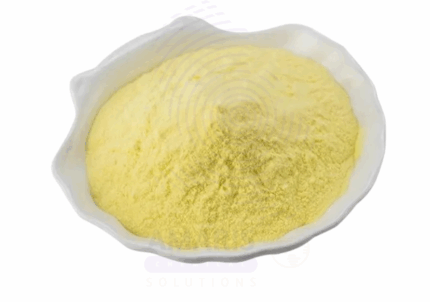
Nystatin EP5
Nystatin EP5 is a polyene antifungal antibiotic used to treat fungal infections caused primarily by Candida species. It acts by binding to ergosterol in fungal cell membranes, creating pores that lead to cell leakage and death. Nystatin EP5 is widely used in pharmaceutical formulations for topical, oral, and mucosal candidiasis treatment. It is non-absorbable from the gastrointestinal tract, making it effective for treating infections in the mouth, throat, and intestines.
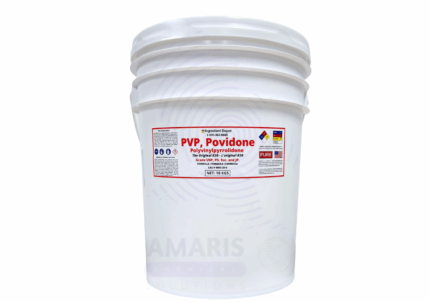
Povidone PVP25 USP
Povidone PVP25 USP is a synthetic polymer of vinylpyrrolidone with an average molecular weight of approximately 25,000. It is a water-soluble, non-toxic, and biodegradable polymer widely used as a binder, film former, stabilizer, and solubilizing agent in pharmaceutical, cosmetic, and industrial applications. Its excellent adhesive properties and compatibility with a wide range of substances make it essential in tablet formulations, topical products, and adhesives.

Oxyclozanide Vet BP
Oxyclozanide Vet BP is a veterinary anthelmintic effective mainly against liver fluke (Fasciola hepatica) and some intestinal flukes in ruminants such as cattle, sheep, and goats. It works by interfering with the parasite’s energy metabolism, leading to parasite death and improving animal health and productivity.
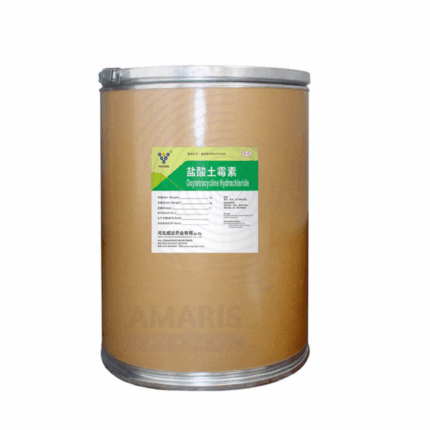
Oxytetracycline HCL BP
Oxytetracycline HCL BP is a broad-spectrum tetracycline antibiotic used in human and veterinary medicine. It inhibits bacterial protein synthesis by binding to the 30S ribosomal subunit, thus preventing the growth and multiplication of susceptible bacteria. Oxytetracycline HCL is effective against a wide range of Gram-positive and Gram-negative bacteria, as well as some protozoa. It is commonly employed to treat respiratory, urinary, and skin infections, and is also used extensively in veterinary applications to control infectious diseases in livestock and poultry.
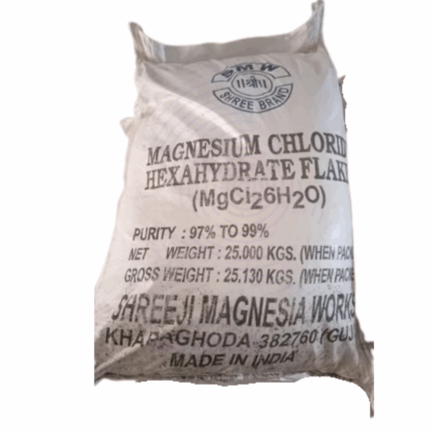
Magnesium Chloride Hexahydrate BP
Magnesium Chloride Hexahydrate BP is a pharmacopeial grade white crystalline solid with the chemical formula MgCl₂·6H₂O. It is highly soluble in water and is used extensively in pharmaceutical, medical, and industrial applications. This grade meets British Pharmacopoeia (BP) standards ensuring high purity and suitability for medical and food-related uses. Magnesium Chloride Hexahydrate BP provides essential magnesium ions which play a critical role in numerous physiological functions.
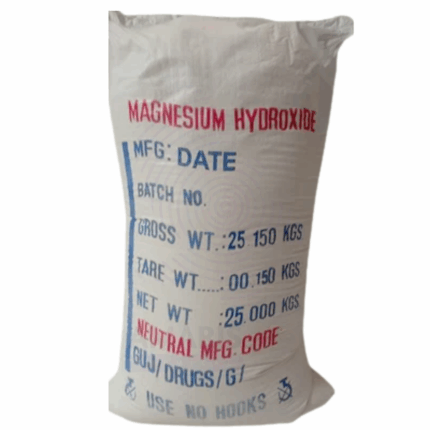
Magnesium Hydroxide BP
Magnesium Hydroxide BP is a white, odorless, fine powder or suspension with the chemical formula Mg(OH)₂. It is a pharmacopeial grade material meeting British Pharmacopoeia standards, widely used for its antacid, laxative, and neutralizing properties. Magnesium Hydroxide BP is sparingly soluble in water, releasing hydroxide ions that neutralize acids and increase pH. It finds broad applications in pharmaceuticals, water treatment, environmental management, and industrial processes.
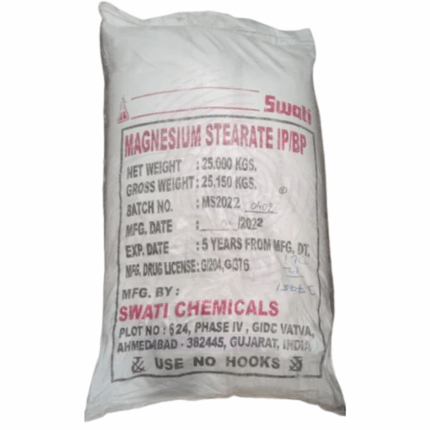
Magnesium Stearate BP
Magnesium Stearate BP is a fine, white, hydrophobic powder composed of the magnesium salt of stearic acid. It is widely used in the pharmaceutical industry as a lubricant and anti-adherent in tablet and capsule manufacturing. Due to its excellent flow-enhancing properties, Magnesium Stearate BP improves powder flowability and prevents ingredients from sticking to equipment during processing. It is also used in cosmetics, food, and various industrial applications for its emulsifying and stabilizing properties.
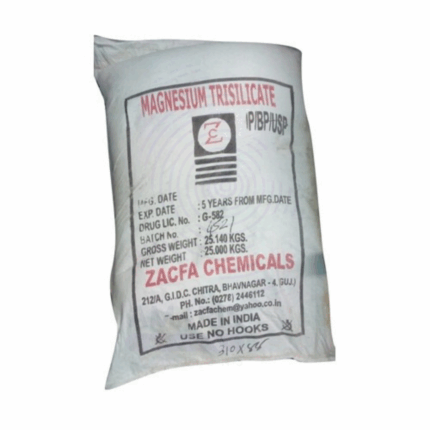
Magnesium Trisilicate BP
Magnesium Trisilicate BP is a fine, white to off-white, odorless powder used primarily as an antacid and adsorbent. It is a hydrated magnesium salt of orthosilicic acid with excellent acid-neutralizing capacity. Classified under the British Pharmacopoeia (BP), it meets pharmaceutical-grade purity standards. Its high surface area and adsorptive properties make it useful in treating gastrointestinal discomfort, as well as in various industrial and food applications. It is insoluble in water and alcohol but reacts slowly with dilute acids.
Prednisolone Base
Prednisolone Base is a synthetic glucocorticoid steroid widely used for its potent anti-inflammatory and immunosuppressive properties. It is the active form of prednisolone, commonly administered in various pharmaceutical formulations including tablets, injectables, and topical creams. This compound helps manage conditions involving inflammation, allergic reactions, and immune system disorders by modulating the body’s response to these processes.
Prednisolone Sodium Phosphate
Prednisolone Sodium Phosphate is a water-soluble ester of prednisolone, a synthetic glucocorticoid steroid with potent anti-inflammatory and immunosuppressive effects. Its enhanced solubility makes it suitable for injectable formulations and rapid systemic action. It is commonly used to treat various inflammatory, allergic, and autoimmune conditions, offering effective modulation of immune responses and inflammation.
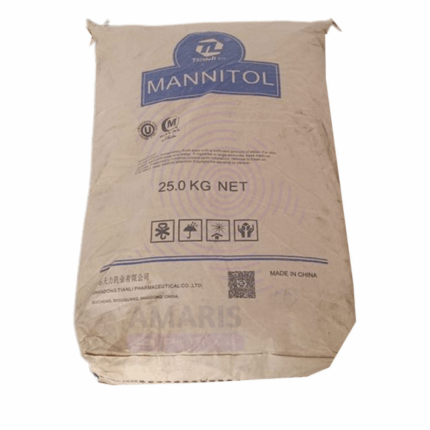
Maninitol BP
Maninitol BP is a white, crystalline, sugar alcohol derived from mannose, widely used in pharmaceutical, food, and cosmetic industries. It functions as a sweetener, humectant, and excipient. Mannitol BP is non-hygroscopic and has low sweetness compared to sucrose, making it ideal for sugar-free formulations. It is commonly employed in tablet manufacturing as a filler and binder, and in medical settings as an osmotic diuretic to reduce intracranial pressure. The British Pharmacopoeia (BP) grade ensures compliance with pharmacopeial standards for purity and quality.
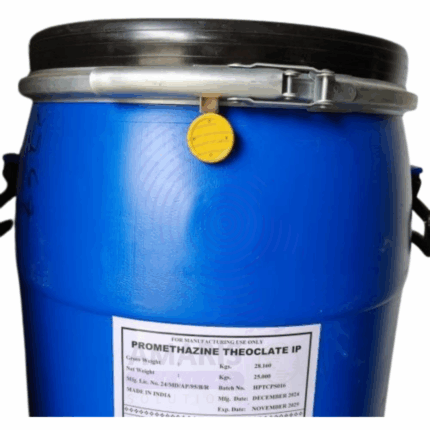
Promethazine
Promethazine is a first-generation antihistamine with potent sedative, antiemetic, and anticholinergic properties. It is commonly used to treat allergic reactions, nausea, vomiting, motion sickness, and as a sedative or sleep aid. Its broad pharmacological effects make it valuable in both acute and chronic medical settings for symptom relief and prevention
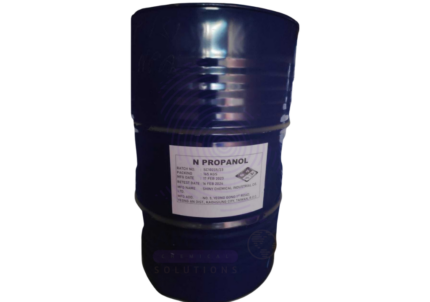
N-Propanol
N-Propanol, also known as n-Propyl Alcohol or 1-Propanol, is a clear, colorless, low-viscosity liquid with a characteristic mild alcohol-like odor. It is a primary alcohol with the molecular formula C₃H₈O, fully miscible with water and common organic solvents such as alcohols, ketones, ethers, glycols, and hydrocarbons. This high-purity, semi-volatile, polar solvent serves as both a versatile solvent and a chemical intermediate across multiple industrial sectors. N-Propanol has a flash point of 15–23°C and is classified as a highly flammable liquid. Technical grade N-Propanol is manufactured for industrial applications and is not intended for direct human consumption unless specifically certified as USP or Food Grade.

Naphazolin hCL USP
Naphazolin hCL USP (Naphazolin HCL) is a topical sympathomimetic agent commonly used as a nasal decongestant and ophthalmic vasoconstrictor. It is a white to off-white crystalline powder soluble in water and alcohol. Naphazolin HCL works by constricting blood vessels, reducing swelling and redness in mucous membranes and eyes. It is widely used in pharmaceutical formulations such as nasal sprays and eye drops.
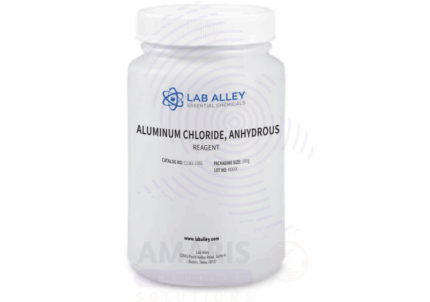
Anhydrous Aluminum Chloride Extra Pure
Anhydrous Aluminum Chloride Extra Pure is a high-purity, white to pale yellow crystalline compound widely used in laboratory chemistry as a powerful Lewis acid catalyst. It plays a key role in organic synthesis, particularly in Friedel–Crafts alkylation and acylation reactions, and is essential in the study of electrophilic aromatic substitution mechanisms. Due to its extreme moisture sensitivity, it hydrolyzes rapidly upon exposure to air, releasing hydrogen chloride gas, and must be handled under strictly dry conditions. The extra pure grade ensures low levels of impurities, making it suitable for high-precision research and moisture-sensitive experimental work. It should be stored in airtight, moisture-free containers in a cool, dry environment, preferably under an inert atmosphere.
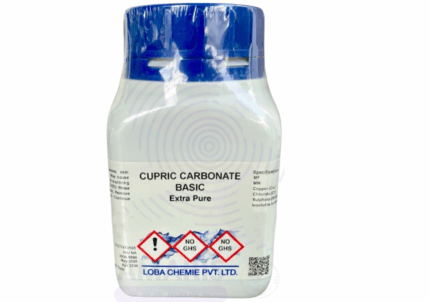
Cupric Carbonate Extra Pure
Cupric Carbonate Extra Pure is a fine, green, high-purity compound used in laboratories for inorganic synthesis, analytical chemistry, and educational demonstrations. It serves as a reliable source of copper ions in reactions and decomposes upon heating to form copper oxide, making it useful for studying thermal decomposition. In qualitative analysis, it is employed to observe characteristic reactions of copper salts. Its extra pure grade ensures minimal interference from impurities, supporting accurate experimental outcomes. Cupric carbonate should be handled in a dry environment and stored in tightly sealed containers to prevent degradation and maintain stability.
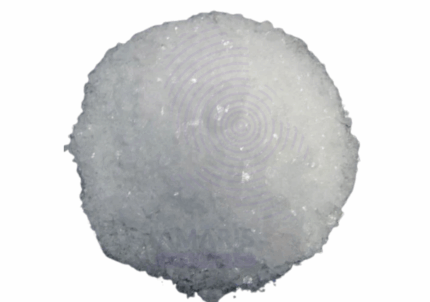
Sulfadiazine Base BP
Sulfadiazine Base BP is a broad-spectrum sulfonamide antibiotic used primarily in veterinary and human medicine to treat bacterial infections. It functions by inhibiting bacterial synthesis of folic acid, thereby preventing bacterial growth and proliferation. The British Pharmacopoeia (BP) grade ensures pharmaceutical-grade purity and quality suitable for formulation into tablets, suspensions, and topical preparations.
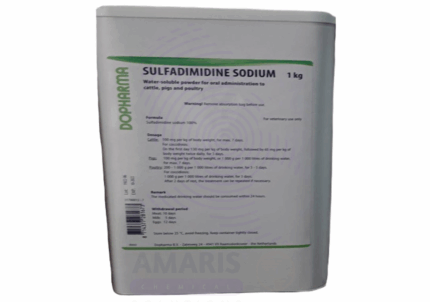
Sulphadimidine Sodium BP
Sulphadimidine Sodium BP is the water-soluble sodium salt of Sulphadimidine, conforming to the British Pharmacopoeia monograph. It is a white or almost white, crystalline powder designed for rapid administration in veterinary medicine, primarily through drinking water or injectable solutions for livestock.
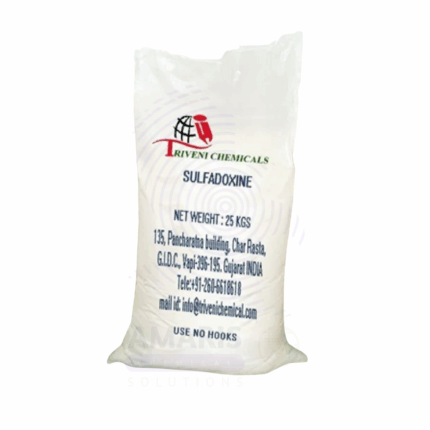
Sulphadoxine
Sulphadoxine BP is a long-acting synthetic sulfonamide antibiotic used primarily in combination therapies for treating malaria and certain bacterial infections. Its prolonged half-life makes it suitable for single-dose treatments and prophylaxis. The British Pharmacopoeia (BP) 98% grade ensures pharmaceutical-grade purity, making it suitable for incorporation into human and veterinary medicinal formulations.
Sulphamethoxazole BP
Sulphamethoxazole BP is a synthetic sulfonamide antibiotic widely used in human and veterinary medicine for treating bacterial infections. It acts by inhibiting bacterial synthesis of dihydrofolic acid, thereby preventing bacterial growth. It is commonly combined with trimethoprim for synergistic effects against a broad spectrum of bacteria. The British Pharmacopoeia (BP) grade guarantees pharmaceutical purity and quality, making it suitable for formulation into tablets, suspensions, and other dosage forms.

Sulphamethoxazole BP micronised
Sulphamethoxazole BP Micronised is a fine, micronized form of sulphamethoxazole, a synthetic sulfonamide antibiotic used extensively in human and veterinary medicine. Micronization improves its dissolution rate and bioavailability, enhancing efficacy in oral and injectable formulations. This British Pharmacopoeia (BP) grade product ensures high purity and consistent particle size, making it ideal for pharmaceutical manufacturing.
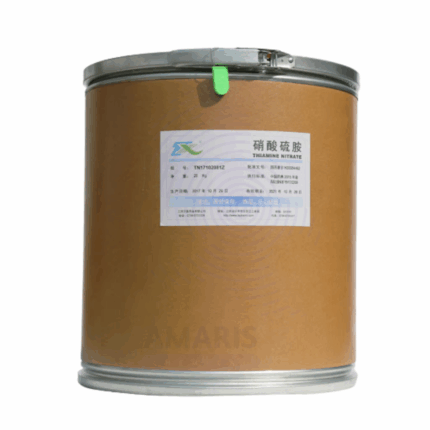
Vitamin B1 (Mono Nitrate BP)
Vitamin B1 Mononitrate BP is a stable, synthetic derivative of vitamin B1 (thiamine) used extensively in pharmaceutical, nutraceutical, and food fortification applications. It serves as an essential nutrient involved in carbohydrate metabolism and nervous system function. The mononitrate form offers enhanced stability and bioavailability compared to pure thiamine, making it ideal for inclusion in tablets, capsules, powders, and fortified food products.

Vitamin B1 (Thiamine HCL)
Vitamin B1 Thiamine HCL is a water-soluble, stable salt form of vitamin B1 used widely in pharmaceuticals, nutraceuticals, and food fortification. It plays a critical role in energy metabolism by aiding carbohydrate breakdown and supports nervous system health. The hydrochloride form offers enhanced stability and solubility, making it suitable for oral supplements, injectables, and fortified foods.
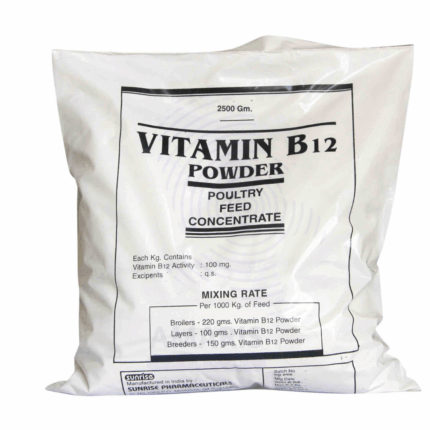
Vitamin B12 USP32
Vitamin B12 USP32 is a pharmaceutical-grade, water-soluble vitamin essential for red blood cell formation, neurological function, and DNA synthesis. This product meets the United States Pharmacopeia (USP) 32 standards, ensuring high purity and quality suitable for pharmaceutical and nutraceutical applications. Vitamin B12 USP32 is commonly supplied as cyanocobalamin or hydroxocobalamin forms, used in injections, tablets, and fortified food products.

Vitamin B12( Cyanocobalamin)
Vitamin B12 Cyanocobalamin BP is a pharmaceutical-grade form of vitamin B12, standardized according to the British Pharmacopoeia (BP). It is an essential nutrient involved in red blood cell formation, neurological function, and DNA synthesis. This stable, synthetic cyanocobalamin is widely used in pharmaceuticals, nutraceuticals, and fortified foods to prevent and treat vitamin B12 deficiency.
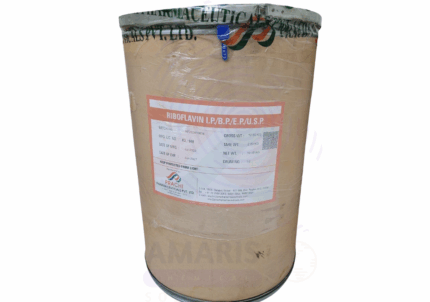
Vitamin B2 (Riboflavin base)
Vitamin B2 Riboflavin base, commonly known as Riboflavin Base, is a water-soluble vitamin essential for energy production, cellular function, and metabolism of fats, drugs, and steroids. It is a vital component of coenzymes flavin mononucleotide (FMN) and flavin adenine dinucleotide (FAD), which participate in numerous biological oxidation-reduction reactions. Riboflavin base is widely used in pharmaceuticals, food fortification, and dietary supplements.
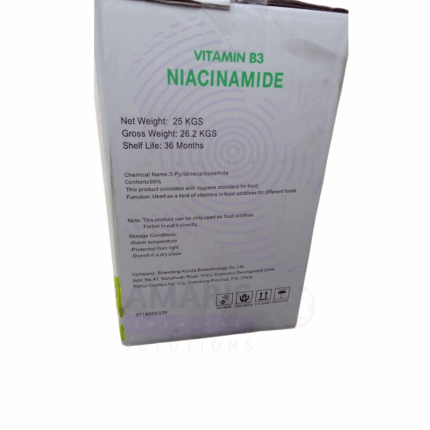
Vitamin B3 (Niacin)
Vitamin B3 Niacin, also known as Niacin or Nicotinic Acid, is a water-soluble vitamin essential for energy metabolism and enzymatic reactions in the body. It plays a key role in the synthesis of coenzymes NAD and NADP, which are critical for cellular respiration and DNA repair. Niacin is widely used in pharmaceuticals, nutraceuticals, food fortification, and animal nutrition to prevent niacin deficiency and support overall health.
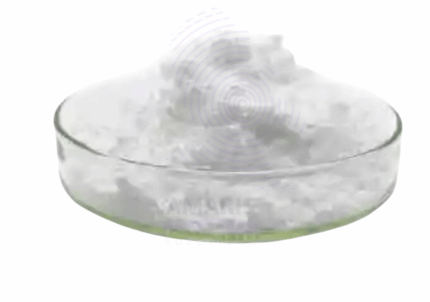
Vitamin B3 (Nicotinamide)
Vitamin B3 Nicotinamide, also known as Niacinamide, is a water-soluble amide form of vitamin B3. It plays a crucial role in cellular energy production and DNA repair by serving as a precursor for coenzymes NAD and NADP. Nicotinamide is preferred in many pharmaceutical and cosmetic applications due to its stability and lower side-effect profile compared to niacin. It is widely used in pharmaceuticals, nutraceuticals, cosmetics, and food fortification.
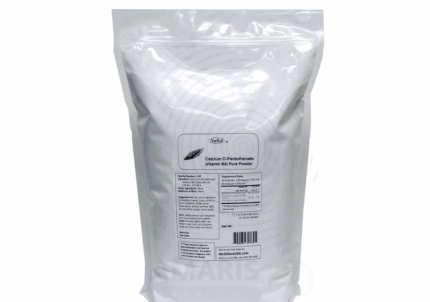
Vitamin B5 (d-pantothenate)
Vitamin B5 d-pantothenate, commonly referred to as D-Pantothenate, is the biologically active, water-soluble form of pantothenic acid. It is an essential nutrient involved in the synthesis of coenzyme A (CoA), critical for fatty acid metabolism and energy production. D-Pantothenate is used across pharmaceuticals, food, feed, cosmetics, and nutraceuticals due to its stability, bioavailability, and broad health benefits.
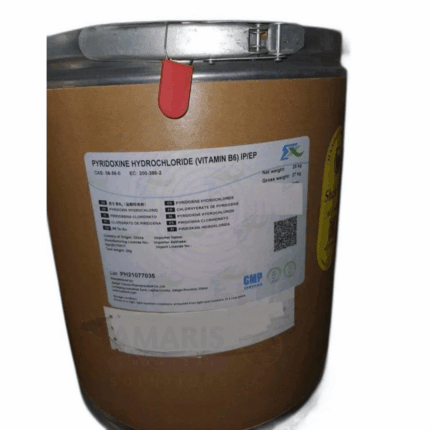
Vitamin B6 (Pyridoxine HCL)
Vitamin B6 Pyridoxine HCL, also known as Pyridoxine Hydrochloride, is a water-soluble form of vitamin B6 used extensively in the pharmaceutical, food, and feed industries. It is essential for protein metabolism, neurotransmitter synthesis, red blood cell formation, and immune function. As a stable and bioavailable form of B6, it is widely incorporated in dietary supplements, fortified foods, clinical nutrition, and animal feed.
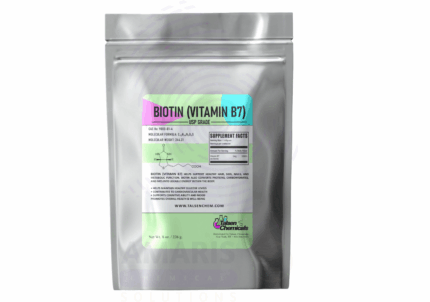
Vitamin B7 (Biotin)
Vitamin B7 Biotin, also known as Biotin, is a water-soluble B-complex vitamin essential for various metabolic processes. It serves as a coenzyme for carboxylase enzymes involved in the metabolism of fatty acids, amino acids, and glucose. Biotin is vital for healthy skin, hair, nails, and nervous system function. It is widely used in the pharmaceutical, nutraceutical, food, cosmetic, and animal nutrition industries.
Vitamin D3
Vitamin D3 BP, also known as Cholecalciferol, is a fat-soluble vitamin primarily responsible for regulating calcium and phosphate metabolism in the body. It is synthesized in the skin through sunlight exposure or obtained from dietary sources and supplements. The BP (British Pharmacopoeia) grade ensures pharmaceutical quality and purity. Vitamin D3 is used in a wide range of applications, including human and veterinary medicine, supplements, fortified foods, cosmetics, and animal nutrition.
Vitamin D3100,000 IU/GM
Vitamin D3100,000 IU/GM, also known as High-Potency Cholecalciferol, is a concentrated form of Vitamin D3 commonly used in pharmaceutical formulations, fortified food products, animal feed, and dietary supplements. This form delivers 100,000 International Units (IU) of cholecalciferol per gram, ensuring efficient delivery of therapeutic or nutritional doses in small volumes. It is produced under stringent quality standards to ensure stability, potency, and safety.
Vitamin K3
Vitamin K3, chemically known as Menadione, is a synthetic, fat-soluble vitamin used primarily in animal nutrition and some pharmaceutical applications. Unlike Vitamins K1 and K2, Vitamin K3 does not occur naturally but is a stable precursor that the body (or animal body) can convert into active forms of Vitamin K. It plays a critical role in blood clotting, bone metabolism, and cellular health. Vitamin K3 is usually available as Menadione Sodium Bisulfite (MSB) or Menadione Nicotinamide Bisulfite (MNB) for enhanced solubility and stability.












